
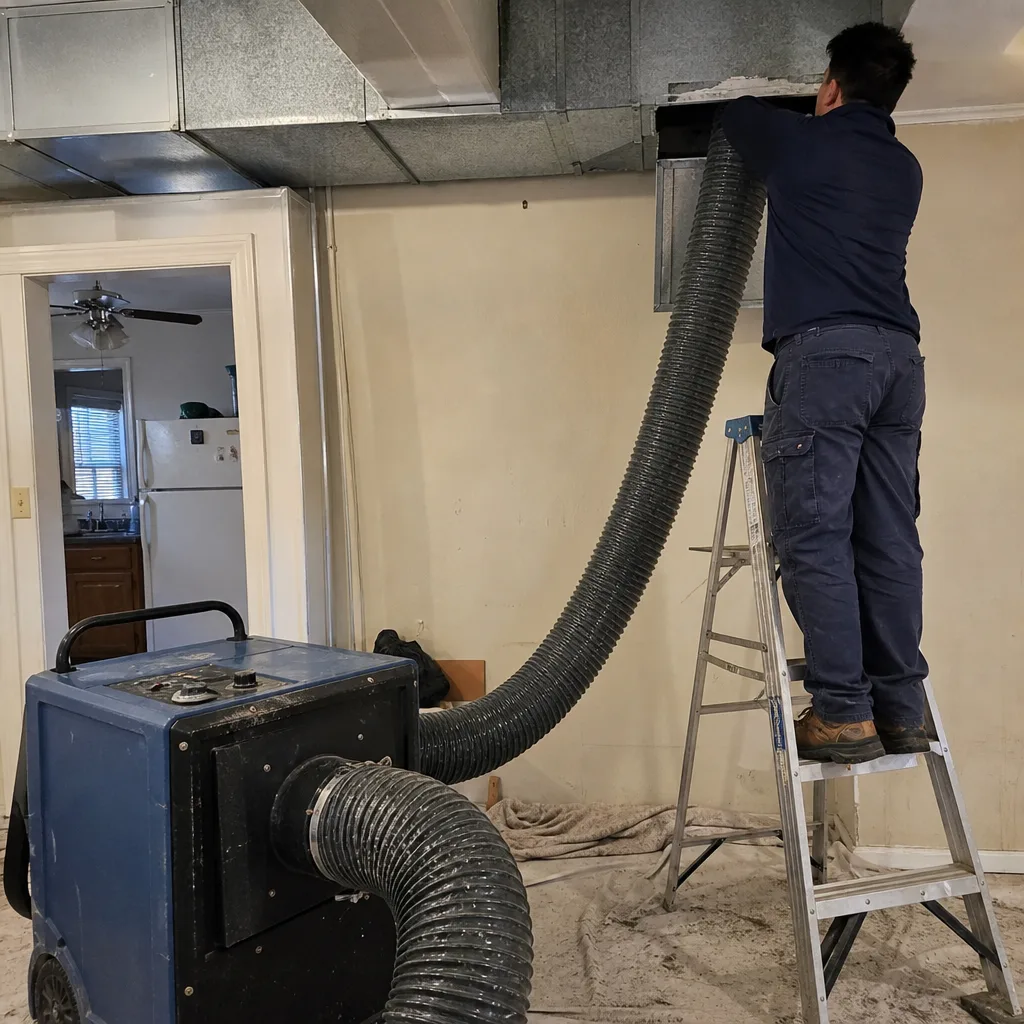
Last updated November 16, 2026
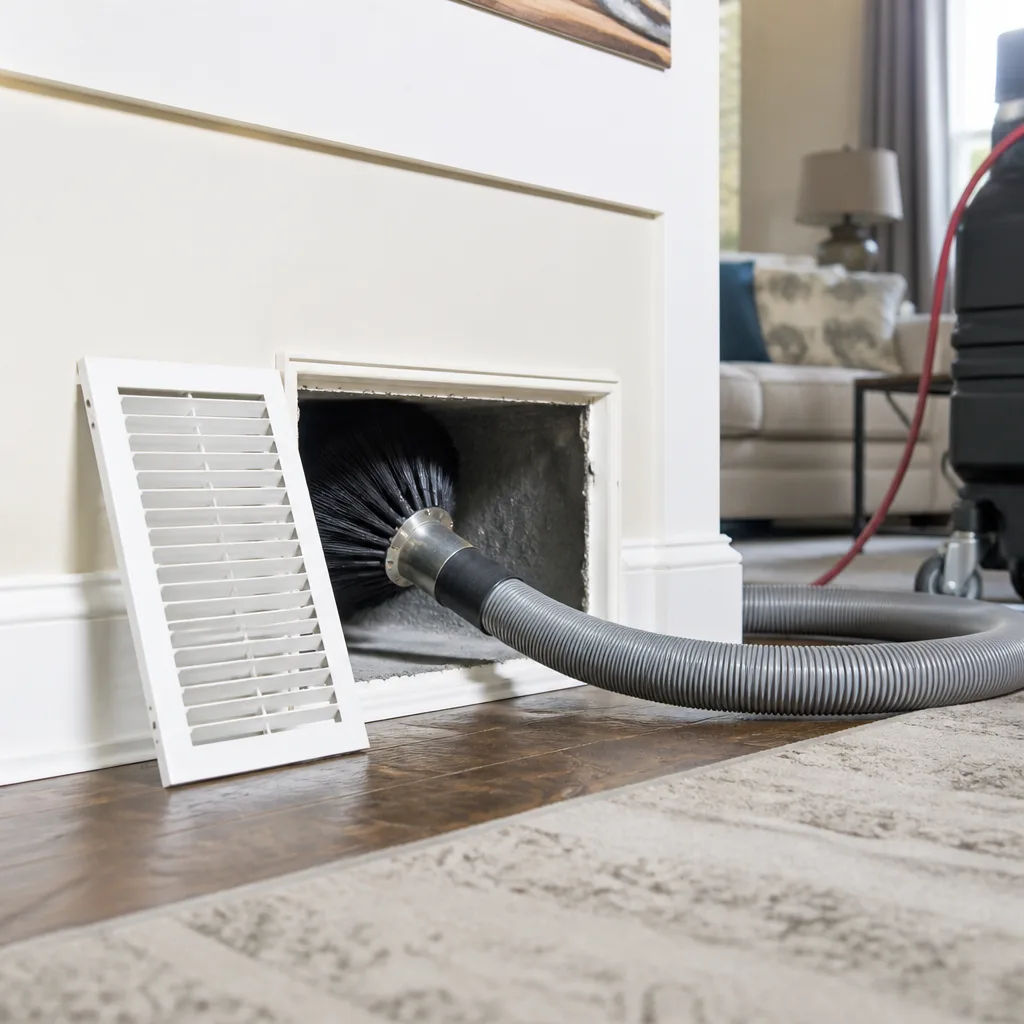 Whole-home duct cleaning
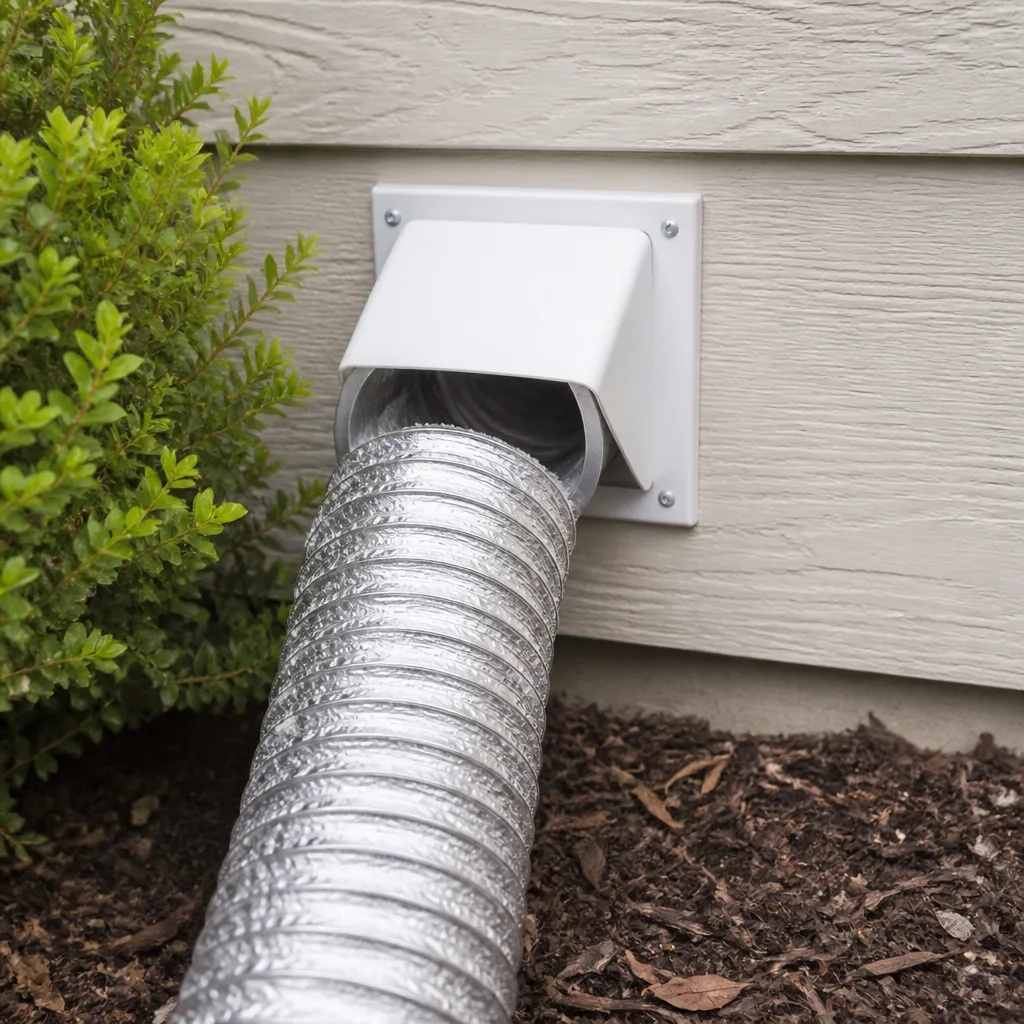 Dryer vent cleaning
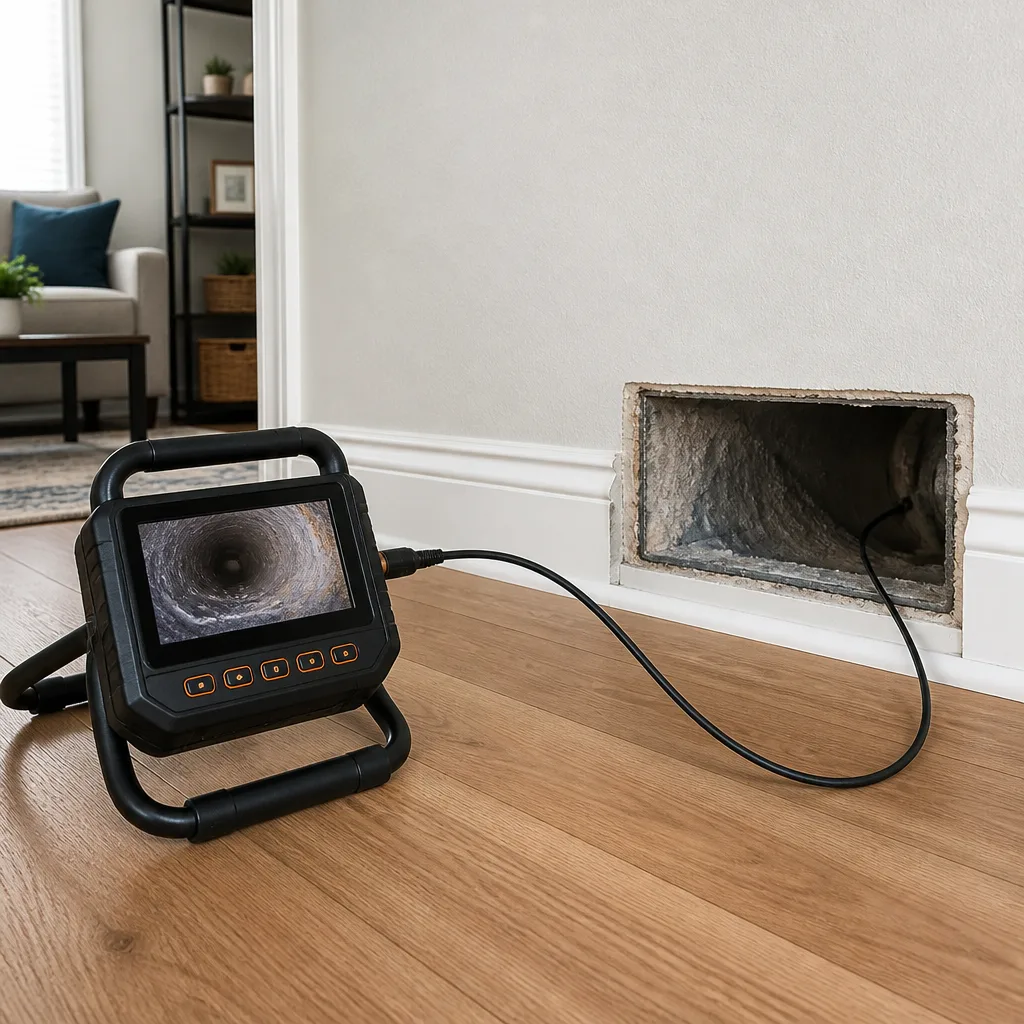 Camera inspection
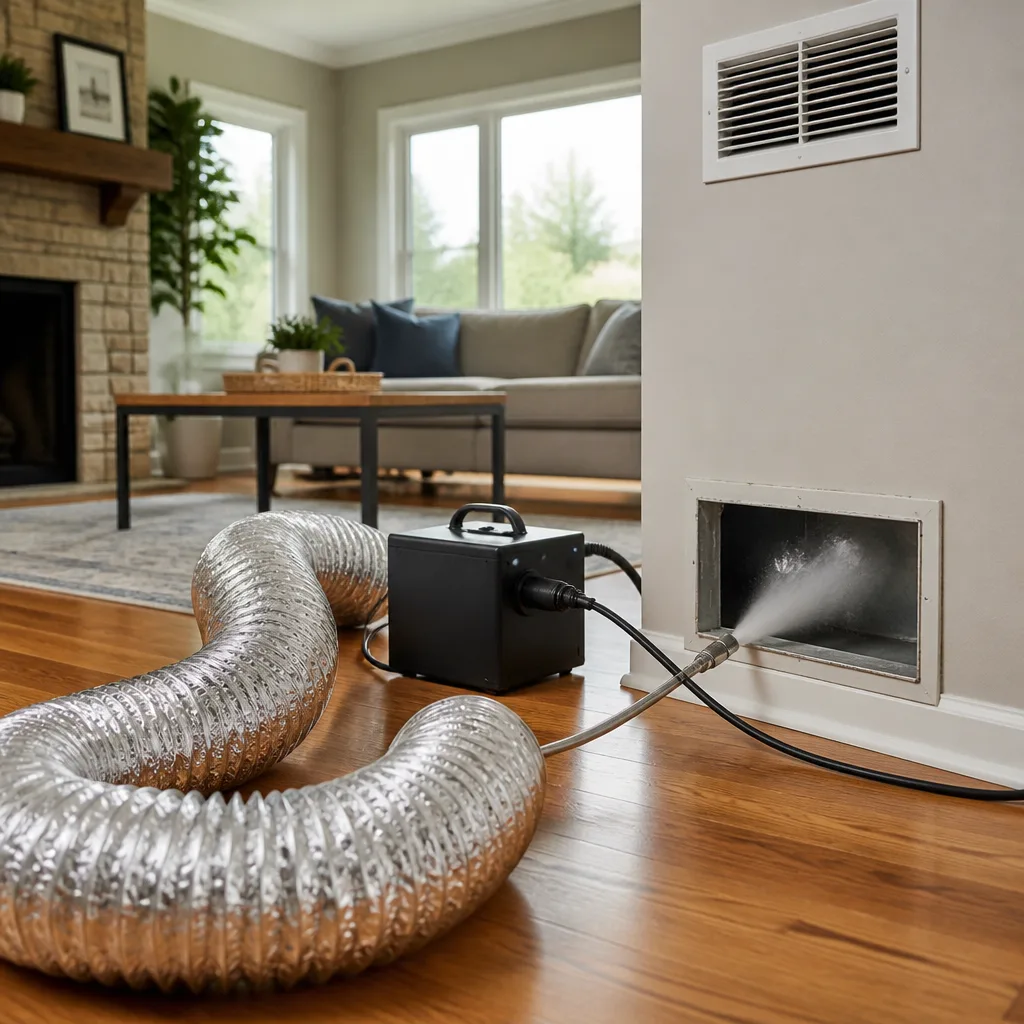 Sanitizing & deodorizing
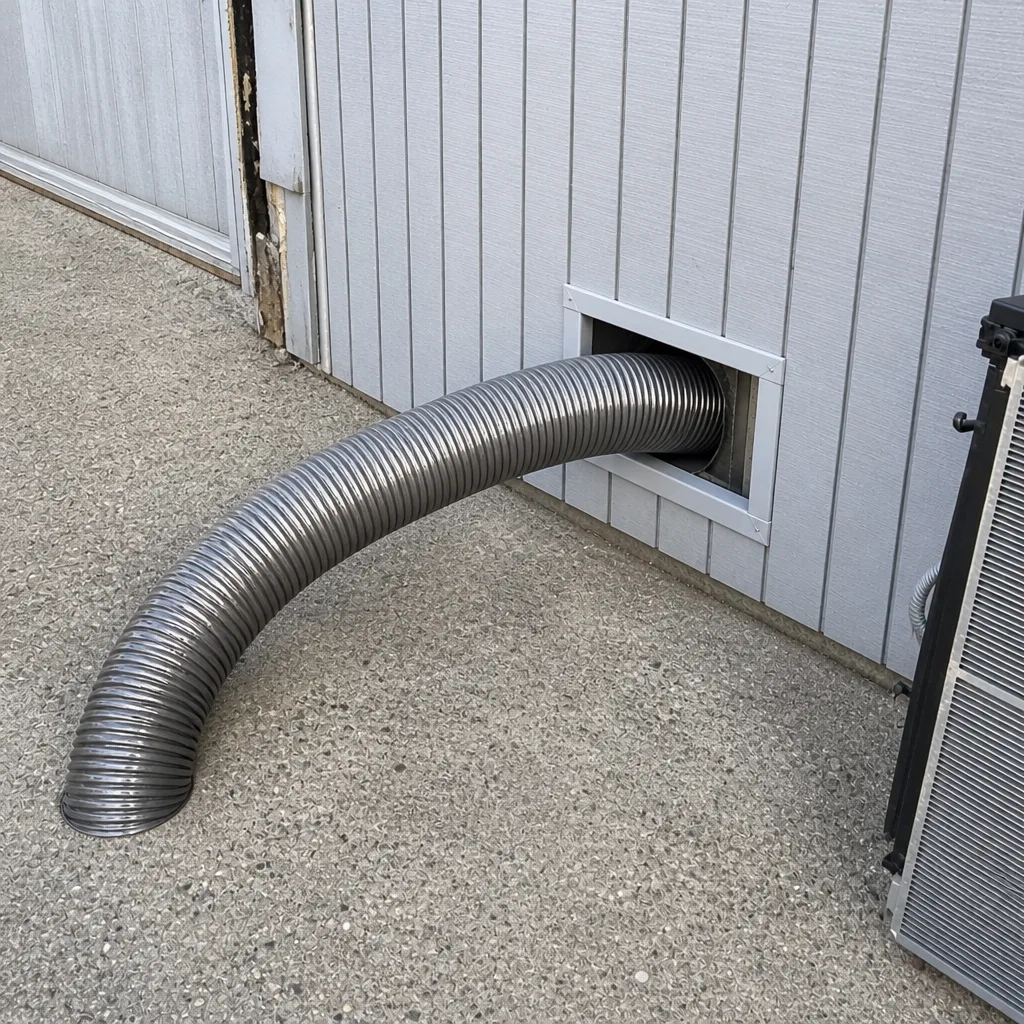
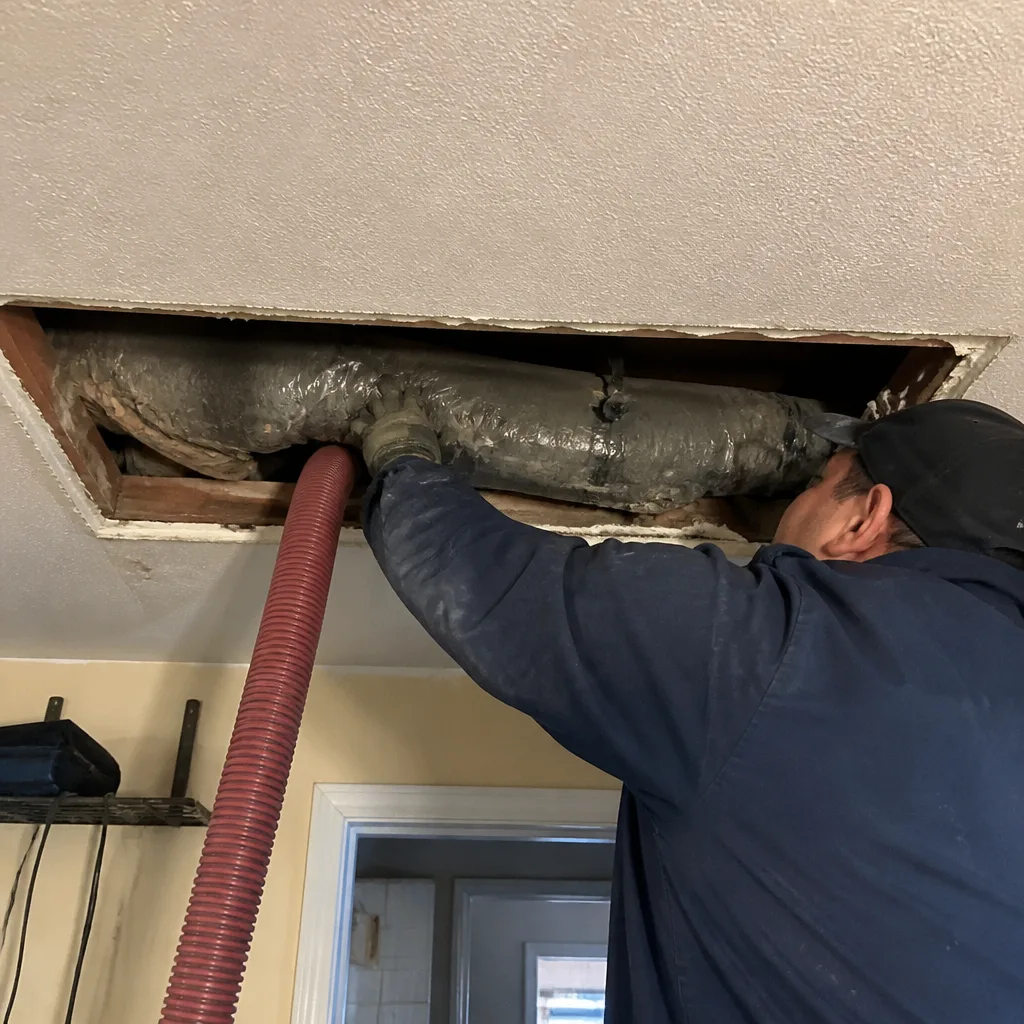
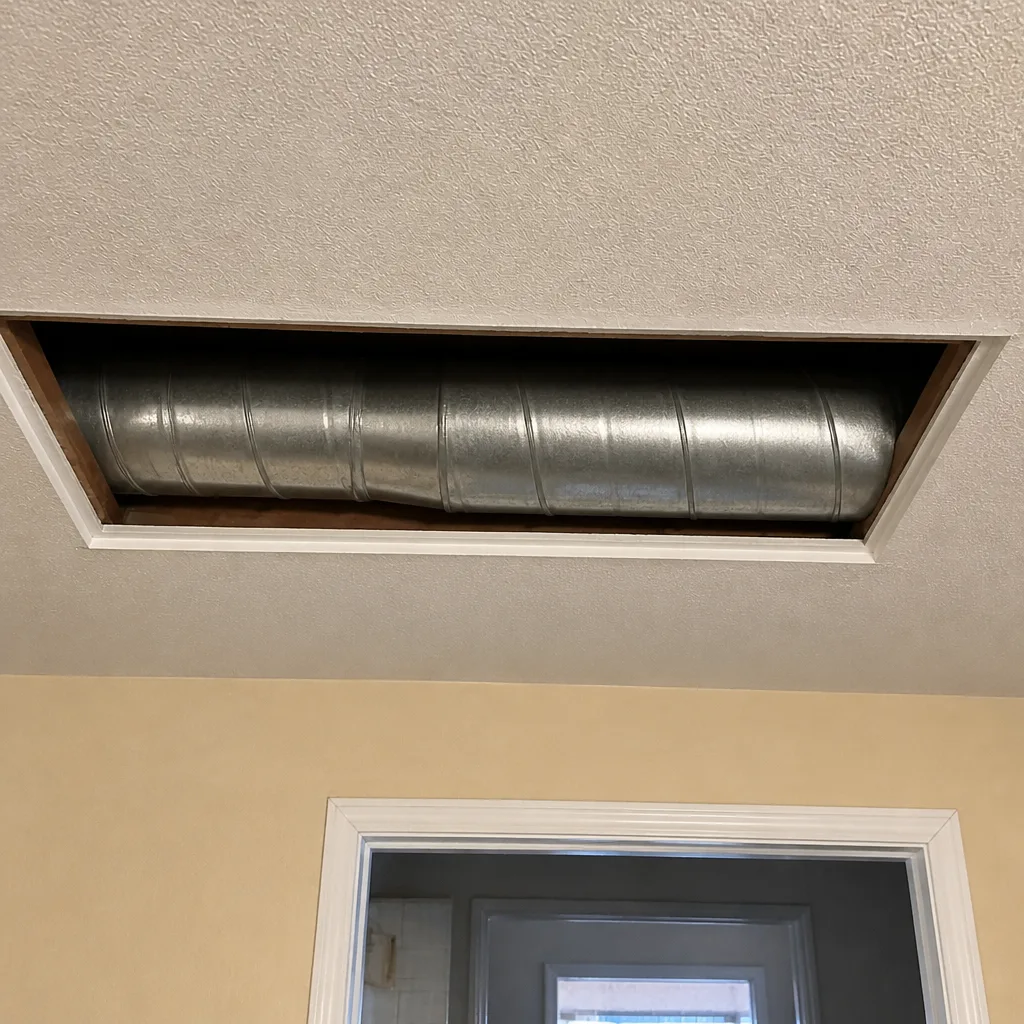
Whole-system duct and dryer vent check with before-and-after photos - you see exactly what came out of your vents
That "$99 whole-house special" is a bait ad - the real number appears once they are in your hallway, or the "clean" is a shop-vac at the register. We photograph the inside of your ducts before and after instead.
Air Duct Cleaning Emergency Preparedness Guide for Daly City Homes
Most homeowners think of duct cleaning as maintenance, the thing you get around to when the vents look dusty. That framing misses the two events that actually force the decision: a wildfire smoke week that pushes the Bay Area past AQI 200 for days, and a water intrusion that soaks an attic duct run or a crawlspace return. In both cases the contamination doesn’t stay in the air. It settles into duct insulation and interior surfaces, and it keeps releasing particles long after the smoke clears or the leak is patched. This guide gives you the exact steps to take before a technician arrives, what to document, and the questions that separate a real emergency response from a sales visit. Every recommendation here is written for Daly City homes specifically.
Quick Answer
When wildfire smoke or water intrusion hits a Daly City home, the priority is stopping the HVAC system from circulating contaminated air, then isolating the affected duct zone by closing registers and sealing return grilles, then documenting everything for insurance before anyone touches it. Mold can begin colonizing a wet duct interior within 48 to 72 hours, so water intrusion is the tighter clock. Call a professional for extraction and containment rather than running the system to “clear it out” – that spreads the problem through the whole house.
Styles & brands we work with
- Whole-home duct cleaning
- Dryer vent cleaning
- Camera inspection
- Sanitizing & deodorizing
Table of Contents
- The Two Duct Emergencies That Actually Happen in Daly City
- Wildfire Smoke Event Protocol: What to Do Step by Step
- Water Intrusion: The 48-72 Hour Mold Window
- How to Isolate a Contaminated Duct Zone Safely
- What to Document for Insurance
- Questions to Ask Before Any Emergency Duct Work Starts
- Filters, Filtration, and Restarting the System Correctly
- Common Mistakes to Avoid
- When to Call a Professional
The Two Duct Emergencies That Actually Happen in Daly City
Daly City sits in a weather pattern that makes two specific scenarios repeat: smoke events that blanket the Bay Area, and water intrusion into older housing. Those are the emergencies worth preparing for. Ice, deep frost, and storm-driven snow loading don’t belong in a Daly City conversation, and neither does the assumption that duct contamination is always a slow, gradual thing. Sometimes it happens in a single week.
The wildfire scenario is the one people underestimate. During the 2020 wildfire season, Bay Area air quality reached AQI 200+ for multiple consecutive days. Homes that kept HVAC systems running on fresh-air intake during that stretch pulled smoke particulates straight into duct insulation, where they continued off-gassing for months afterward. The system did exactly what it was designed to do, which was the problem.
The water scenario is quieter but often worse. Much of the housing stock in Daly City was built in an era when attic duct runs were insulated with materials that hold moisture and don’t dry quickly. A roof leak that drips onto an attic duct run, or flooding that reaches a crawlspace return, creates a wet interior that stays wet. Mold doesn’t need a flood to start; it needs moisture, organic dust, and time.
Both scenarios reward the same instinct: stop the system from spreading contamination, then get a trained eye on it. That’s what the rest of this guide walks through, and it’s the foundation of the air duct cleaning Daly City work we do in the neighborhoods here.
Wildfire Smoke Event Protocol: What to Do Step by Step
The single biggest mistake during a smoke event is leaving the HVAC running on fresh-air intake. Here’s the sequence that limits damage.
- Switch the system to recirculation mode. Close the fresh-air intake damper if your system has one. You want the system cycling interior air through the filter, not pulling smoke from outside. If you’re not sure how your system handles fresh air, check the thermostat manual or the install label on the air handler.
- Close all windows and exterior doors. Obvious, but people open them when the house gets stuffy. Resist that.
- Shut the system down entirely if the smoke is heavy and you can’t confirm recirculation mode. A system pulling outside air is worse than no system. When in doubt, off is the safer setting.
- Install the highest-MERV filter your system is rated for before you restart. A fresh filter catches more of what’s already circulating. Don’t exceed the rating your air handler specifies, or you’ll restrict airflow.
- Run the system on low fan to cycle air through the new filter. Give it a full cycle before assessing whether the smell and haze inside have cleared.
- Wait at least a week after the event ends before assessing duct contamination. Particulates settle. If you clean the day the smoke clears, you miss what’s still coming out of the insulation. Give it time, then look for the signs: persistent smoke smell when the system kicks on, visible staining at register faces, and a filter that darkens faster than usual.
If those signs show up, professional extraction is the next step. Consumer-grade vacuums don’t move enough air to pull particulates out of duct insulation. Our technicians work with Rotobrush rotary-brush systems and Nikro commercial-grade vacuum equipment, the same machinery restoration professionals use, because physical agitation and high-volume extraction are what actually lift embedded smoke residue. We also run Abatement Technologies equipment for HEPA-level containment during cleaning, so what gets loosened doesn’t end up airborne in your living room.
Water Intrusion: The 48-72 Hour Mold Window
Water in a duct system is a different clock than smoke. Mold can begin growing on a wet duct interior within 48 to 72 hours of the moisture arriving. That window is why water intrusion moves to the top of the priority list the moment you notice it.
The two intrusion paths we see in Daly City are roof leaks that find an attic duct run, and flooding that reaches a crawlspace return. Both are easy to miss initially, because the duct run is out of sight and the crawlspace is out of sight. By the time a homeowner notices a musty smell or sees staining at a ceiling register, the growth has usually been going for a while.
Here’s what to do in the first 48 hours:
- Stop the water at the source. Tarp the roof if needed, shut off the supply line if the flooding is interior. Nothing else matters until the water stops.
- Turn the HVAC system off until the affected duct zone is dry or isolated. Running it pushes moisture-laden air through the whole house.
- Photograph everything before moving anything. Ceiling staining, wet insulation, standing water, and the duct run in its wet state are the evidence your insurer will ask for.
- Dry the surrounding structure. Call a water damage restoration contractor for the structure itself. Duct work is a separate scope, but the two jobs run in parallel.
- Book a duct inspection within the window. If the ducts were wet for more than a day, assume contamination and get eyes on the interior.
If the insulation is wet, cleaning alone won’t fix it. Repair and replacement of the affected run may be necessary, which is why we offer air duct repair alongside cleaning. A contractor who only cleans can leave you with a clean but still-broken system.
How to Isolate a Contaminated Duct Zone Safely
While you wait for professional remediation, your job is containment. A contaminated zone that stays isolated stays a local problem. A contaminated zone that keeps circulating becomes a whole-house problem.
- Identify the affected zone. Figure out which registers and returns serve the room where the contamination originated. This is usually the room under the roof leak, or the floor above the crawlspace return.
- Close the supply registers in that zone. Close the dampers fully, not partially. A partially closed register still passes air.
- Seal the return grille in that zone. Plastic sheeting taped over the return grille is the standard fix. Seal the edges fully so the system can’t pull air from that room back into the return.
- Keep interior doors closed. If the affected room has a door, close it. If it opens to a hallway, keep the hallway door to that room closed too.
- Don’t run central air until a technician confirms the rest of the system is unaffected. The system is designed to balance pressure, and running it with a zone sealed changes the balance. Confirm first, run second.
- Label the zone. A note taped to the thermostat reminding everyone in the house not to run the system until the technician clears it prevents an accidental restart.
This is a temporary measure, not a fix. Sealing a return grille doesn’t clean anything; it just stops the spread while you’re waiting. If you smell smoke or must in a room you haven’t identified as affected, treat it as affected and seal it too. When the technician arrives, they can lift the seal and inspect.
What to Document for Insurance
Insurance claims for duct contamination live or die on documentation. If you don’t have photos of the source and the system at the time of the incident, you’ll be arguing about whether the contamination was pre-existing. Get the record now.
- Photos of the contamination source. Roof leak: photograph the roof, the ceiling staining, and the duct run in the attic. Flooding: photograph standing water at the crawlspace return and the water level anywhere it touched.
- Photos of the HVAC system in its current state. The air handler, the filter, the register faces, and the thermostat setting. If the system was running when the incident happened, note that. If you shut it down, note the time you did.
- Air quality monitoring data. For a wildfire smoke event, pull hourly AQI readings from a publicly available monitoring station near your Daly City address. Save the page or take screenshots with visible timestamps. That data establishes the event independently of anything you or a contractor says.
- A written timeline. The date you noticed the issue, the date you shut the system down, the date a technician inspected. One page, in order.
- The contractor’s written report once the work is scoped. Any professional assessment should state what they found, what they recommend, and what the report means for the claim.
That last item is why you should ask before any work starts what written report the contractor provides. A contractor who doesn’t put anything in writing is difficult to file against, and that gap shows up when the insurer asks for evidence.
Questions to Ask Before Any Emergency Duct Work Starts
Emergency duct work is where a homeowner is most likely to get talked into the wrong scope at the wrong price. Four questions eliminate most of the risk.
1. What’s your containment protocol? Cleaning loosens particulates. If the contractor can’t describe how they keep those particulates out of your living space, that’s a problem. We use Abatement Technologies equipment for HEPA-level containment on every job, and we can explain what that means before we start.
2. What equipment are you using? Consumer-grade vacuums and air movers will push debris around without extracting it. The professional standard is a rotary-brush system that physically agitates debris off the duct interior, plus a high-volume vacuum that pulls it out. Rotobrush and Nikro are the brands the restoration industry uses for exactly that reason.
3. Are you cleaning or remediating? These are different scopes. Cleaning removes accumulated dust, debris, and contamination from a functioning system. Remediation addresses a system that’s been compromised by water, mold, or fire residue, and it usually involves containment, drying verification, and sometimes material replacement. If the contractor can’t tell you which one your situation calls for, they haven’t assessed it.
4. What written report will you provide? Before-and-after photos of your own ducts, a written summary of what was found and addressed, and documentation the insurer will accept. Get the commitment before work starts, not after.
Ask all four before signing anything. A contractor who hedges on any of them isn’t the one you want in an emergency. Our technicians have up to 10 years of experience and answer these questions the same way every time.
Filters, Filtration, and Restarting the System Correctly
The filter is the cheapest piece of emergency equipment you own. Getting it wrong during a smoke event or after a water intrusion means recirculating exactly what you’re trying to get rid of.
- Match the MERV rating to the air handler, not to the marketing. Higher MERV isn’t automatically better. A filter rated above what your system is designed for restricts airflow and can strain the blower. If the label on the air handler specifies MERV 13, don’t put in MERV 16.
- Replace the filter at the start of the incident, not the end. A filter that’s been capturing smoke or mold spores is loaded and needs to go before you restart the system.
- Watch filter darkening over the first month after a smoke event. Faster than usual darkening is a sign that particulates are still being drawn into the return from the duct interior, not just from the room air. That’s when you call for an assessment.
- Consider whole-home filtration if you’re responding repeatedly. We work with Aprilaire and Honeywell air-quality products, which let us address filtration at the system level rather than settling for a filter behind the return grille. For a Daly City home that sees multiple smoke events in a season, that upgrade usually pays for itself in fewer emergency calls.
Restarting correctly also means running the system through one full cycle while you watch the registers. If you see or smell anything coming out of a register that suggests the duct interior is still contaminated, shut it down and call. Running it longer doesn’t help.
If your dryer vent is in the same mechanical closet and hasn’t been touched in a while, that’s a separate safety item worth addressing in the same visit. A clogged dryer vent is a fire risk, not a maintenance afterthought, and cleaning it is one of the three services we run, along with dryer vent cleaning in Daly City homes that have never had it done.
Common Mistakes to Avoid
- Running the system to “clear out” the smoke. Running the HVAC during a smoke event pulls more smoke into the duct insulation. It doesn’t flush the system; it loads it.
- Cleaning ducts the day the smoke clears. Particulates settle for days after an event ends. Cleaning too early misses what’s still coming out of the insulation, and you’ll be back in the same position within a month.
- Assuming a dry duct is a safe duct. Duct insulation that got wet and then dried on its own can hold mold spores that don’t produce visible staining. If a duct run was wet for more than a day, get it inspected regardless of what it looks like now.
- Hiring the cheapest emergency quote. In an emergency, price is often the only variable a homeowner compares. The differences that matter are whether they contain particulates, whether they use extraction equipment, and whether they put their findings in writing. A quote that’s half the others usually reflects one of those missing.
- Skipping photos before the work starts. Once the ducts are cleaned, the evidence is gone. If you haven’t documented the source and the system state before the technician arrives, the insurer has nothing to review.
- Restarting with the old filter still in place. A loaded filter is the first thing to replace when you restart, not the last. Put fresh in, then run.
- Treating a duct clean as a system repair. A cleaned duct that’s still leaking, disconnected, or poorly sealed will re-contaminate. If you’ve had water intrusion or a roof leak, ask whether repair is part of the scope, not just cleaning.
When to Call a Professional
Call when the smoke event has passed and the interior smell persists when the system runs, when a duct run has been wet for more than a day, when you can see staining at a register face, or when the system produces a smell you can’t identify. Call before restarting the system if you’ve had water intrusion and don’t know how long it lasted. Call before the 48-hour mark if you can, since the mold window is real and it doesn’t pause while you research.
Duct Cleaning Daly City offers free estimates in Daly City. We answer 24/7. Fast dispatch from 7am to 7pm, Sunday through Friday. Call (833) 958-9532 and we’ll book an inspection, walk through containment and equipment over the phone, and give you a written estimate before anything starts. One flat price per system, agreed before work begins, with before-and-after photos of your own ducts when we’re done. Licensed and insured.
See the difference
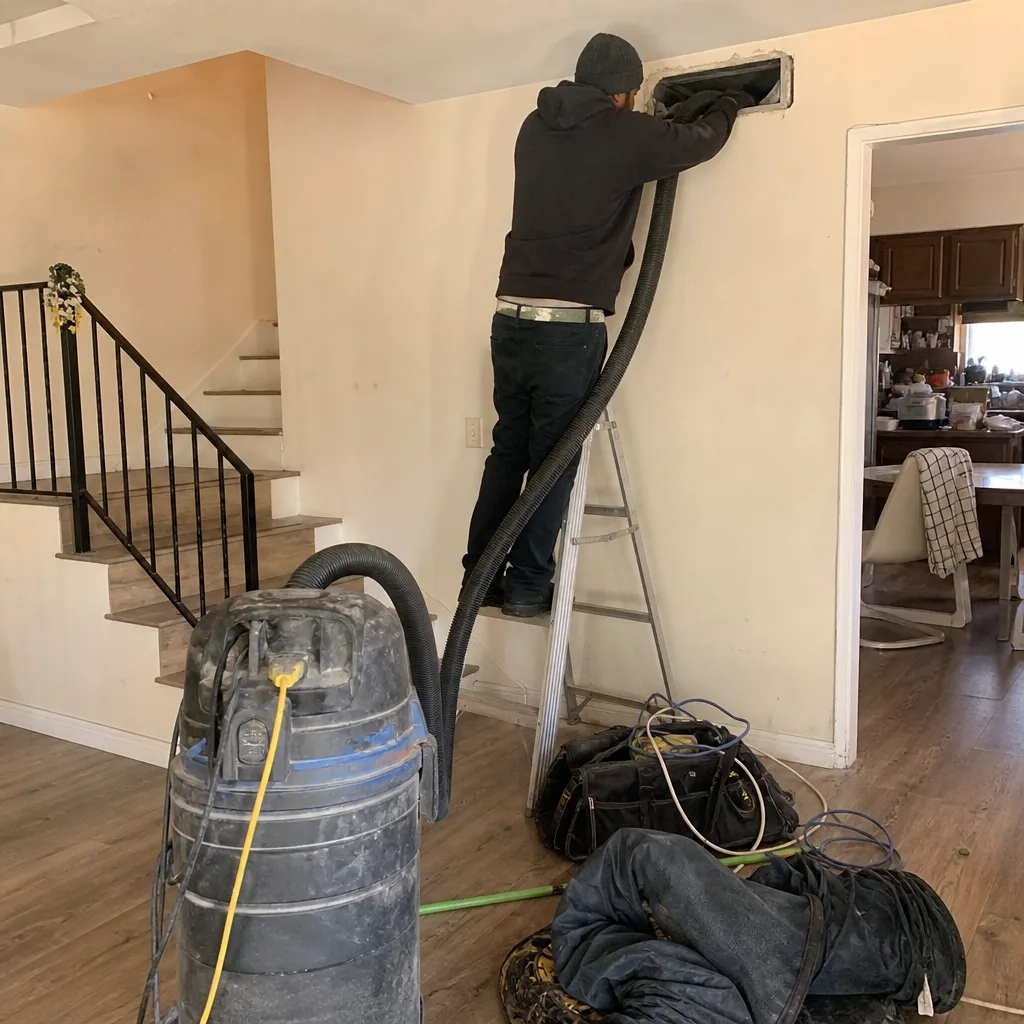 Before
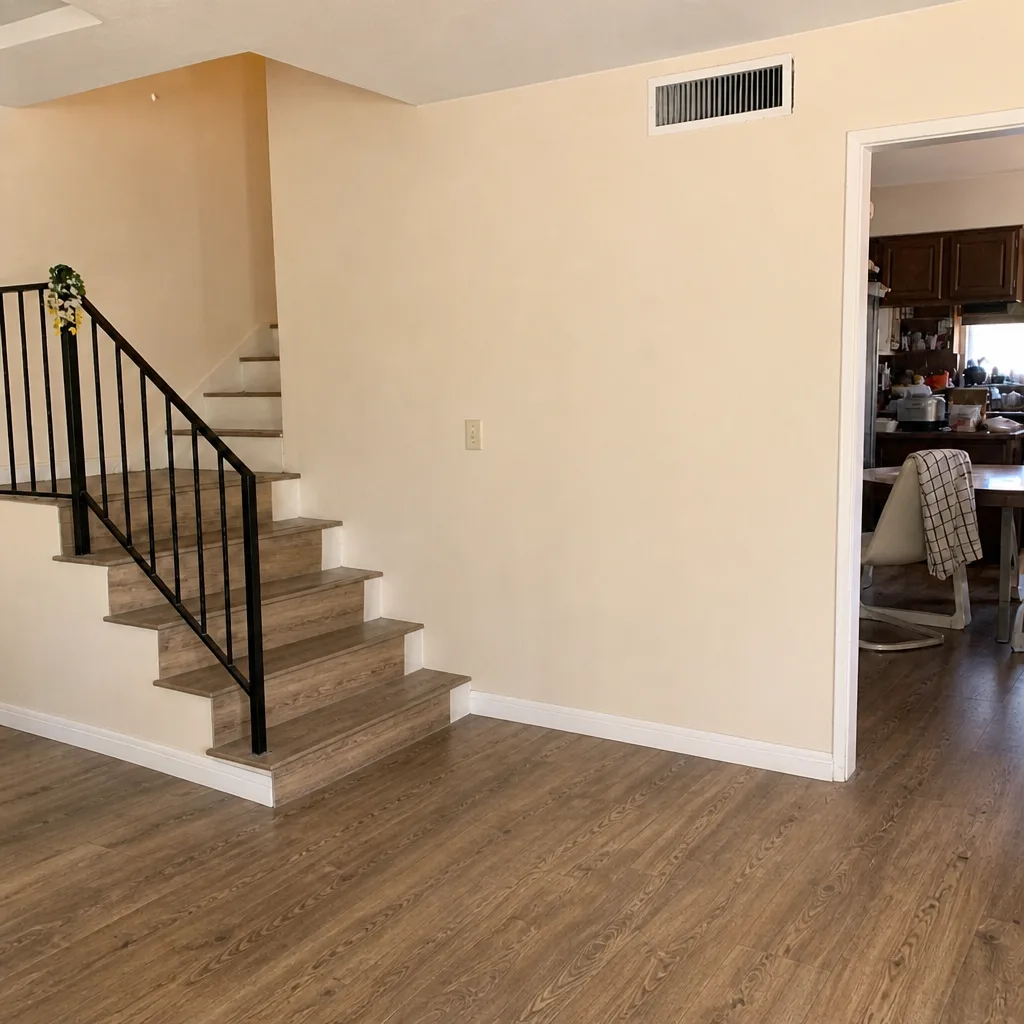 After
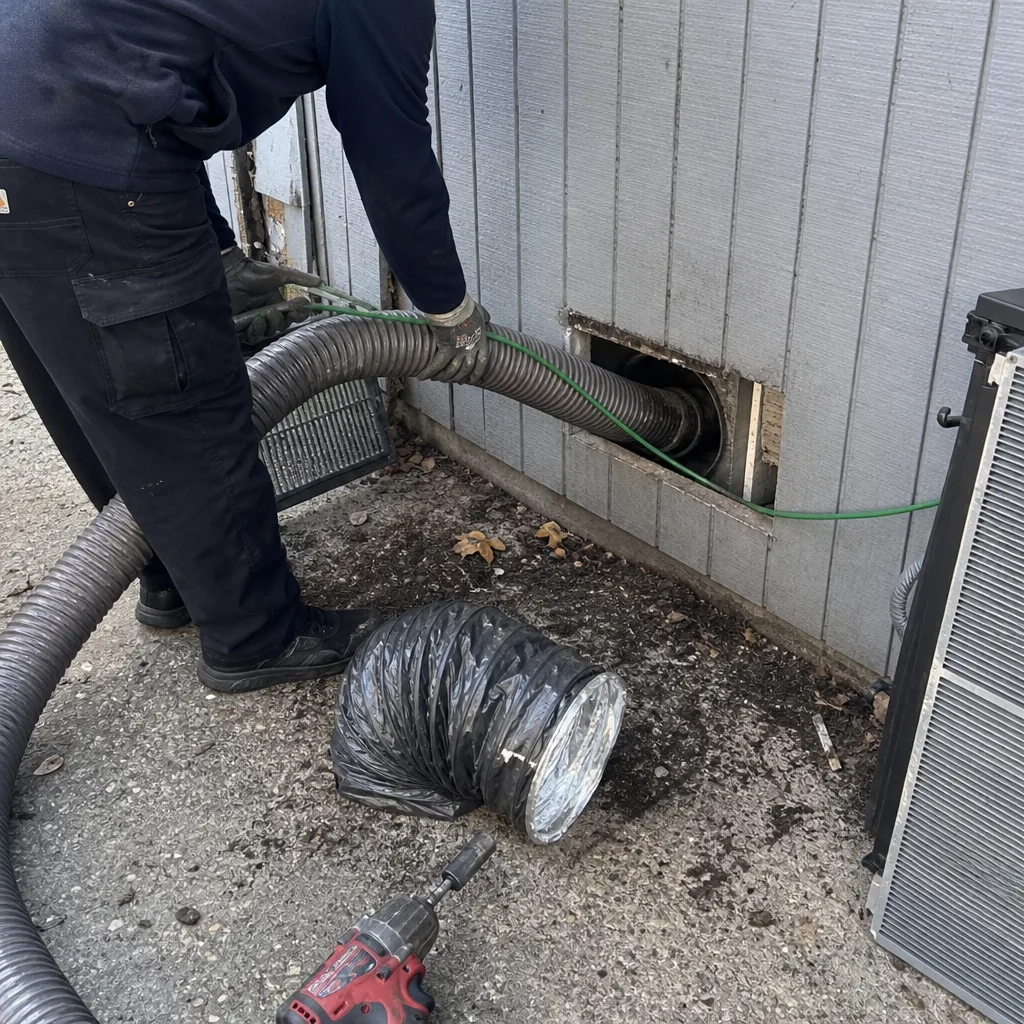 Before
 After
 Before
 After
Frequently Asked Questions
Within 48 hours. Mold can begin growing on a wet duct interior within 48 to 72 hours, so the window is tight. Shut the HVAC system down, stop the water at the source, photograph everything, and book a duct inspection before the 48-hour mark. Waiting a week because the ducts “look fine” is the mistake that turns a cleanable duct into one that needs replacement.
Switch to recirculation mode if your system supports it, and shut it off entirely if you can’t confirm recirculation. Running a system on fresh-air intake during a smoke event pulls smoke straight into the duct insulation. If you’re not sure how your system handles fresh air, off is the safer setting. Call (833) 958-9532 if you want to talk through your system before the next smoke event.
We don’t quote a number before seeing the system, because the honest answer depends on the number of zones, the extent of contamination, and whether repair is part of the scope. What we do commit to is one flat price per system agreed in writing before work starts, no per-vent pricing, and before-and-after photos of your own ducts. Emergency scope usually costs more than routine cleaning because containment and documentation are part of the job. Call (833) 958-9532 for a free estimate on your specific system.
Cheaper quotes usually mean one thing is missing: containment, extraction equipment, or written documentation. A contractor who cleans without HEPA-level containment during a post-water or post-smoke job spreads particulates through the house. A contractor who doesn’t use rotary-brush and high-volume vacuum equipment pushes debris around instead of removing it. Ask what equipment, what containment, and what report they provide before you compare prices. Call (833) 958-9532 if you want to compare those answers directly.
You should receive before-and-after photos of your own ducts, not stock images. A written summary of what was found, what was addressed, and what the system looked like on inspection is the standard. If a contractor won’t commit to either before starting, keep looking. Call (833) 958-9532 and we’ll explain exactly what our report includes.
Routine cleaning depends on the home and its history of smoke or water events. A house that’s been through a wildfire smoke event or a water intrusion should be assessed immediately, not on a schedule. A house with no such history and clean indoor air can usually go much longer. The signs that matter are the ones that show contamination is moving through the system: faster-than-usual filter darkening, smell when the system starts, and staining at registers. Call (833) 958-9532 for an estimate and we’ll tell you honestly whether your system needs work.
The Bottom Line
Two emergencies, two clocks. Wildfire smoke gives you days to assess; water intrusion gives you 48 to 72 hours before mold starts. In both cases the sequence is the same: stop the system from spreading contamination, isolate the affected zone, document for insurance before anyone touches anything, then bring in a contractor who brings containment, extraction equipment, and a written report. Ask what equipment, what containment, and what report before you sign. The right contractor answers all three without hedging. And if the ducts are clean but the system is leaking or disconnected, cleaning alone won’t solve it – repair has to be in scope.
Call (833) 958-9532 for a free estimate and a walkthrough of what your Daly City system needs. Our technicians have up to 10 years of experience, use professional Rotobrush, Nikro, and Abatement Technologies equipment, and work with Honeywell and Aprilaire air-quality systems. Explore the full Daly City service area or start with air duct cleaning and we’ll take it from there. Guardsman products round out the toolkit where a finishing layer is called for. Licensed and insured, with one flat price per system agreed before work begins.
Written by the team at Duct Cleaning Daly City.