
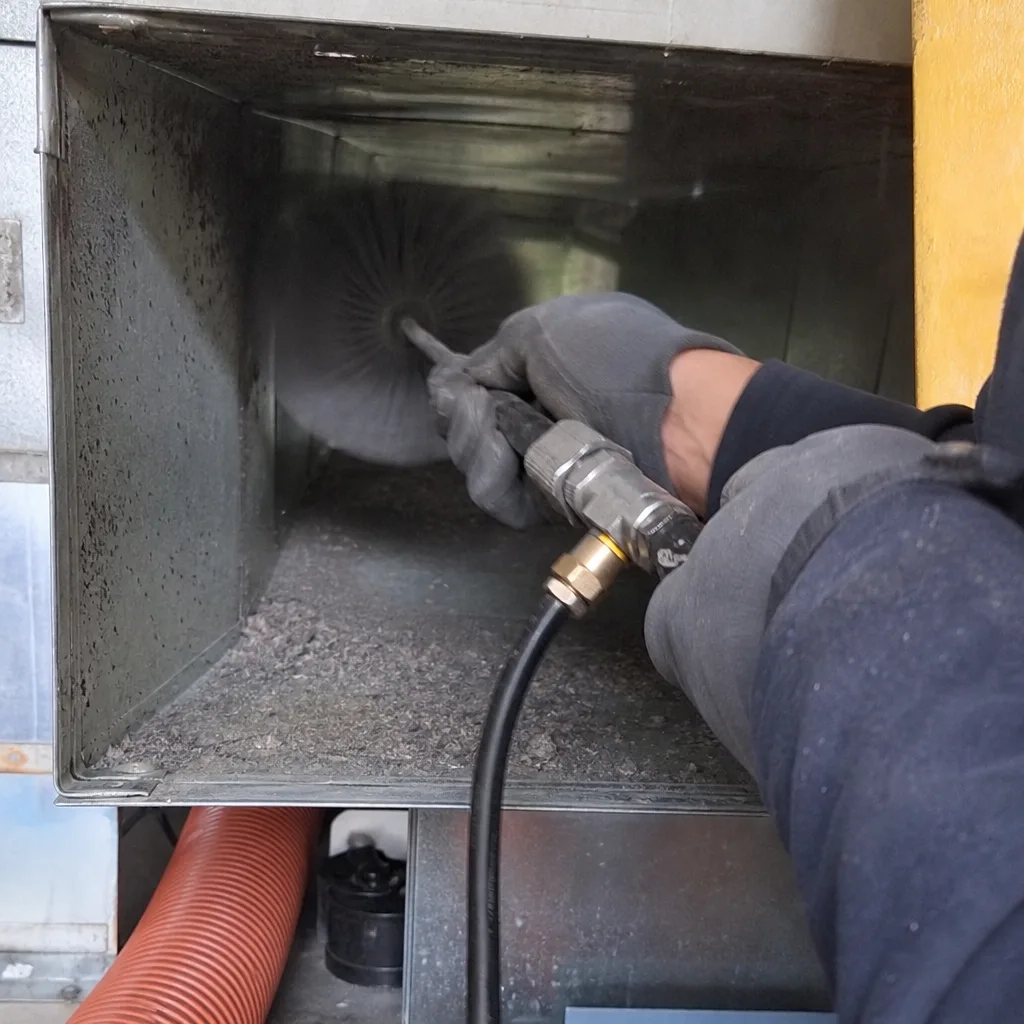
Last updated November 16, 2026
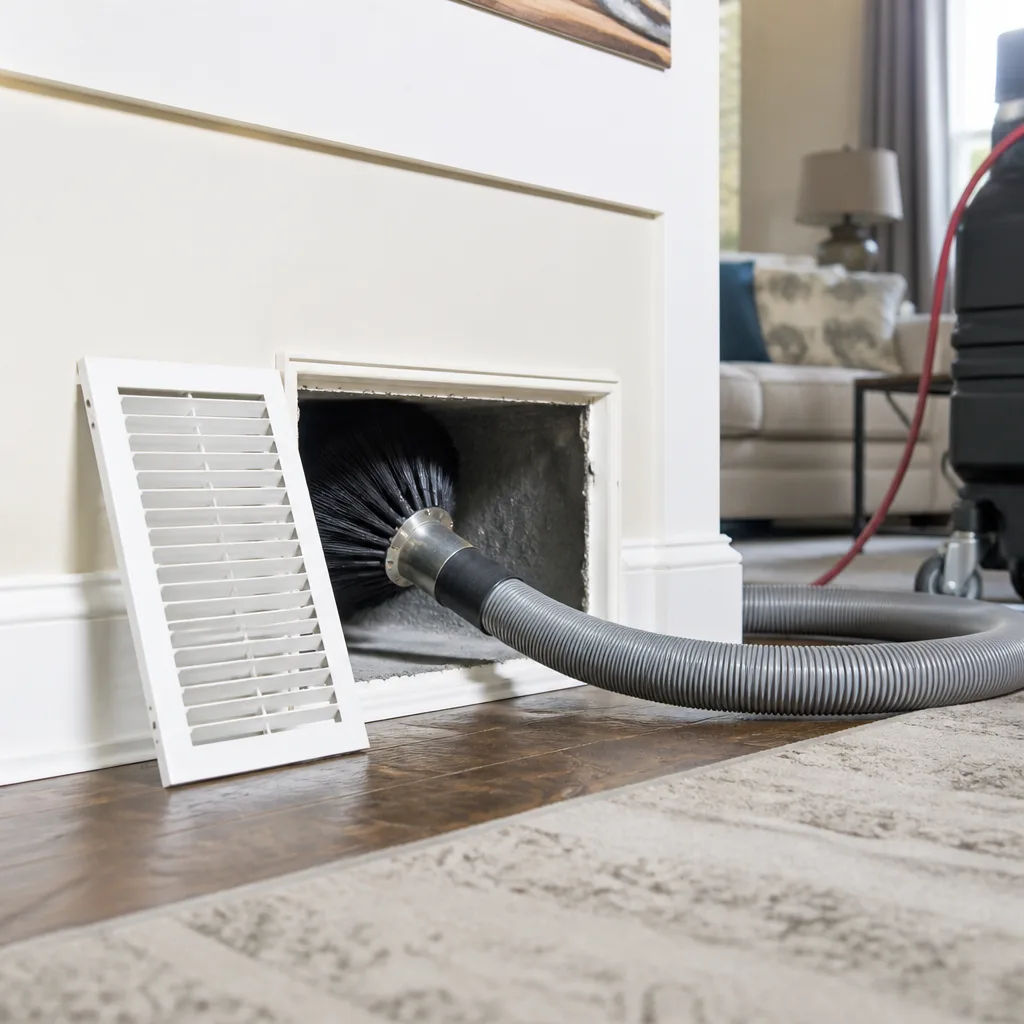 Whole-home duct cleaning
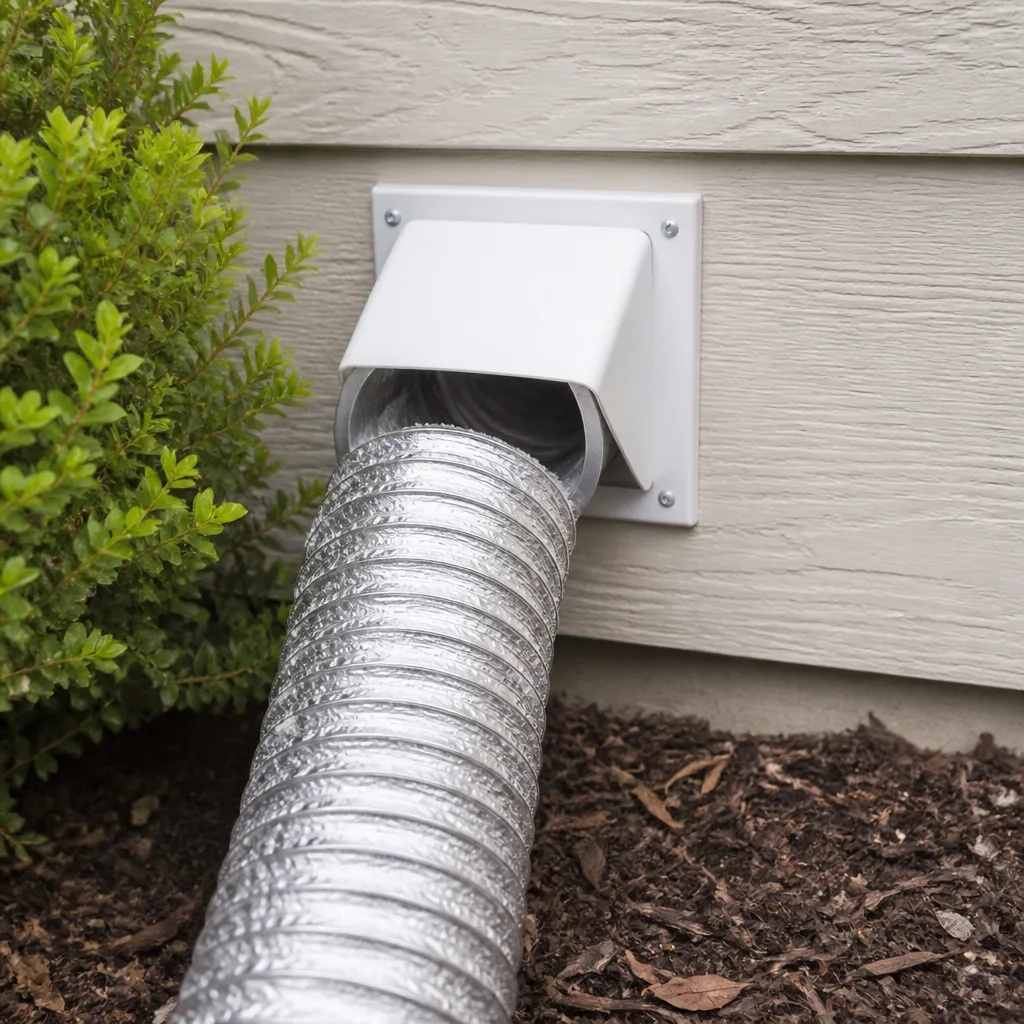 Dryer vent cleaning
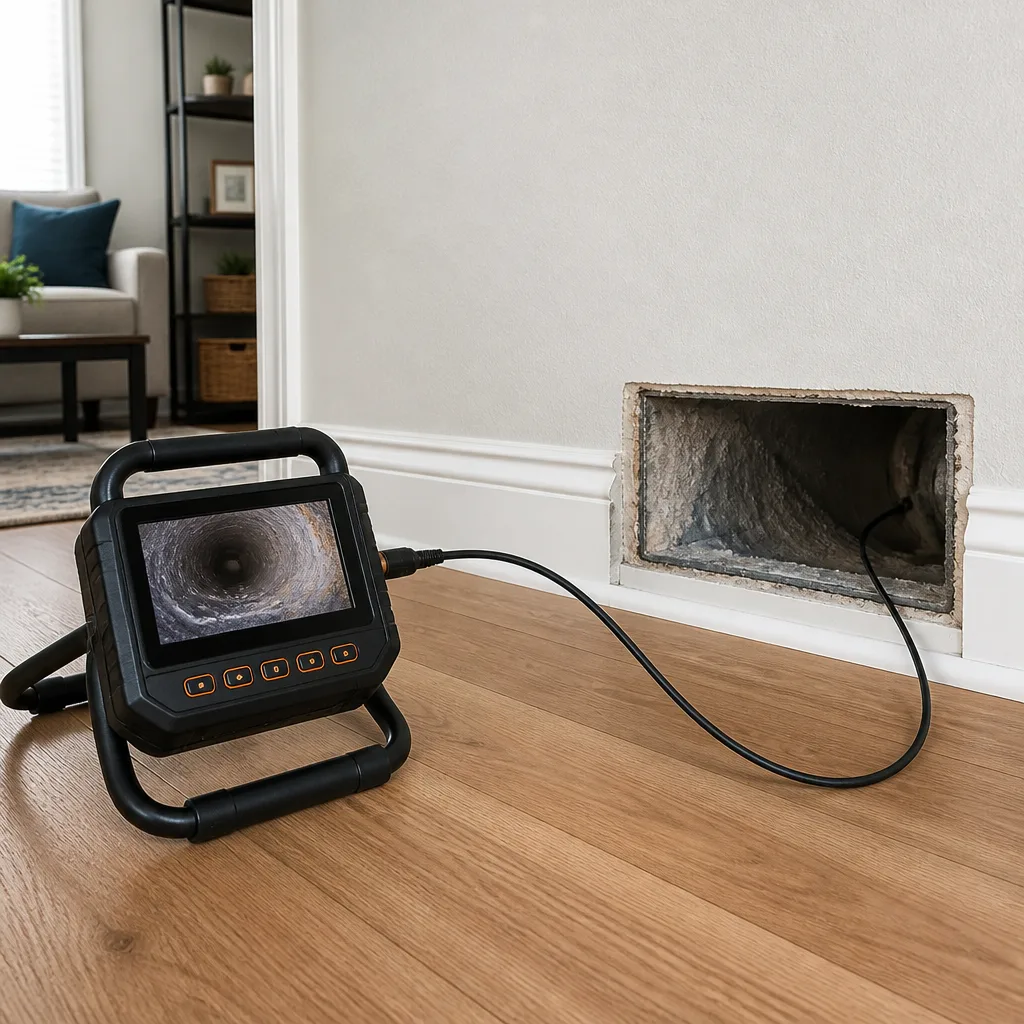 Camera inspection
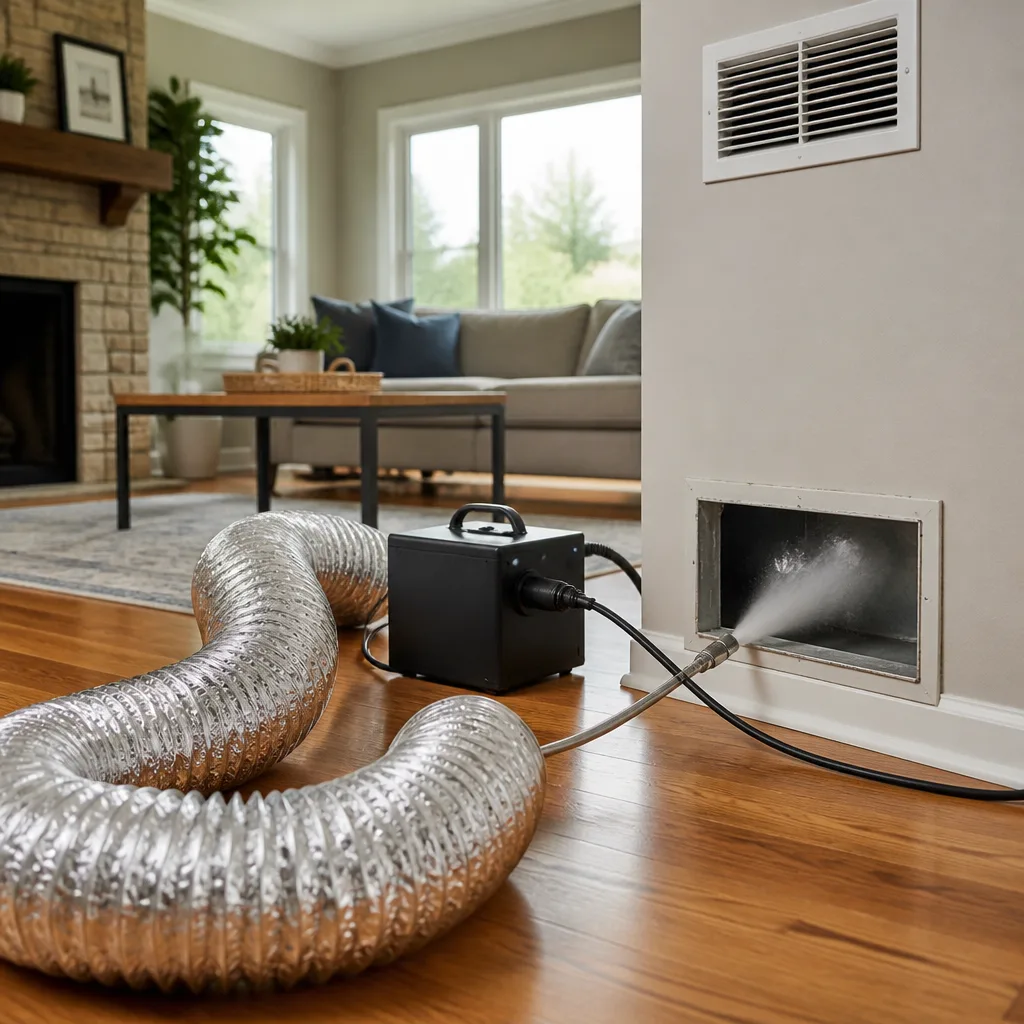 Sanitizing & deodorizing
Whole-system duct and dryer vent check with before-and-after photos - you see exactly what came out of your vents
That "$99 whole-house special" is a bait ad - the real number appears once they are in your hallway, or the "clean" is a shop-vac at the register. We photograph the inside of your ducts before and after instead.
The Complete Guide to Air Duct Cleaning in Daly City
Most duct cleaning advice you’ll find online was written for a house in Phoenix or Dallas. It assumes dry air, wide temperature swings, and duct systems that stay dusty but mostly dry. Daly City doesn’t work that way. The fog that settles over this city for much of the year keeps outdoor humidity steady and cool, and that moisture doesn’t stop at your walls. It migrates into return ducts, condenses on cold metal fittings, and changes both what grows inside your ductwork and how you have to clean it. The equipment that works on an inland house may not be enough here. This guide covers what actually happens inside Daly City ducts, how a real inspection should go, and what to ask before anyone touches your system. We’ll separate the methods that work in this climate from the ones that just move dust around.
Quick Answer
Air duct cleaning in Daly City means removing built-up dust, compacted debris, and moisture-driven contamination from the supply and return runs, using negative-air vacuum equipment paired with mechanical agitation like rotary brushes. Because of this city’s persistent fog and cool marine air, duct systems here tend to hold more moisture and compacted fibrous debris than inland Bay Area homes, so the job demands real suction and a thorough pre-clean inspection, not a quick blow-through. A proper clean ends with a camera verification pass and an airflow check at your registers.
Styles & brands we work with
- Whole-home duct cleaning
- Dryer vent cleaning
- Camera inspection
- Sanitizing & deodorizing
Table of Contents
- Why Daly City’s Climate Changes What’s Inside Your Ducts
- The Contamination Local Technicians Find Most Often
- Truck-Mounted vs. Portable Equipment: Why Suction Power Matters Here
- What a Thorough Inspection Looks Like Before Any Cleaning
- The Step-by-Step Cleaning Process
- Duct Repair: Cleaning a Broken System Isn’t the Whole Job
- Your Dryer Vent Is a Fire Risk, Not a Maintenance Afterthought
- Post-Cleaning Verification: How to Know the Work Was Done
Why Daly City’s Climate Changes What’s Inside Your Ducts
Daly City sits in one of the coolest, dampest pockets of the Bay Area. The marine layer rolls in and stays, keeping outdoor relative humidity elevated through most of the year and holding temperatures in a narrow band. That combination has real consequences for a duct system. Cool, moist air pulled into return ducts doesn’t dry out the way it would in a warmer, drier climate. It lingers.
The result is a duct environment that stays slightly damper than the rest of the house. When warm interior air meets a cooler duct surface, especially on runs that pass through unconditioned crawlspaces or along exterior walls, condensation forms. That film of moisture is enough for dust to stick and clump instead of staying loose. Over months, what would be a light dust layer inland becomes compacted debris here.
What should a homeowner watch for? A few signals point to moisture problems inside the system:
- Musty or earthy smells when the system first kicks on, fading after a few minutes
- Visible condensation or water staining on duct insulation or at joints
- Dust that clumps into dark, fibrous patches at the registers instead of a fine even layer
- Allergy symptoms that worsen indoors and ease when you’re away from home
If you want a baseline, a hygrometer placed near a return grille can give you a rough indoor reading. Persistently high indoor relative humidity in a Daly City home usually points to a system that isn’t moving or drying air the way it should, and a duct that never dries is a duct that grows things. That’s the core of the local problem, and it’s why a climate-blind guide will steer you wrong. For a closer look at how we handle these conditions in this city, see duct cleaning Daly City.
The Contamination Local Technicians Find Most Often
Every region has its signature duct problems. In Daly City, three show up again and again, and knowing them helps you ask the right questions before hiring anyone.
1. Compacted fibrous debris in older insulated flex duct. Much of this city’s housing stock was built in the mid-twentieth century, and a lot of it still runs flexible insulated duct. The inner liner of old flex duct can shed fibers, and those fibers combine with damp dust to form dense, matted clumps that don’t vacuum out with light suction. They have to be mechanically broken up and then extracted, which is why a rotary brush system matters more here than a simple air wand.
2. Mold at supply plenum junctions. The plenum is the box where your ductwork connects to the air handler. It’s often the coolest, least-ventilated point in the system, and it’s where moisture tends to collect first. In our experience, this junction is the single most common place to find microbial growth in a Daly City home. It’s also the spot a fast cleaner skips, because it takes time and access.
3. Pest intrusion debris in crawlspace runs. Homes with ducts running through vented crawlspaces give rodents and insects a path in. You’ll find droppings, nesting material, and gnawed insulation in those runs. This is a health concern, not just a cleanliness one, and it needs proper containment during removal so the debris doesn’t end up airborne in your living space.
All three of these problems share a trait: they can’t be fixed by suction alone. They need agitation, containment, and enough vacuum power to pull out material that’s stuck to the duct walls. If you’ve recently bought a home in this city or finished a renovation, these are the things to have checked before you settle in. You can read more about the local picture on our Daly City page.
Truck-Mounted vs. Portable Equipment: Why Suction Power Matters Here
Here’s where a lot of cheap quotes fall apart. The machines a crew brings determine what actually comes out of your ducts, and the gap between equipment types is larger than most homeowners realize.
A truck-mounted negative-air machine generates far more suction than a portable unit, and it holds that suction across long, branching duct runs. That distinction matters in Daly City specifically. Many homes here are multi-story, with ducts that climb and turn, and a long run of flex duct bleeds off pressure. A portable machine may read strong at the truck but lose most of its pull by the time it reaches a third-floor bedroom register. Debris in the far runs simply stays put.
We use professional Rotobrush rotary-brush systems paired with Nikro commercial-grade vacuum equipment. The rotary brush physically agitates and loosens debris from the duct wall while the vacuum extracts it. That combination is the same approach restoration and remediation contractors use, because it works on the kind of compacted, stuck-on contamination this climate produces. A crew that shows up with a shop vac and a spinning air whip isn’t doing the same job, even if the invoice looks similar.
When you’re comparing quotes, ask two direct questions:
- What suction equipment do you use, and is it negative-air?
- Do you agitate the duct walls mechanically, or just blow air through?
A crew that can answer both clearly, and name the equipment, is a crew that understands the difference. If they can’t, that tells you something too. For an overview of how we approach this locally, visit our air duct cleaning page.
What a Thorough Inspection Looks Like Before Any Cleaning
No cleaning should begin before an inspection. This is the part homeowners get skipped on most often, and it’s the part that separates a real job from a rushed one. Here’s what a proper pre-clean inspection includes.
- Camera scope of the main runs. A camera pushed into the supply and return ducts shows the actual condition inside: dust load, moisture, debris type, and any damage. You should be shown what the camera sees.
- Static pressure reading. This measures how hard your blower is working to move air. High static pressure usually means a restricted or leaking system, and it’s a useful before-and-after number.
- Visual boot and register checks. Pulling registers to look at the boots (the fittings where duct meets floor or wall) reveals dust build-up and pest evidence that a camera might miss.
- Plenum and air-handler access. Checking the junction where ducts meet the equipment, and looking for moisture or microbial growth there.
- Insulation and seal assessment. Looking for torn flex duct, disconnected joints, and gaps that let crawlspace air into the system.
A contractor who skips straight to brushing is guessing. Without the inspection, there’s no way to know what you’re cleaning out, whether there’s a moisture problem that will just return, or whether a section of duct is damaged and needs repair before cleaning makes sense. The inspection also gives you a baseline to measure the clean against. Ask to see the camera screen. You’re paying for the information as much as the work.
The Step-by-Step Cleaning Process
Once the inspection is done, a proper clean follows a sequence. It’s not glamorous, but the order matters, and knowing it helps you recognize a job done right.
- Set up containment. The crew seals registers and connects negative-air equipment so the system is under vacuum before any brushing starts. This keeps loosened debris from drifting into your living space.
- Connect HEPA-level filtration. We use Abatement Technologies equipment for particulate containment during the clean. This is what keeps fine dust and any microbial material captured rather than recirculated, which matters for allergy and asthma sufferers and for homes that just went through a renovation.
- Agitate the ducts. Rotary brushes run through each run, loosening compacted debris from the walls, while the vacuum pulls it out.
- Clean the plenum and air handler surfaces. The junction and accessible equipment surfaces get cleared, since that’s where local growth tends to concentrate.
- Clean registers and boots. Each supply and return gets cleared by hand where the brush can’t reach.
- Apply a protective finish where appropriate. We use Guardsman-brand products in the toolkit for a protective layer on certain surfaces after cleaning.
- Verify. A second camera pass and an airflow comparison by register confirm the work.
That last step is not a formality. It’s how you know the dust actually left the building instead of just moving to a different run. We’ll cover verification in its own section below, because it’s the part homeowners should insist on most.
Duct Repair: Cleaning a Broken System Isn’t the Whole Job
Cleaning a duct system with torn flex, disconnected joints, or crushed runs is like mopping a floor with a hole in the ceiling above it. The dust comes right back. That’s why repair belongs alongside cleaning, not as an upsell after the fact.
In Daly City’s older multi-story homes, the common problems we see are disconnected flex duct at joints, sagging or crushed runs that restrict airflow, torn insulation that lets attic or crawlspace air into the system, and loose connections at the plenum. Each one undermines the clean before it’s even finished. A crushed run, for example, traps debris in a spot the vacuum can’t reach and cuts airflow to the rooms it serves. You can clean around it all day and the room stays stuffy.
The right sequence is to identify these problems during inspection, clean what can be cleaned, and repair or replace what’s damaged so the system is airtight and unrestricted. When a duct system is sealed and intact, it also holds pressure better, which improves both airflow and the efficiency of your equipment. Fixing the leaks and blockages is often what makes the difference a homeowner actually feels, more than the cleaning alone.
Ask any crew whether they do repair work or only cleaning. A cleaner who can’t fix a torn joint will clean around it and leave you with the same problem next year. If you suspect damage in your system, our guide to air duct cleaning outlines how cleaning and repair fit together. We treat them as one job because that’s the only way the result lasts.
Your Dryer Vent Is a Fire Risk, Not a Maintenance Afterthought
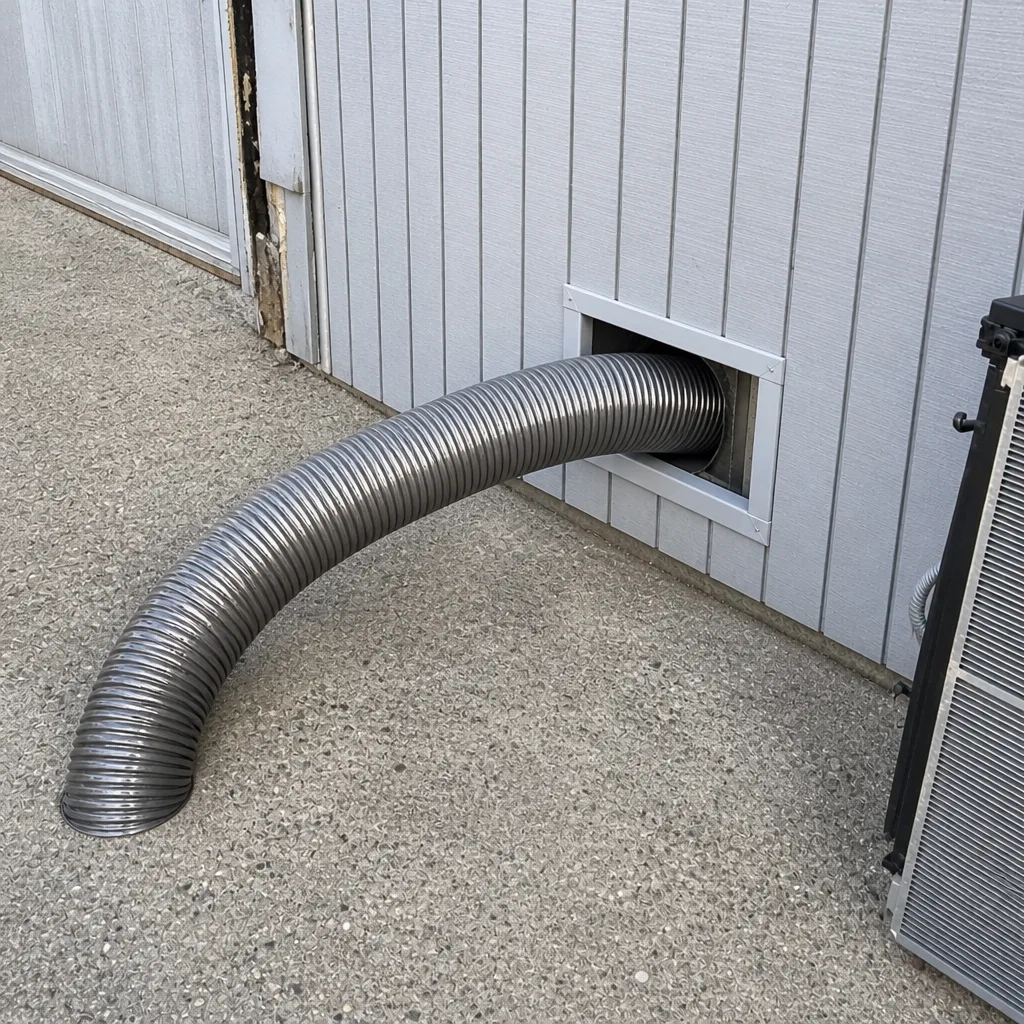
Most homeowners think of dryer vent cleaning as optional housekeeping. It isn’t. Lint is highly combustible, and a clogged dryer vent traps heat and lint in one place. Clogged dryer vents are a leading contributor to residential dryer fires, and the risk climbs quietly as lint builds up out of sight.
The warning signs are easy to miss because they show up gradually:
- Clothes take longer than one cycle to dry
- The dryer feels hot to the touch on top or at the door
- A burning or musty smell during the cycle
- Lint visible around the outside vent flap, or the flap not opening fully
The ductwork that carries dryer exhaust is often long, and it flexes through walls and floors. Lint collects at every bend, and the efficiency of the run drops as it fills. In a city where homes are close together and many share wall assemblies, a vent fire doesn’t stay contained to one unit. Cleaning the dryer vent is the single most direct fire-safety step a homeowner can take on their own appliances.
We treat dryer vent cleaning as a core service on its own, cleaned with the same care and verification as the duct system. If it’s been a while, or you can’t remember the last time it was done, that’s reason enough to have it checked. Our dryer vent cleaning page covers the process. Don’t wait for a smell or a slow cycle to prompt the call.
Post-Cleaning Verification: How to Know the Work Was Done
The hardest part of hiring a duct cleaner is trusting that the work happened, especially when the ducts are out of sight. Verification is how you close that gap. A crew confident in its work will show you the evidence.
Ask for these three checks before the job is considered done:
- A second camera pass. After cleaning, the camera goes back into the main runs. You should see clean duct walls, no matted debris, and no remaining clumps at the plenum.
- An airflow comparison by register. Airflow measured at each register before and after shows whether restrictions were cleared. Numbers that improve tell you the work had an effect.
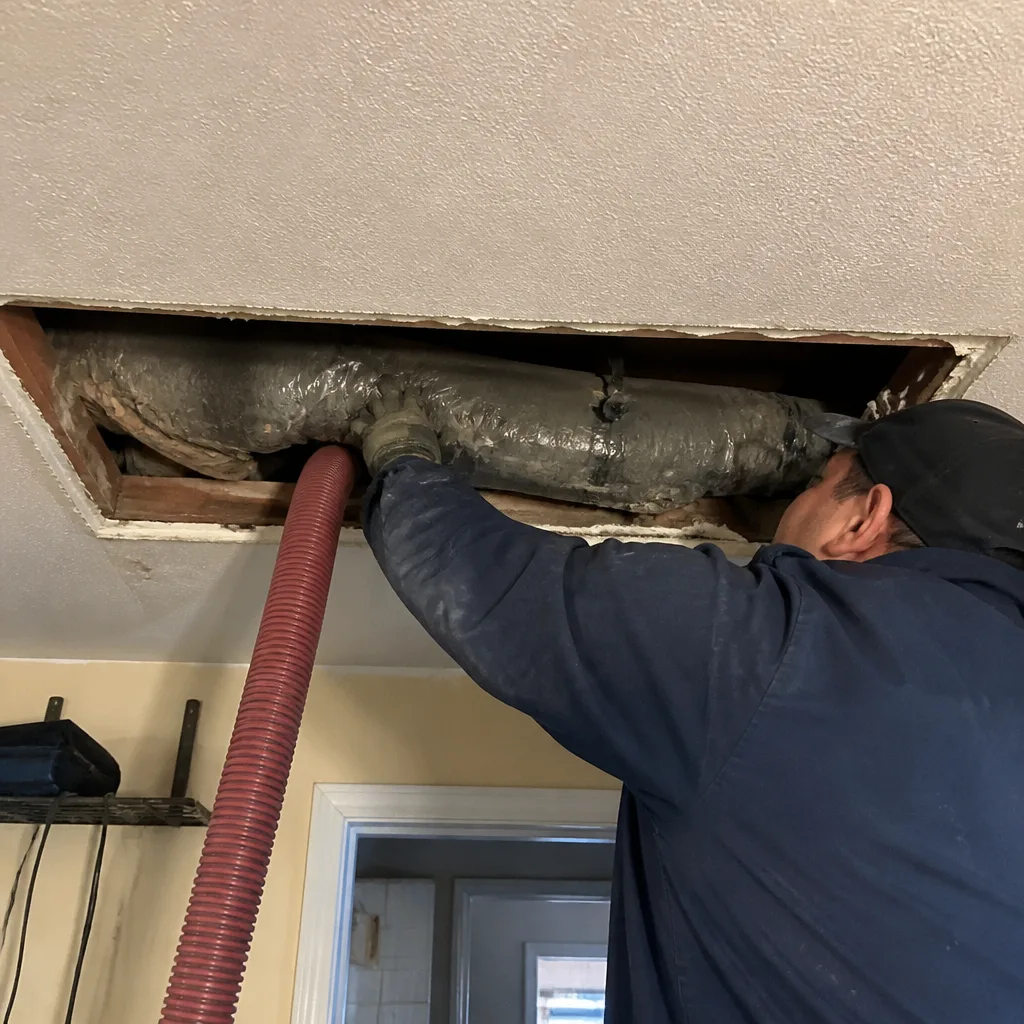
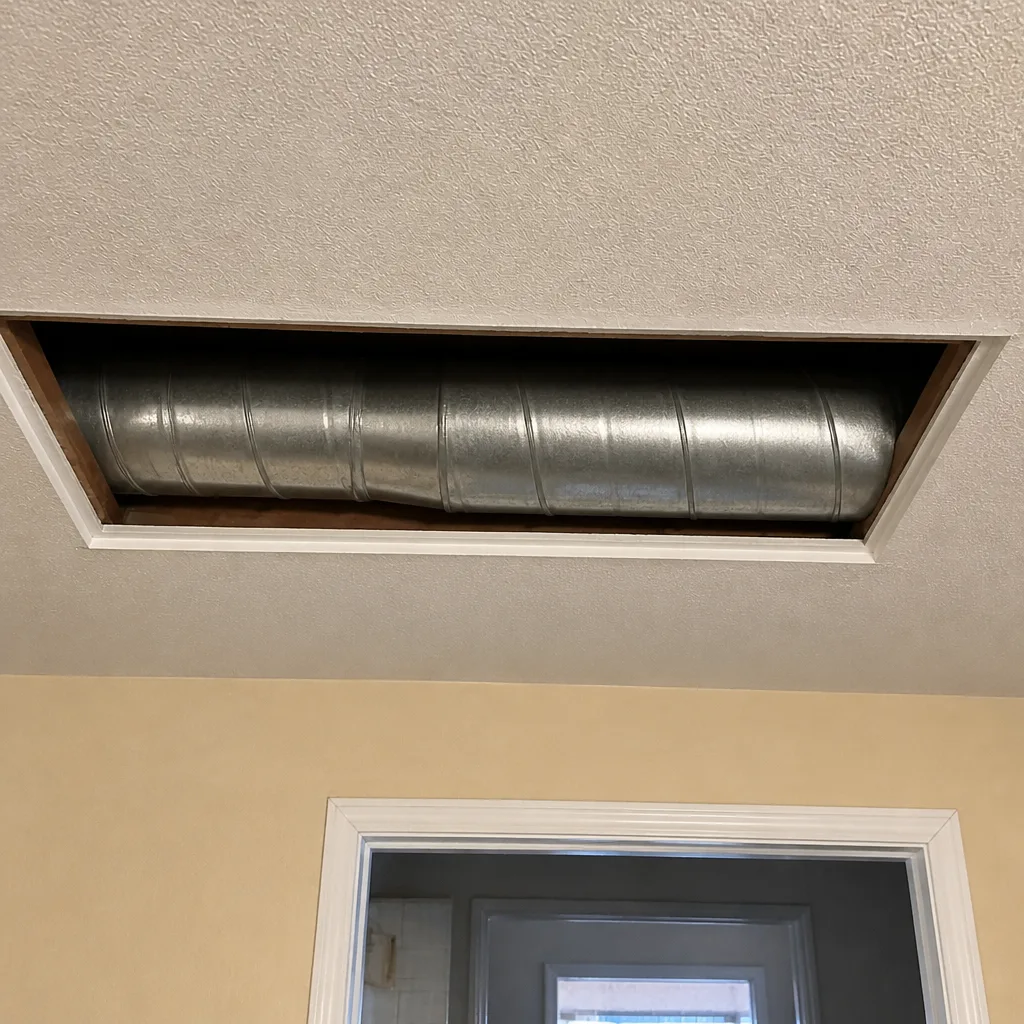
- Before-and-after documentation. Photos of the system’s own ducts, not stock images. You’re entitled to see what your ducts looked like before and after, and a crew that keeps records will gladly share them.
This is the direct answer to the question every homeowner has in the back of their mind: how do I know it was actually done? You ask for the evidence, and you look at it. If a contractor can’t show you a second camera pass or before-and-after photos of your own system, that’s your answer.
One more point on trust. This industry has a reputation problem, built by low teaser prices that balloon into a large invoice once the crew is on site. The way to protect yourself is to insist on one flat price per system, agreed in writing before work starts, with no per-vent pricing and no add-ons discovered mid-job. The written estimate sets the final price. Ask for it in writing and hold to it. That single practice eliminates most of the bait-and-switch risk.
Common Mistakes to Avoid
- Hiring on price alone. The cheapest quote is usually cheapest because the equipment and time are cut. In a damp climate like Daly City’s, a weak machine and a rushed clean leave the moisture problem untouched, and you’re back where you started. Ask what equipment they use before you compare price.
- Skipping the pre-clean inspection. A crew that brushes without a camera scope and static pressure reading is working blind. You can’t verify a job you never scoped, and you may be cleaning around damage that needs repair.
- Cleaning a damaged system. Torn flex duct, disconnected joints, and crushed runs need fixing, not just cleaning. Dust returns to a leaky system fast, so repair should be part of the conversation from the start.
- Accepting a per-vent price. Per-vent pricing invites a low headline number that grows as each register is counted. Whole-system pricing agreed up front is the honest structure, and it’s what you should ask for.
- Never checking the dryer vent. Lint build-up in a dryer run is a fire risk, not a nuisance, and it’s the easiest safety check in the house to overlook. In tightly built Daly City homes, a vent fire can spread beyond one unit.
- Assuming one guide fits every climate. National duct cleaning advice is written for dry inland conditions. Daly City’s fog and marine humidity change what grows in ducts and what it takes to remove it, so advice written for Phoenix may not fit your home.
- Not asking for verification. Without a second camera pass, an airflow comparison, and before-and-after photos of your own ducts, you have no way to confirm the work. Ask for all three before you pay.
See the difference
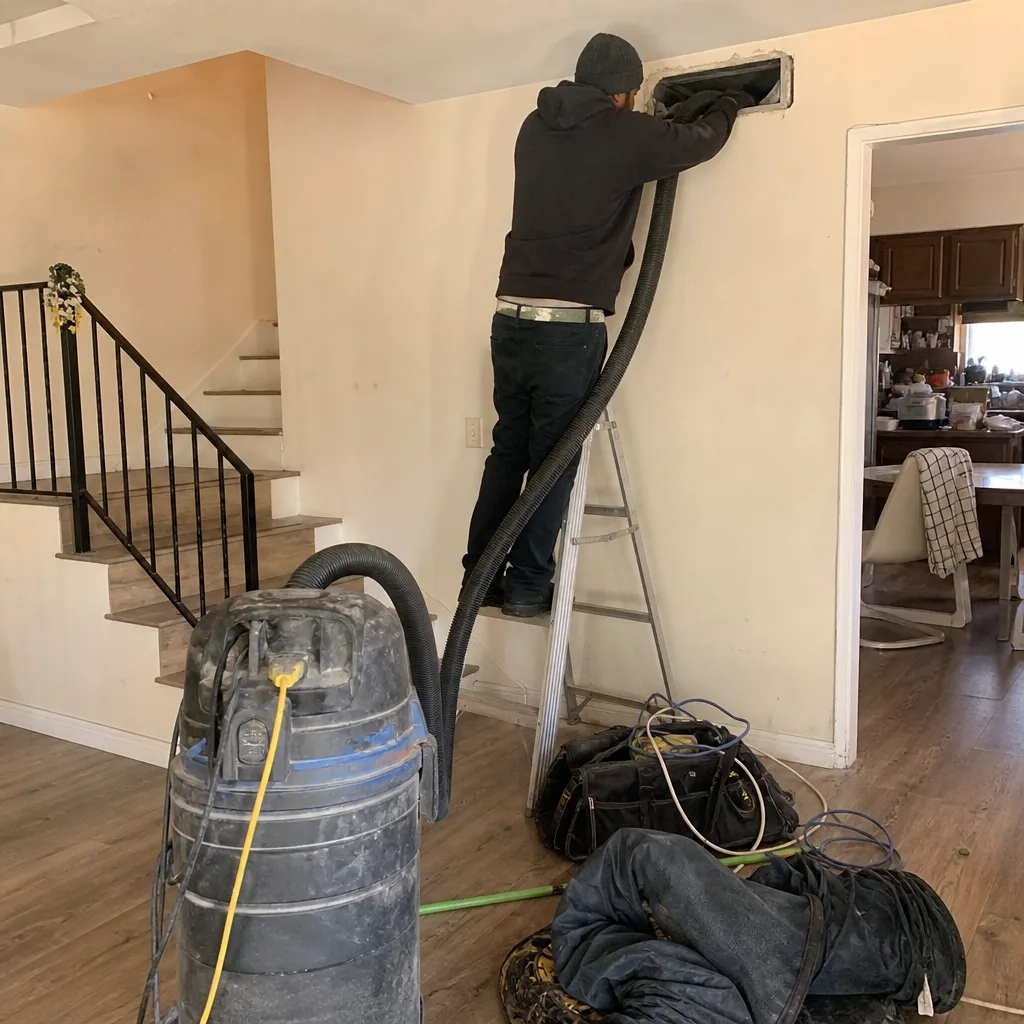 Before
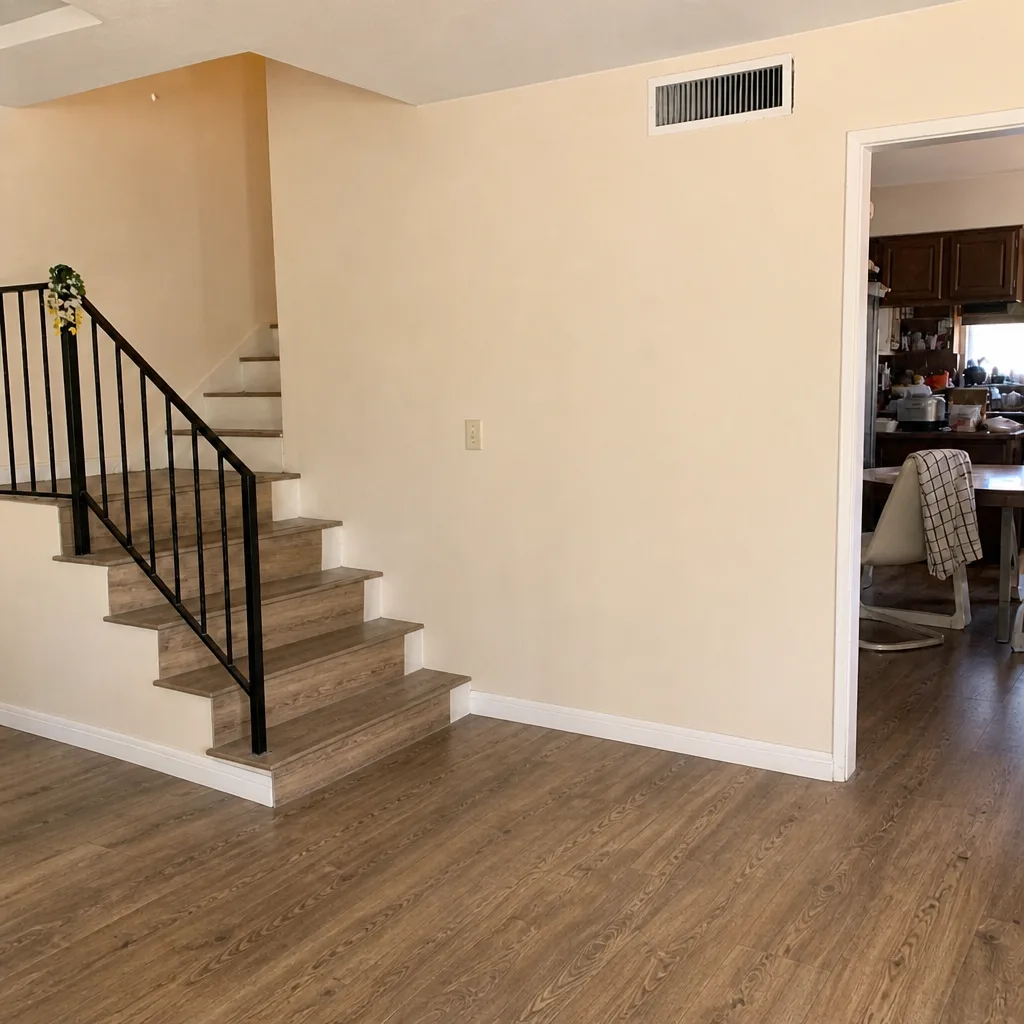 After
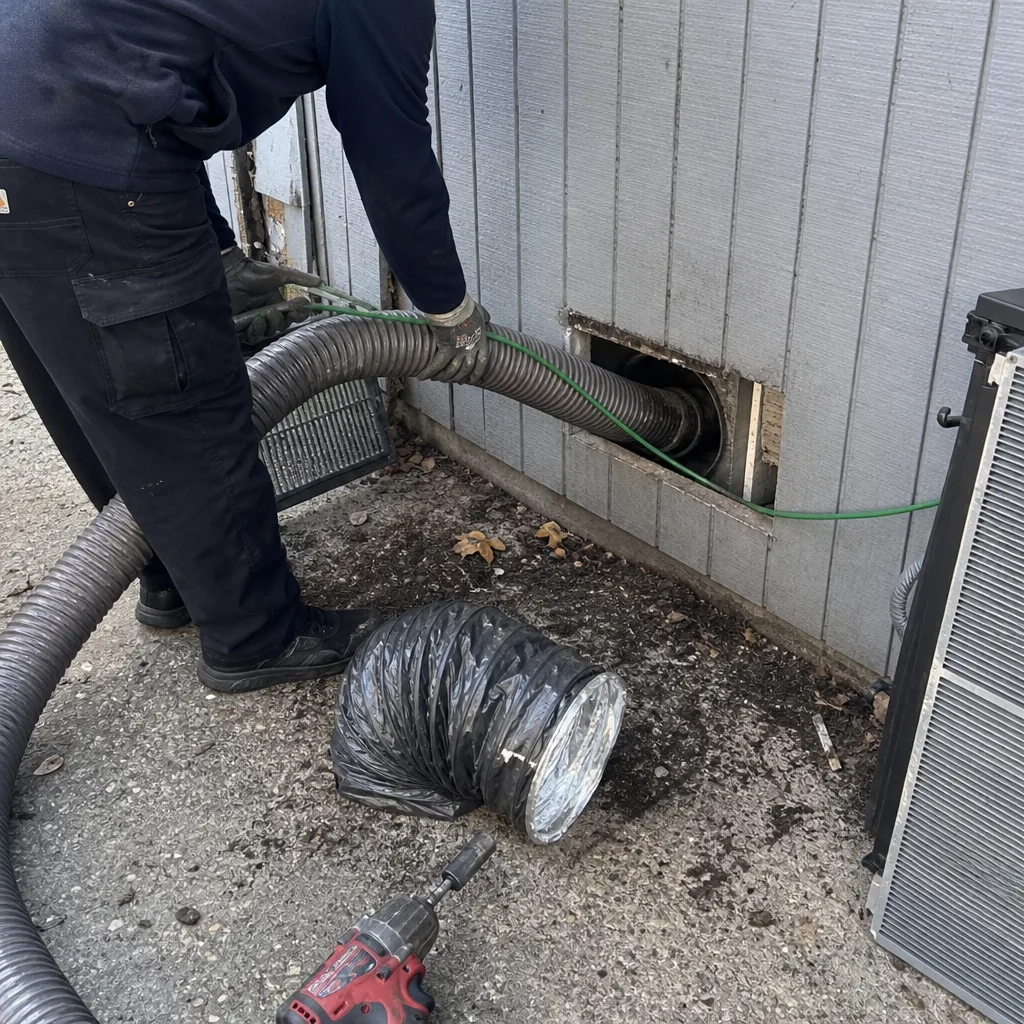 Before
 After
 Before
 After
When to Call a Professional
Some duct problems clear up on their own; most don’t. Call a professional when you notice a musty smell each time the system starts, when allergy or asthma symptoms get worse indoors, after a renovation that kicked up dust, or when you’ve just bought a Daly City home and don’t know the last time the ducts were cleaned. Call if you see clumping debris at the registers, pest evidence near crawlspace duct runs, condensation on duct insulation, or a dryer that takes two cycles to dry. These are signs that need a proper inspection and, likely, real equipment. Duct Cleaning Daly City offers free estimates in Daly City. Call (833) 958-9532. We answer 24/7. Fast dispatch from 7am to 7pm, Sunday through Friday.
Frequently Asked Questions
Air duct cleaning here is priced per system by a written estimate, not by the vent, so the total depends on your home’s size, the number of runs, and any repair work needed. Because Daly City’s damp climate often means compacted debris and moisture issues, a proper clean can take longer than an inland job, and that’s reflected in the estimate. Ask for one flat price per system agreed before work starts. Call (833) 958-9532 for an exact quote; estimates are free.
Cheap quotes usually reflect weaker equipment and less time. A crew using a portable unit and an air whip can’t pull out compacted debris or maintain suction across long multi-story runs, which is exactly what Daly City’s older housing demands. The low number often turns into a bigger invoice once the crew is on site, or leaves you paying twice. Ask what machine they use and insist on one flat price per system in writing. Call (833) 958-9532 to compare a real estimate.
Ask for three things: a second camera pass after cleaning, an airflow comparison by register, and before-and-after photos of your own ducts. A crew that does real work will show you all three. When a contractor can’t produce them, that answers your question. Call (833) 958-9532 and we’ll walk you through what a verified clean includes; estimates are free.
There’s no single number that fits every home, but the local climate pushes the schedule in one direction. Because fog and marine humidity keep duct interiors slightly damp and make debris cling, Daly City homes tend to need attention more often than dry inland homes. Visible clumping at registers, recurring musty smells, and worsening allergies indoors are better signals than a calendar. Have a scope inspection done and let the findings set the schedule. Call (833) 958-9532 for a free estimate.
Yes. Sustained humidity means warm interior air meeting a cool duct surface condenses, leaving a film of moisture that makes dust stick and clump and gives microbial growth a foothold. That’s why the plenum junction and older insulated flex duct are the first places local technicians look. It’s also why strong suction and mechanical agitation matter more here than a light blow-through. If your home smells musty when the system starts, that’s worth a look. Call (833) 958-9532 for a free estimate.
Yes. Dryer vent cleaning is one of our three core services alongside air duct cleaning and duct repair. A clogged dryer vent is a fire risk, and the signs like slow drying, a hot dryer, and lint around the outside flap are easy to miss. It’s cleaned and verified the same way as the duct system. Call (833) 958-9532 for a free estimate.
The Bottom Line
Daly City’s fog and steady marine humidity make its duct problems different from the rest of the Bay Area. Moisture drives debris to compact, growth to concentrate at the plenum, and old flex duct to mat and cling. Fixing that takes real negative-air suction, mechanical agitation, HEPA-level containment, and repair of any damaged runs, not a quick blow-through. Insist on a camera inspection first, one flat price per system in writing, and a second camera pass with before-and-after photos at the end. That combination is how you get ducts that are both cleaner and actually working. The climate here rewards the right method.
If you’re ready to see what’s inside your system, we’re glad to help. Duct Cleaning Daly City offers free estimates in Daly City. Call (833) 958-9532. We answer 24/7. Fast dispatch from 7am to 7pm, Sunday through Friday.
Written by the team at Duct Cleaning Daly City.