
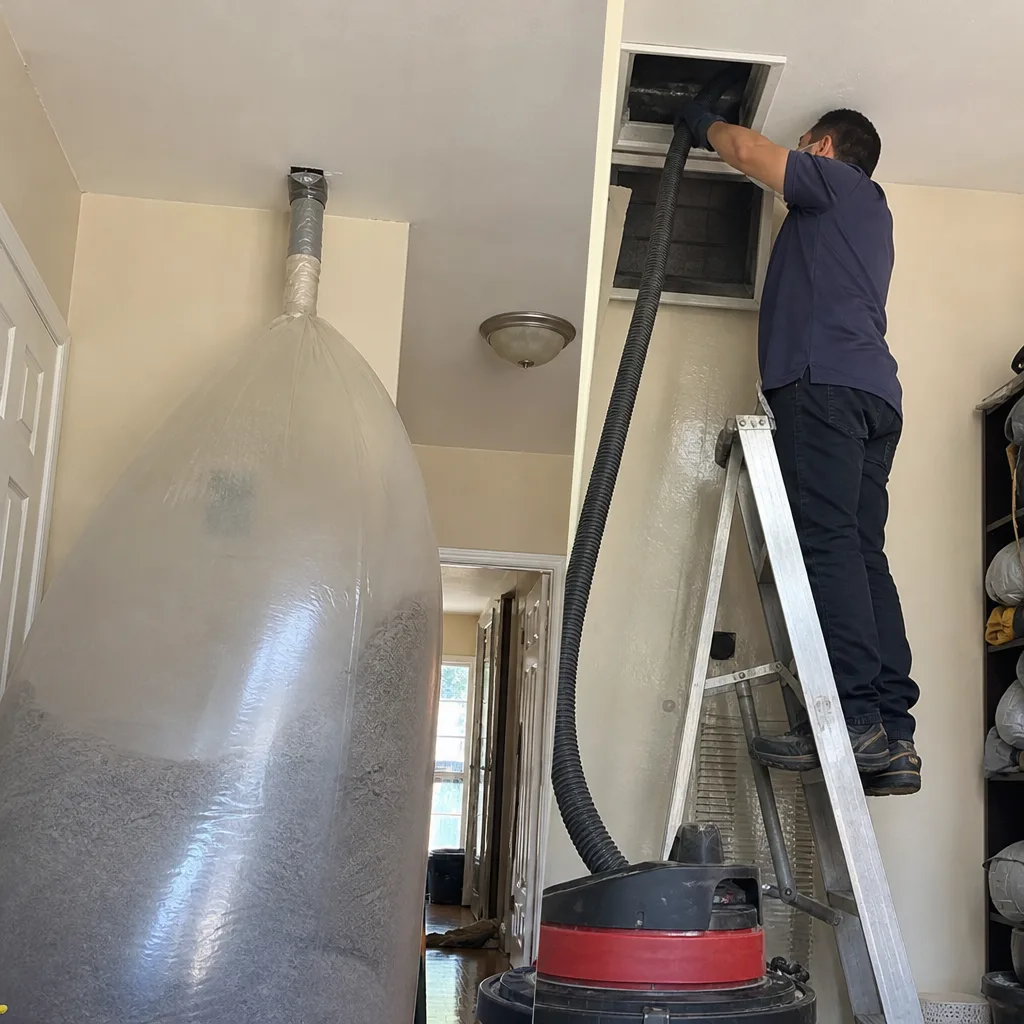
Last updated November 16, 2026
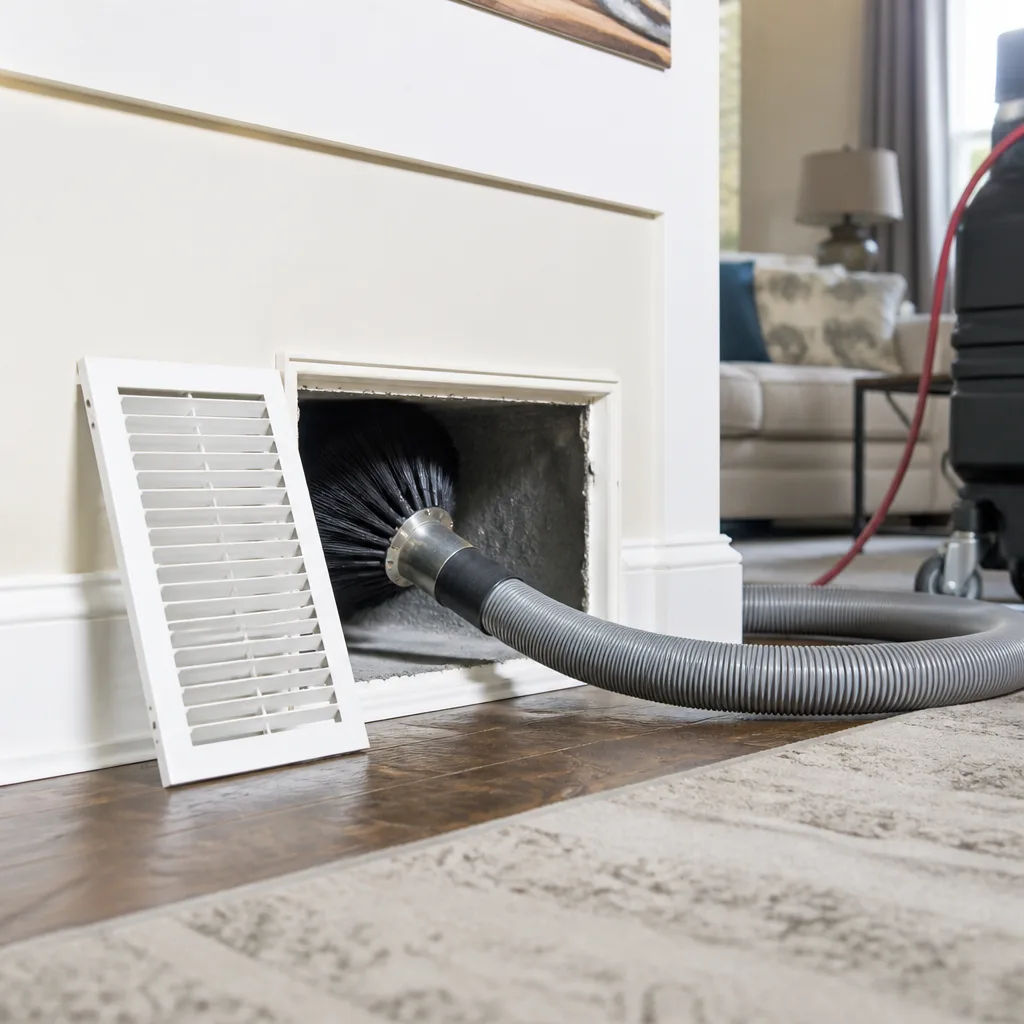 Whole-home duct cleaning
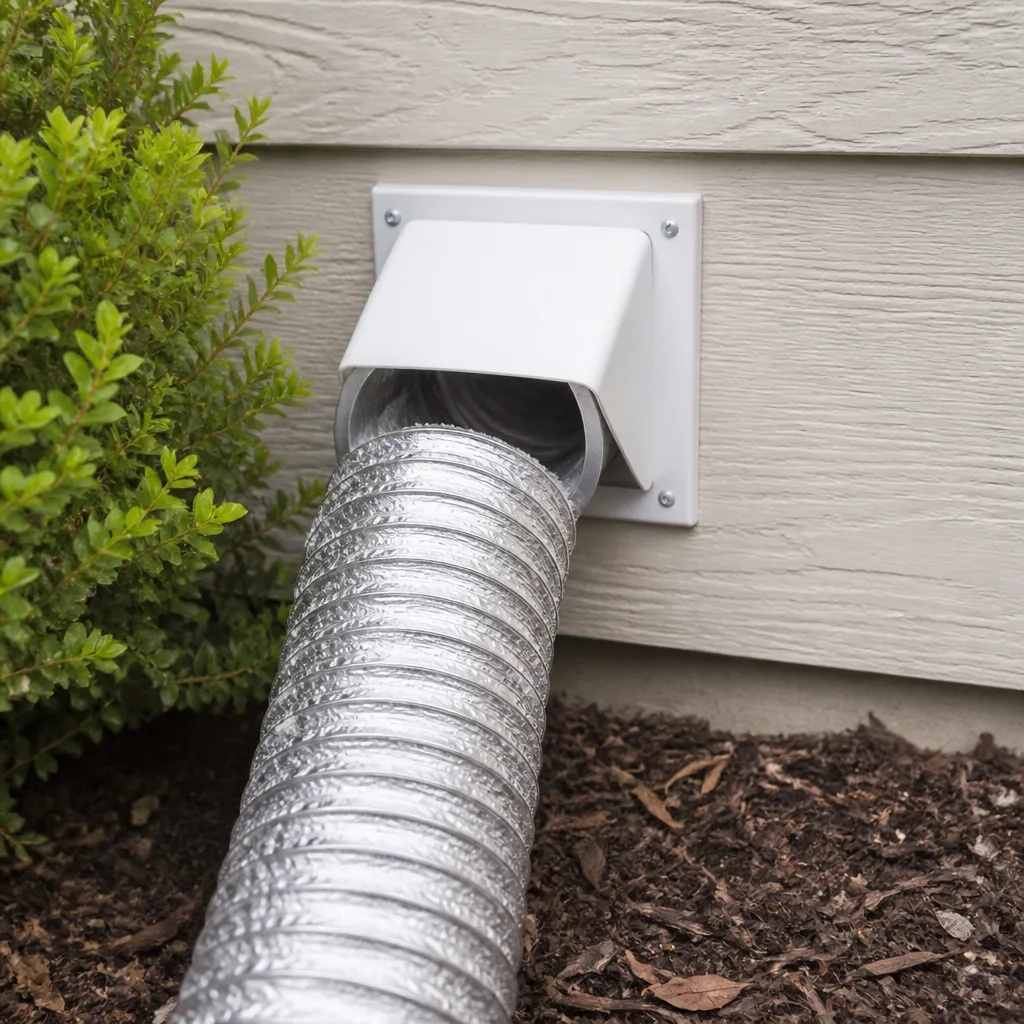 Dryer vent cleaning
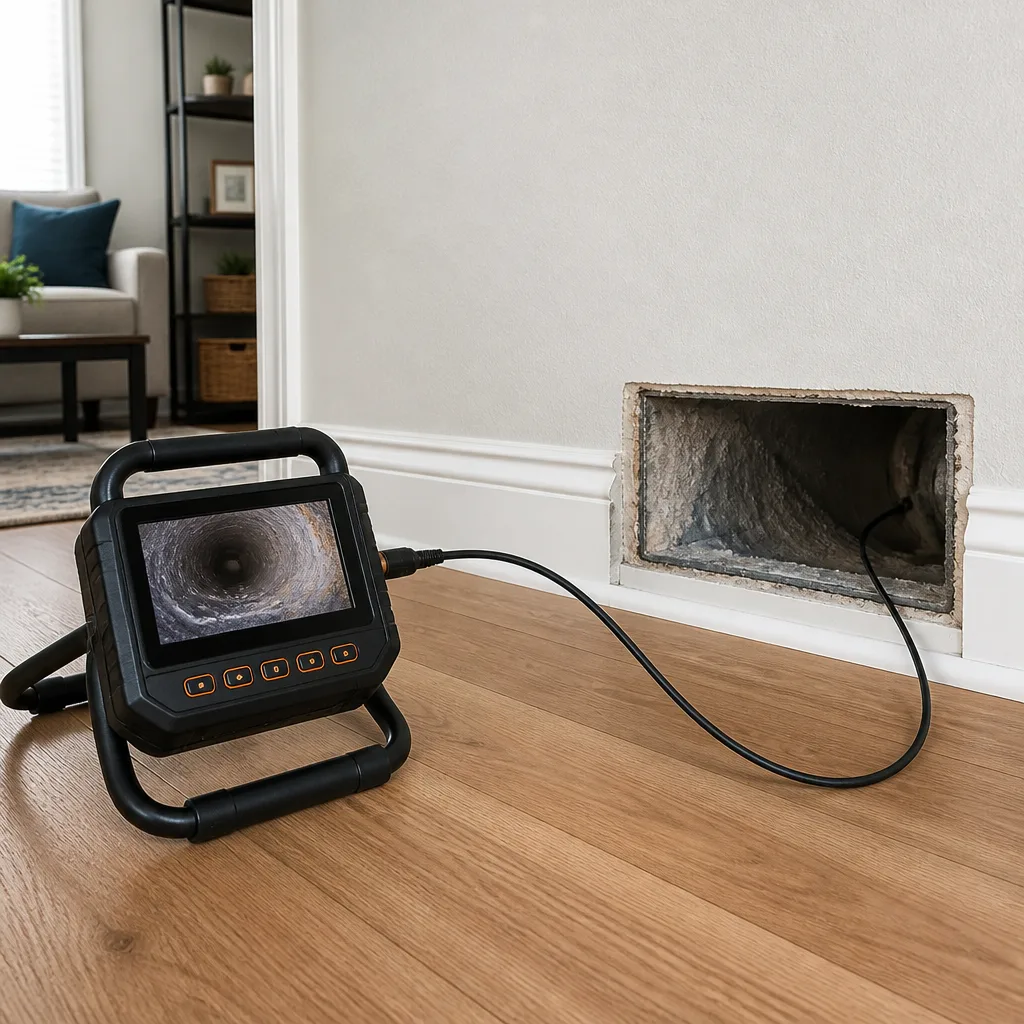 Camera inspection
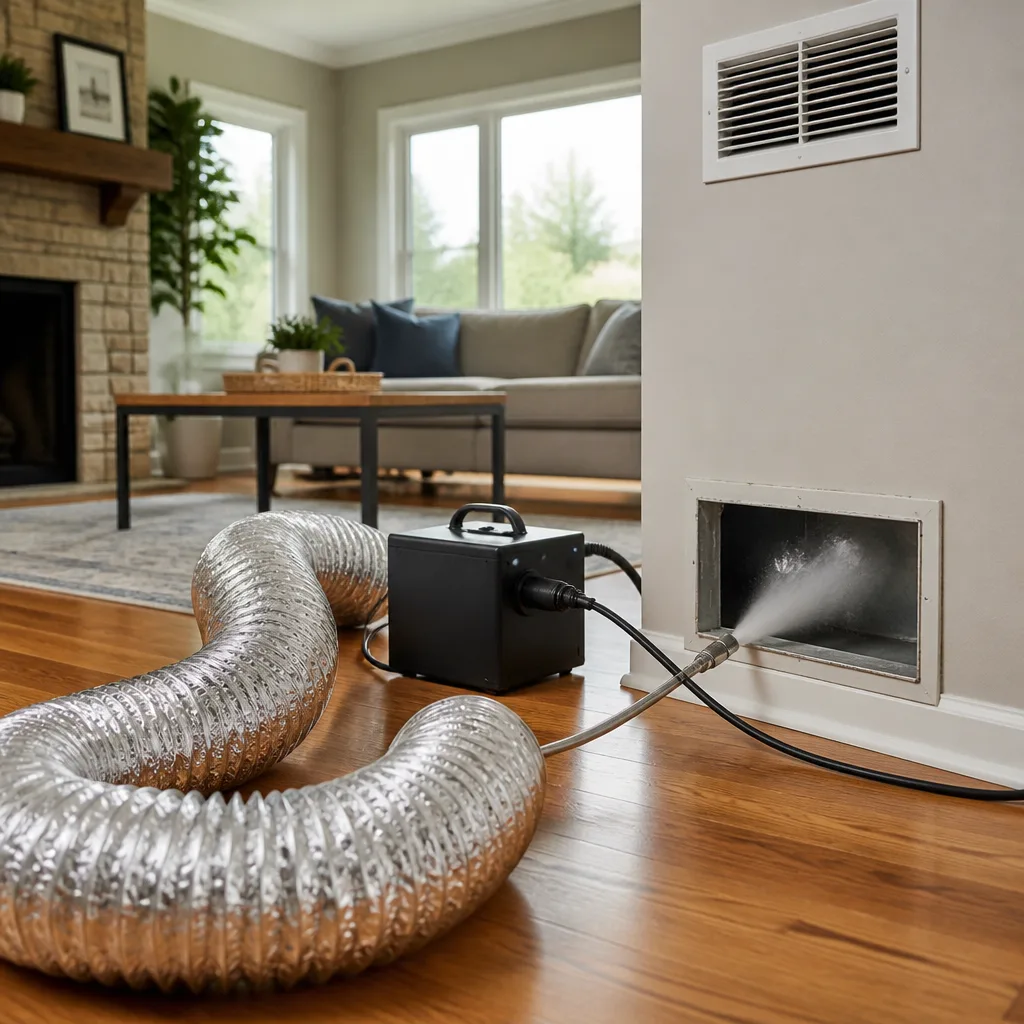 Sanitizing & deodorizing
Whole-system duct and dryer vent check with before-and-after photos - you see exactly what came out of your vents
That "$99 whole-house special" is a bait ad - the real number appears once they are in your hallway, or the "clean" is a shop-vac at the register. We photograph the inside of your ducts before and after instead.
Seasonal Air Duct Cleaning Care for Daly City: Year-Round Homeowner’s Guide
Most seasonal duct maintenance guides were written for a place that gets real summers and real winters. Daly City doesn’t. Our year splits along different lines: a fog season that keeps indoor humidity high well into summer, and a late-summer-to-fall window when wildfire smoke can roll in and change the air outside faster than most homeowners expect. That shift rewrites the maintenance calendar. The tasks that matter here aren’t the ones a national checklist tells you to do. They’re tied to fog, smoke, and the way a Daly City house actually breathes. This guide walks through both stress seasons, the spring and fall tasks that bracket them, and the filter log that tells you when your ducts need attention before you feel it in the air.
Quick Answer
Air ducts in Daly City need attention twice a year, not once: a spring service before fog season to control humidity-driven mold risk, and a post-smoke inspection in late summer or fall if wildfire smoke has pushed the local air quality into unhealthy ranges. A filter log checked monthly and a professional cleaning every few years (more often in smoke years) keeps the system working the way it should. The right schedule follows local weather, not a generic four-season template.
Styles & brands we work with
- Whole-home duct cleaning
- Dryer vent cleaning
- Camera inspection
- Sanitizing & deodorizing
Table of Contents
- Why Daly City Ducts Don’t Follow the Standard Seasonal Calendar
- Fog Season: Late Spring Through Summer
- Wildfire Smoke Season: August Through October
- The Post-Smoke-Event Protocol
- Spring Maintenance Checklist for Fog Season Prep
- Fall Tasks Before the Rainy Season
- How to Keep a Year-Round Filter Log
- Neighborhood Notes: How Housing Type Changes the Job
Why Daly City Ducts Don’t Follow the Standard Seasonal Calendar
Most maintenance calendars assume summer heat and winter cold. Daly City gets neither in the way that pattern describes. The two stress periods here are different: a fog-dominated stretch from late spring into summer that keeps indoor humidity elevated for weeks, and a wildfire smoke window that typically runs from August into October when offshore winds push smoke into the Bay Area. Each one loads your ducts differently, and each one calls for different prep and recovery work.
The fog season matters because humidity is the raw material mold needs. When outdoor air sits at high relative humidity day after day, every return grille and every unconditioned duct run becomes a condensation surface. Insulated duct vapor barriers that were fine in April start showing moisture by June. Drain pans that were dry in February fill faster and stay wet longer. A Daly City homeowner who services the system in October and then ignores it until the following October has skipped the exact months when moisture problems take root.
The smoke season matters for a different reason. Smoke doesn’t just sit in the air outside. A running HVAC system pulls it in through the return and drives it through the duct network. Fine particulates cling to duct linings, and some of that material stays there and off-gasses for weeks after the visible smoke clears. That’s why our air duct cleaning work peaks after smoke events rather than during temperature extremes. The calendar here is built around fog and fire, and once you see it that way the rest of the maintenance decisions get easier.
Fog Season: Late Spring Through Summer
Fog season in Daly City runs roughly from late spring into summer, and its main effect on your HVAC system is sustained humidity. It’s not the heat that causes trouble; it’s the moisture load the system carries for weeks at a time. Mold and mildew need three things: organic dust to feed on, moderate temperatures, and moisture. Duct systems in this climate have all three on a bad year.
The parts of the system most at risk are the ones that stay wet longest. That means the evaporator coil and its drain pan, any insulated flex duct with a torn or compressed vapor barrier, and the return plenum where warm, humid house air passes through before it reaches the equipment. Once mold establishes itself inside a duct lining, no amount of filter changing fixes it. It has to be physically removed.
This is where the equipment matters. We run Rotobrush rotary-brush systems that agitate the duct walls mechanically rather than relying on air pressure alone. That distinction matters in fog season because mold attaches to surfaces. Air alone glides over it. A rotating brush contacts the surface and lifts it, and the Nikro commercial vacuum pulls the loosened material into containment. Our technicians have up to 10 years of experience and use Abatement Technologies containment equipment to keep particulate from migrating into living space during the clean.
What fog season prep looks like in practical terms:
- Run the fan on a low setting periodically to keep air moving through the system instead of letting it sit humid and still
- Check the drain pan and drain line monthly; standing water is the first sign of trouble
- Look at insulated duct runs for compressed or torn vapor barriers; any gap lets humid air condense inside the insulation
- Keep return grilles clear of furniture and stored items so the system isn’t pulling air through closed-off spaces
- Book a professional cleaning before the season starts, not after the mold has colonized
One thing we hear often: “It’s just fog, it can’t be that bad.” But fog means sustained high humidity, and sustained high humidity is exactly what a duct system isn’t designed to handle for months on end.
Wildfire Smoke Season: August Through October
When a large fire burns to the north or east and the wind shifts, air quality in Daly City can go from Good to Hazardous in a matter of hours. That’s not an exaggeration for anyone who’s lived through a bad fire year. And when that happens, the question is what your HVAC system is doing while the air outside is thick with smoke.
Many people assume the system protects them. Sometimes it does, if it’s set up correctly and the filter is up to the job. Often it doesn’t. A running system with a standard filter pulls smoke in through the return, and the fine particulates that get past the filter lodge in duct linings, on the blower wheel, and on the coil. Once they’re in the system, they stay there. The smell of smoke can linger in a home for weeks after the outside air clears, and the source isn’t always furnishings; it’s often the duct network holding the residue.
If wildfire smoke is affecting Daly City air quality, here’s the sequence we recommend:
- Close windows and doors, and set the system to recirculate rather than pulling in outside air.
- Upgrade to a filter rated for smoke and fine particulate, not just dust. Ask for MERV 13 or higher only if your system’s blower can handle the added static pressure; an undersized blower pushing too dense a filter will strain the motor. If you’re not sure, ask.
- Run the fan continuously during the smoke event so filtered air keeps cycling, rather than cycling on and off.
- Shut the system down entirely if the smoke is extreme and you can’t filter it effectively; better to seal the house and let the ducts sit than to pump smoke through the system.
- Once the smoke clears, book a professional inspection and cleaning if the event ran more than a day or two, or if you can smell smoke indoors after windows have been open.
For homeowners with allergy or asthma concerns, the smoke season is the stretch where the duct system’s condition shows up in how you feel. A system that’s carrying old particulate into the house every time it cycles is doing more harm than a system that’s simply dirty.
Smoke Versus Dust: Choosing the Right Filter
Standard dust filtration and smoke filtration aren’t the same thing. A basic pleated filter in the MERV 8 range catches larger dust and pollen but lets most smoke particles straight through. For smoke you need a filter that captures fine particulate in the 2.5 micron range and below. The catch is pressure drop: a denser filter restricts airflow, and older systems with a modest blower may not tolerate the restriction. This is where working with a system that can be upgraded matters. We work with Honeywell and Aprilaire air-quality products, which lets us match a filter to the system rather than just dropping in a higher number and hoping the motor copes. If the existing filter cabinet won’t take a high-MERV filter of the right size, an upgrade might be the answer.
The Post-Smoke-Event Protocol
The days after a smoke event are when the most consequential decisions get made, and most homeowners make them without thinking about the duct system at all. Here’s the sequence we recommend after any significant smoke incursion in Daly City.
- Ventilate once the outside air is clean. Open windows and run bathroom and kitchen exhaust fans for a few hours to flush out what’s in the air. This does not clean the ducts, but it resets the indoor air.
- Assess by smell. If the house still smells like smoke after 24 to 48 hours of ventilation, the residue is somewhere. Often it’s in soft furnishings and occasionally in the duct lining.
- Inspect the filter. A filter that loaded up during the smoke event is spent. Replace it, and note the date in your filter log.
- Check the coil and blower. If you can access the indoor coil compartment safely, a visual check for soot or heavy discoloration is useful. Don’t put your hands into electrical or blower sections; that’s a job for a technician.
- Schedule a professional inspection. We use Abatement Technologies containment during any post-smoke cleaning because the particulate being removed is fine and easily disturbed. Bringing it under containment means it leaves the house rather than redistributing into the air.
One more note for older homes in Daly City: the duct systems in mid-century housing often have more leaks at the seams and boots than newer construction. Those leaks are how smoke finds its way in even with the system turned off. A post-smoke inspection often turns up leaks worth sealing, which is where our Daly City duct repair work comes in. A repaired system holds its pressure better and keeps outside air where it belongs.
Spring Maintenance Checklist for Fog Season Prep
Spring, before the fog settles in for the summer, is when you take the steps that prevent moisture problems from starting. Work through this list before the humidity season arrives.
- Inspect and clean the drain pan. Look for standing water, slime, or rust. If the pan has a slope problem or a clogged drain line, fix it before summer. A drain that works in April may not in August when the coil is running more.
- Check insulated duct vapor barriers. Anywhere flex duct runs through attic space or exterior walls, the outer vapor barrier needs to be intact. A compressed, torn, or separated barrier is the single most common condensation failure point in this climate. Seal or replace it as needed.
- Verify supply and return grilles aren’t obstructed. Furniture gets rearranged over winter. A sofa pushed against a return grille starves the system and forces it to work harder. Walk the house and confirm every grille has clearance.
- Replace the filter and log the date. A fresh filter entering fog season starts the system in a better state and gives you a clean baseline for your pressure-drop records.
- Look at the coil. If it’s accessible without opening electrical or blower compartments, a visual check for dust loading is worth doing. A heavily loaded coil in a humid climate breeds biological growth quickly.
- Test the system before the season. Run the system through a full cooling cycle while the weather is still mild. If anything is underperforming, you have time to fix it before the heavy-use weeks arrive.
One thing we’d add: spring is also a good time to think about whether a whole-home filtration upgrade makes sense. If your filter cabinet is old or undersized for the size of house, an Aprilaire or Honeywell-compatible cabinet upgrade improves the whole system’s ability to handle the summer and fall loads.
Fall Tasks Before the Rainy Season
Fall in Daly City is the bridge between smoke season and the rainy stretch. The aim is to get the duct system into a state where weather won’t cause problems through the wet months. Condensation risk in unconditioned space is the main theme.
- Inspect duct runs near exterior walls. As nighttime temperatures drop, the temperature difference between the duct and the space around it grows, and condensation forms on the coldest surfaces. Duct runs that pass through exterior wall cavities or near garage walls are the first places to look.
- Check attic duct insulation. Ducts in an unconditioned attic get cold overnight. If the insulation is torn or compressed, dew point issues will follow. Repair or replace any compromised runs.
- Confirm the system drains properly. The cooling coil produces condensate year-round here, but the rainy season adds humidity load even at lower temperatures. A drain line that’s been partly clogged all summer is a problem waiting to flood.
- Replace the filter post-smoke-season. Whether or not you had a major smoke event, fall is a sensible time to change the filter, given that the system has just been through the heaviest particulate season of the year.
- Have a professional duct inspection. If your filter log shows rising pressure drop despite regular filter changes, that’s a sign the ducts themselves are loaded and the problem isn’t the filter at all.
- Book dryer vent cleaning before cold weather. The rainy season doesn’t change dryer use much, but lint buildup accumulates year-round and cold weather means more indoor laundry. Dryer vent cleaning is one of our core services because a clogged vent is a fire risk, not a maintenance afterthought.
How to Keep a Year-Round Filter Log
Your filter log is the cheapest diagnostic tool available for your HVAC system, and almost nobody keeps one. The idea is to record the filter’s condition and, if you want to go further, the pressure drop across it.
Here’s a practical log format:
- Date installed: the day each new filter goes in
- Filter type and MERV rating: so you can compare apples to apples across the year
- Days until visibly loaded: the number of days between install and the point where the filter needs replacement. If this number is shrinking, the system is loading up faster than it used to
- Pressure drop reading (optional): if you have a manometer or a rule-of-thumb gauge, record the pressure drop across the filter at install and monthly. A number that climbs faster than usual, or reaches the system’s rated limit sooner, is a sign the system is working harder than it should
- Notes on weather events: whether a smoke event, heavy fog stretch, or remodel happened during that filter’s life
The pressure-drop reading is the most useful line in the log for a reason. When the filter is restricting airflow more than usual, the blower runs longer and harder, and if the filter is clean but the number is still rising, the blockage isn’t in the filter. It’s downstream, in the ducts themselves. That’s your earliest warning that a professional cleaning is overdue. Our Duct Cleaning Daly City visits start with a system assessment because the equipment needed depends on what the reading is telling you.
We don’t expect every homeowner to buy a manometer. A simple rule-of-thumb log tracking install date and days-to-loaded is enough to spot the pattern. If your filters used to last three months and now they’re getting dark in five weeks, that shift is a signal. And if the log has gone muddy and you’re not sure what to do with it, that’s a fine reason to call and get a professional read on the system.
Neighborhood Notes: How Housing Type Changes the Job
Daly City housing stock varies enough that the same seasonal guide translates differently depending on where you are. The hillside neighborhoods with older mid-century homes tend to have duct systems that run long distances through unconditioned crawl or attic space, which is where the vapor-barrier issues in fog season get serious. Flatter areas with more recent construction often have tighter duct systems that hold pressure better but can be harder to inspect without professional camera equipment. Row-style housing may share wall cavities with neighbors, and duct runs that cross those walls have their own condensation pattern that generic guides never cover.
The seasonal timing stays the same across Daly City. What changes is what a technician looks for on arrival. That’s why our dryer vent cleaning and duct work is scheduled per job rather than per template. Every house has a slightly different exposure profile depending on where it sits, how it’s built, and which way it faces.
Common Mistakes to Avoid
- Following a national seasonal checklist. A guide written for a climate that gets snow and real summers tells you to service the system in spring and fall, but the seasons that matter here are fog and smoke. Use a Daly City-specific schedule or you’ll service at the wrong times.
- Skipping the drain pan during fog season. Most homeowners never look, but the drain pan is the first place humidity problems show. A clogged line that goes two weeks without attention can flood the unit casing.
- Buying a higher-MERV filter without checking pressure drop. A MERV 13 filter is great for smoke, but if it chokes the blower on an older system it does more harm than good. Match the filter to the equipment.
- Running the system during a smoke event without recirculating. Pulling outside air through the system during a smoke event drives particulates straight into the ducts. Always switch to recirculate first.
- Ignoring duct leaks in older homes. A leaking return in the attic space pulls unfiltered air into the system every time it runs, and in this climate that air carries moisture and, in smoke season, particulate. Sealing leaks is often as consequential as cleaning.
- Not keeping a filter log. Without the data, you can’t tell whether the system is loading up faster than it should, and you find out about a problem only after it’s affecting the air quality.
- Skipping the dryer vent. Long run times and slow drying habits build up over years, and lint in the vent is a fire risk. Dryer vent cleaning is a core service for us, not an add-on.
See the difference
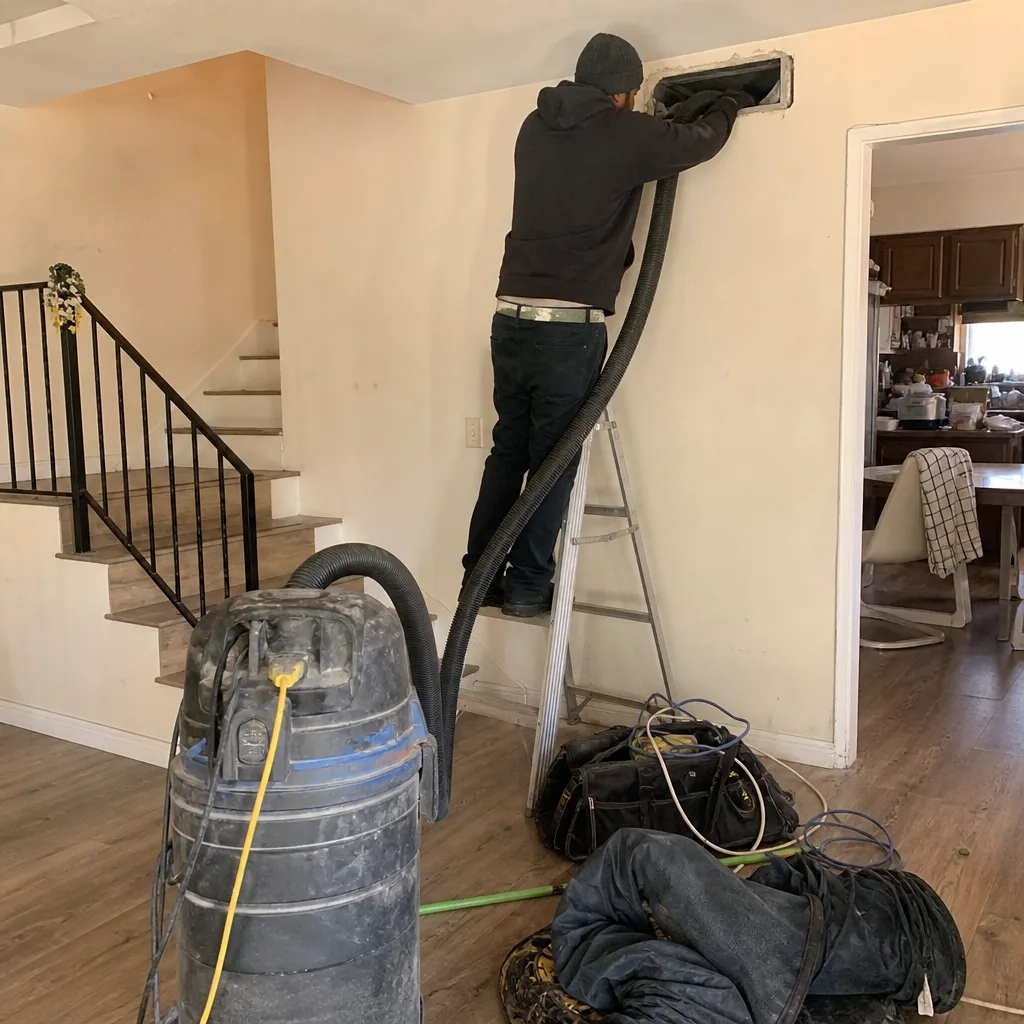 Before
 After
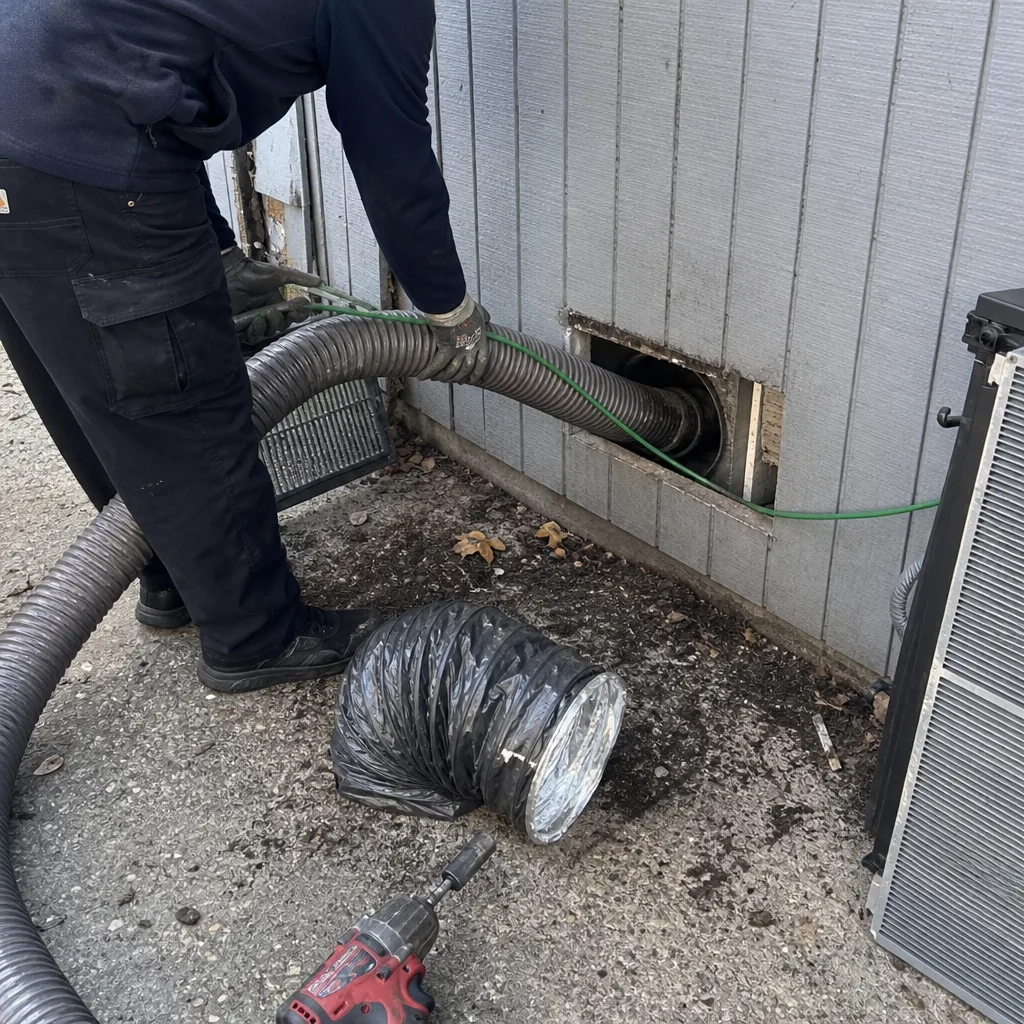 Before
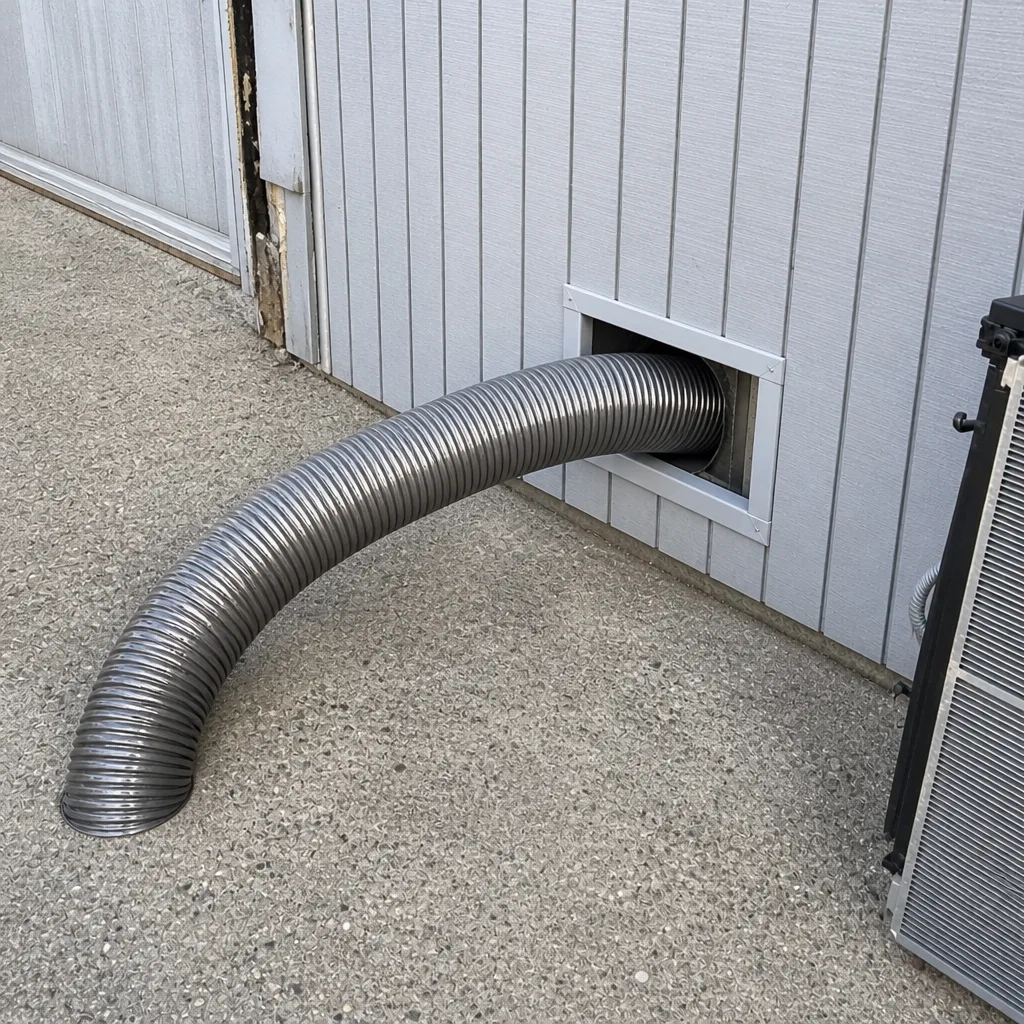 After
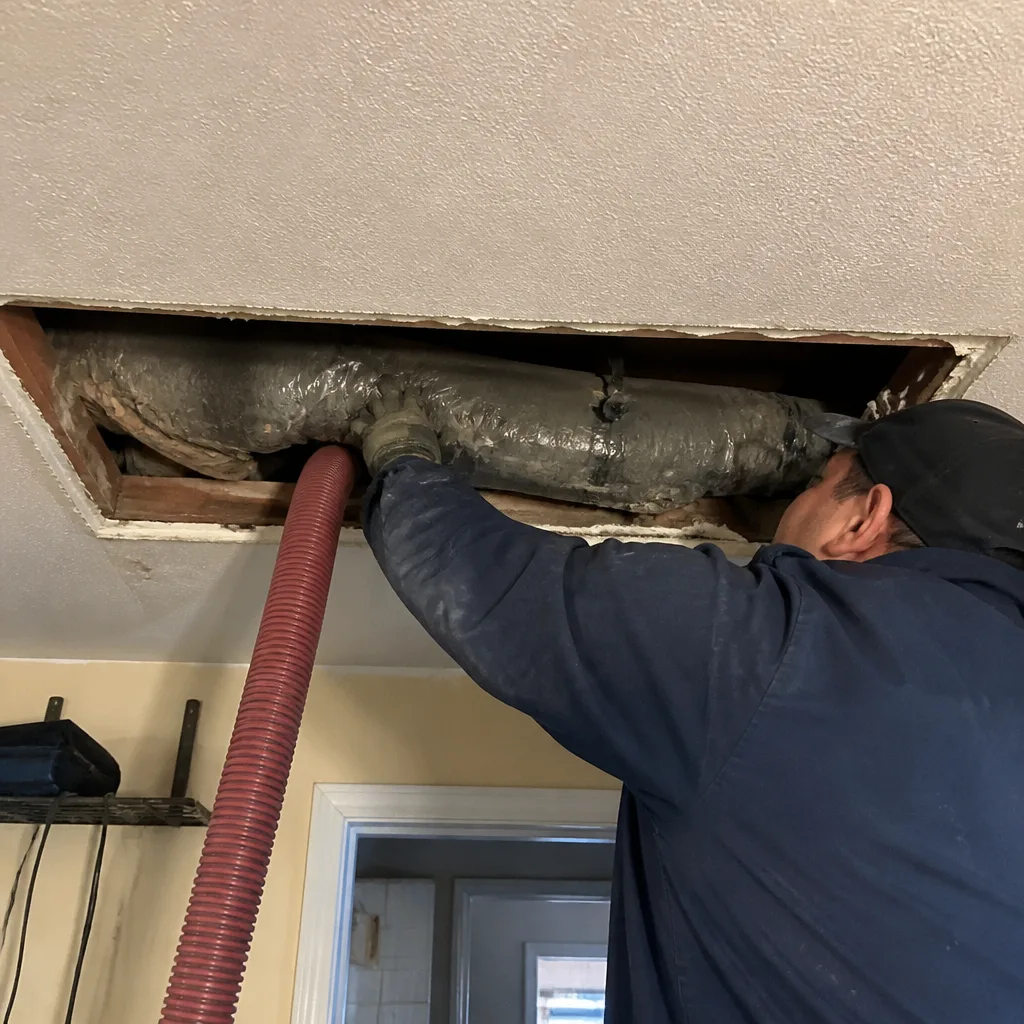 Before
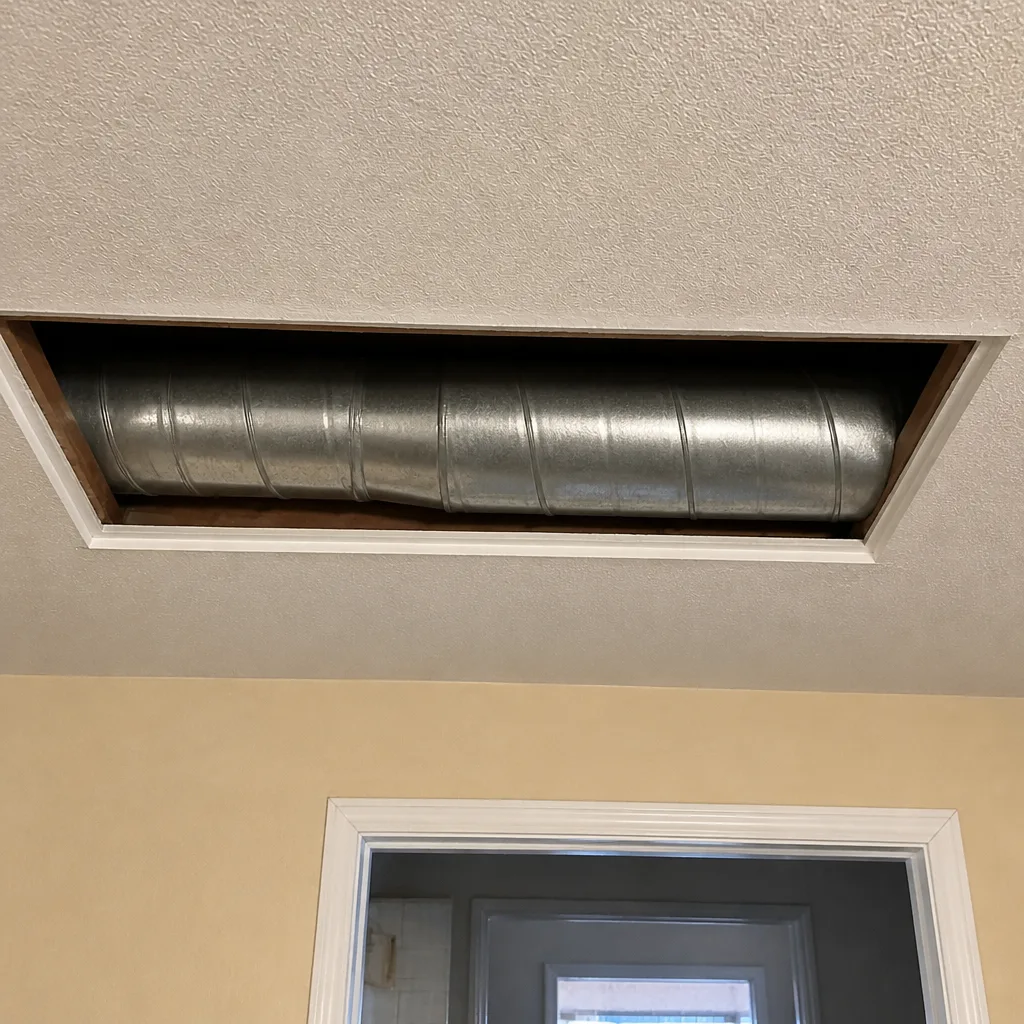 After
When to Call a Professional
Some checks are homeowner tasks. Others need professional equipment. Call a professional if you can smell smoke or mustiness indoors more than a few days after the outside air is clean, if your filter log shows filters loading up faster than usual, if you see visible dust streaking at the supply grilles, if the unit is producing water outside the drain pan, or if a smoke event has passed over Daly City and the house hasn’t smelled right since. Our technicians have up to 10 years of experience and use Nikro and Rotobrush equipment to agitate and extract duct debris, not just blow air through it. Duct Cleaning Daly City offers free estimates in Daly City. Call (833) 958-9532. We answer 24/7. Fast dispatch, 7am-7pm, Sunday through Friday. One flat price per system is agreed before work starts, and we show before-and-after photos of the ducts we cleaned.
If you’re an allergy or asthma sufferer, or you’ve just finished a remodel, the argument for a professional inspection gets stronger. Abatement Technologies containment keeps particulate from migrating into the living space during the clean, which matters more for smoke residue and post-renovation dust than for ordinary dust.
Frequently Asked Questions
Every three to five years for the average Daly City home, and more often if you’ve been through a significant wildfire smoke season. A house that’s been occupied through two or three smoke events in a short span often needs servicing on a shorter cycle. The filter log is your best guide: if filters load up faster than they used to, the ducts themselves are probably loaded. Call (833) 958-9532 for an exact quote; estimates are free.
Fog itself doesn’t damage ducts, but sustained high humidity – which fog season in Daly City delivers for weeks – creates the conditions for mold growth and condensation problems. The parts of the system most at risk are drain pans, vapor barriers on insulated duct, and the coil. Regular spring maintenance before the season starts is the best defense. If your system hasn’t been serviced in a while and the house smells musty, call us for an inspection.
Close windows, set the system to recirculate, upgrade to a filter rated for fine particulate (MERV 13 or higher, if your blower can handle it), and run the fan continuously. In extreme smoke events, shut the system down and seal the house. After the smoke clears, ventilate and book a professional inspection if the smell lingers. A professional duct cleaning may be needed if the system absorbed significant particulate.
We price the whole system as a single job rather than quoting a per-vent price, and the written estimate sets the final cost. Because pricing depends on the size of the system, the number of runs, and the condition of the ducts, the estimate is the only number that means anything. Cheap teaser prices that balloon on-site are exactly what we’re built to avoid. Call (833) 958-9532 for a free estimate.
Cheap quotes often reflect basic equipment that blows air through the system rather than physically agitating and extracting debris. A rotary-brush system like Rotobrush and a commercial vacuum like Nikro do work that a shop vac and an air whip can’t reproduce. We use the same class of equipment restoration professionals rely on. The other common reason for a low quote is per-vent pricing that expands once the technician is on site; we quote per system, before work starts. Call (833) 958-9532 for a written estimate.
We show before-and-after photos of the ducts we cleaned. Between the photos and the equipment you’ll see set up on the job, you know what got done and where. If anything doesn’t look right, ask before the job is wrapped. Call (833) 958-9532 if you’d like to talk through what a standard job includes.
The Bottom Line
Daly City’s duct stress calendar looks nothing like the seasonal guides written for snow and heat. The fog season from late spring into summer carries the moisture load, and the wildfire smoke season from August into October carries the particulate load. Spring prep means drain pans, vapor barriers, and grille clearance. Fall prep means condensation inspections near exterior walls and attic duct runs. A filter log checked regularly tells you when the system is working harder than it should, and that’s your earliest signal that the ducts need professional attention. Ducts that are cleaned on this schedule and repaired where leaks exist do a better job keeping indoor air where you want it. Call (833) 958-9532 for a free estimate. We answer 24/7. Fast dispatch from 7am to 7pm, Sunday through Friday. One flat price per system is agreed before work starts, and we back up the clean with before-and-after photos of your own ducts.
Written by the team at Duct Cleaning Daly City.