
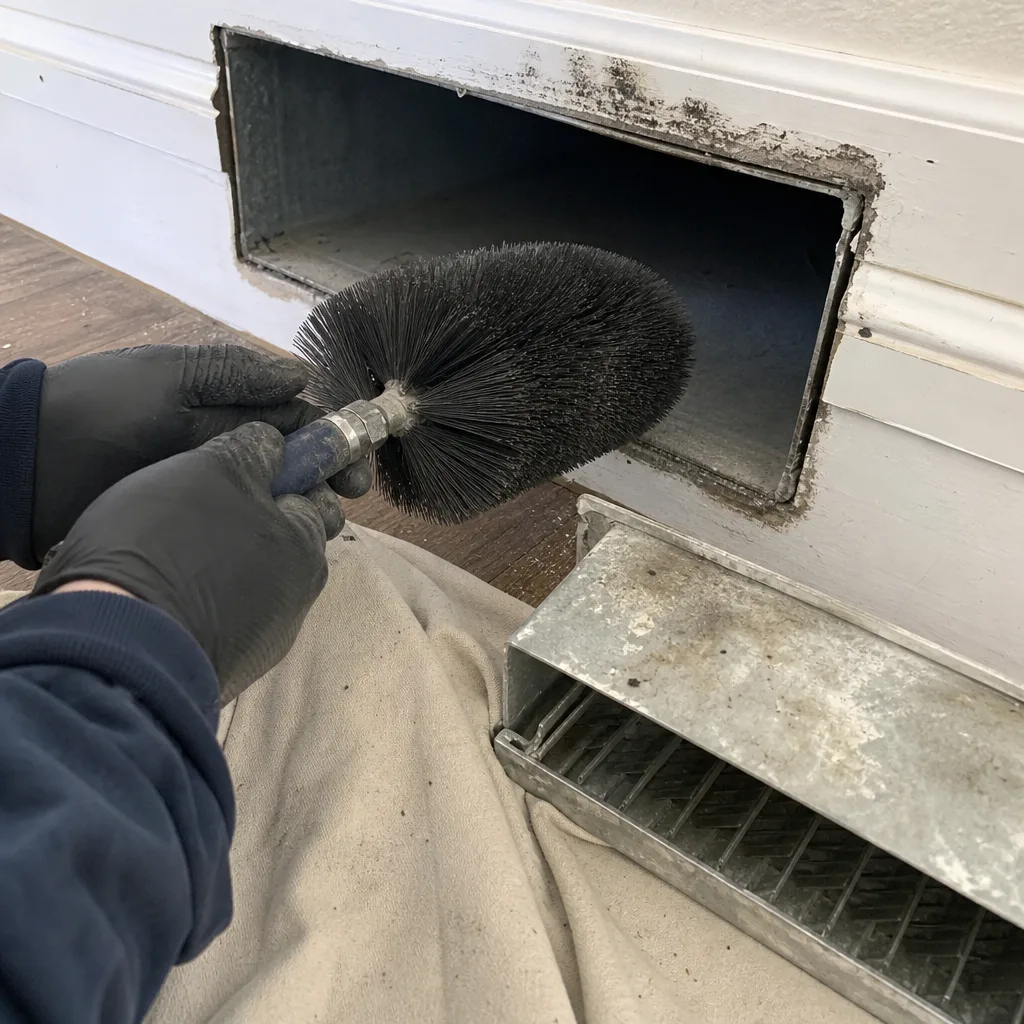
Last updated November 16, 2026
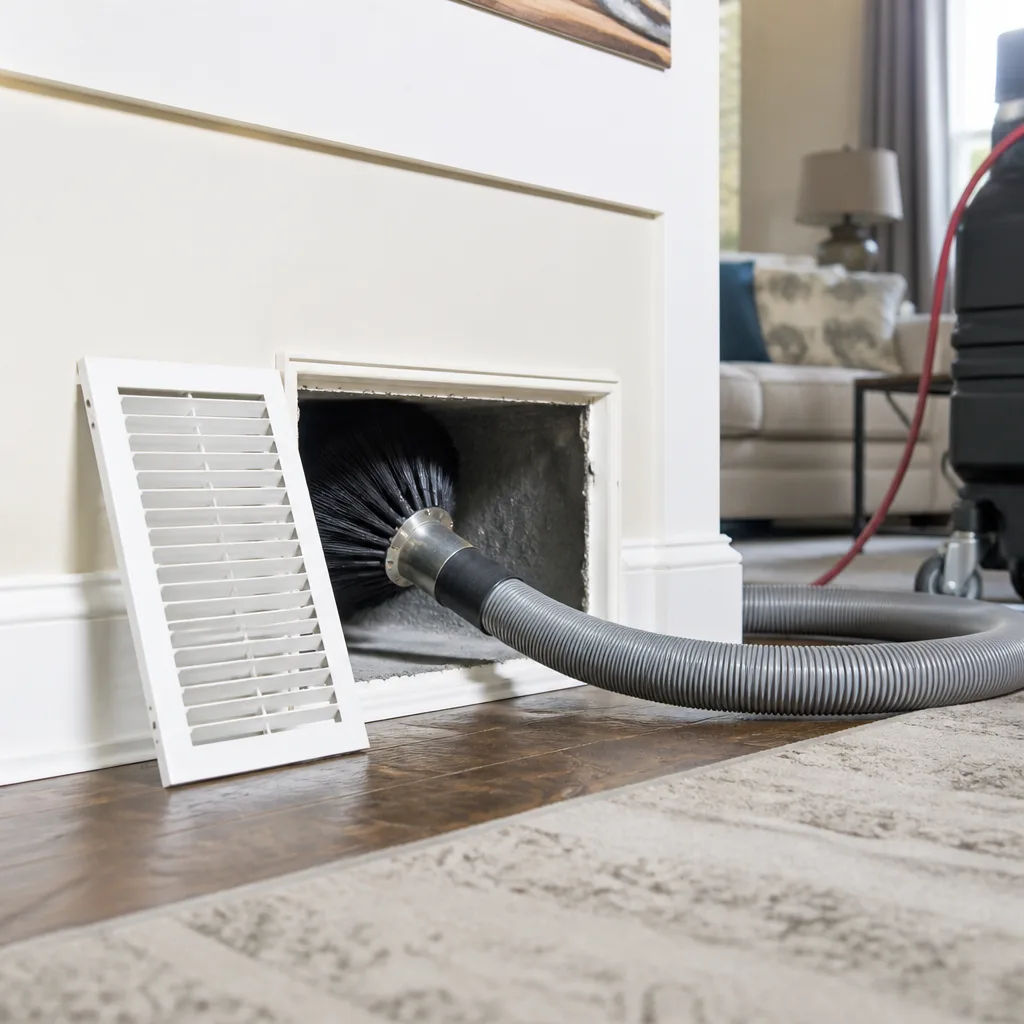 Whole-home duct cleaning
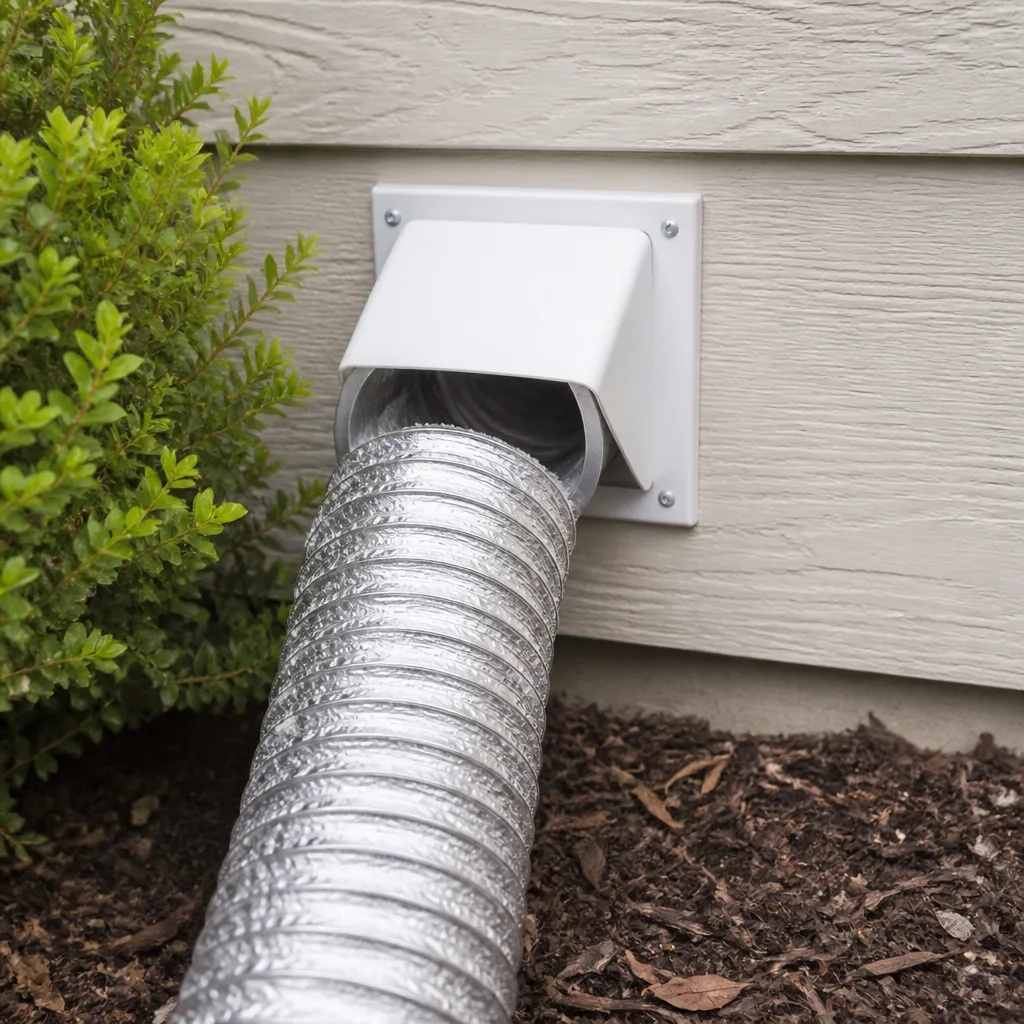 Dryer vent cleaning
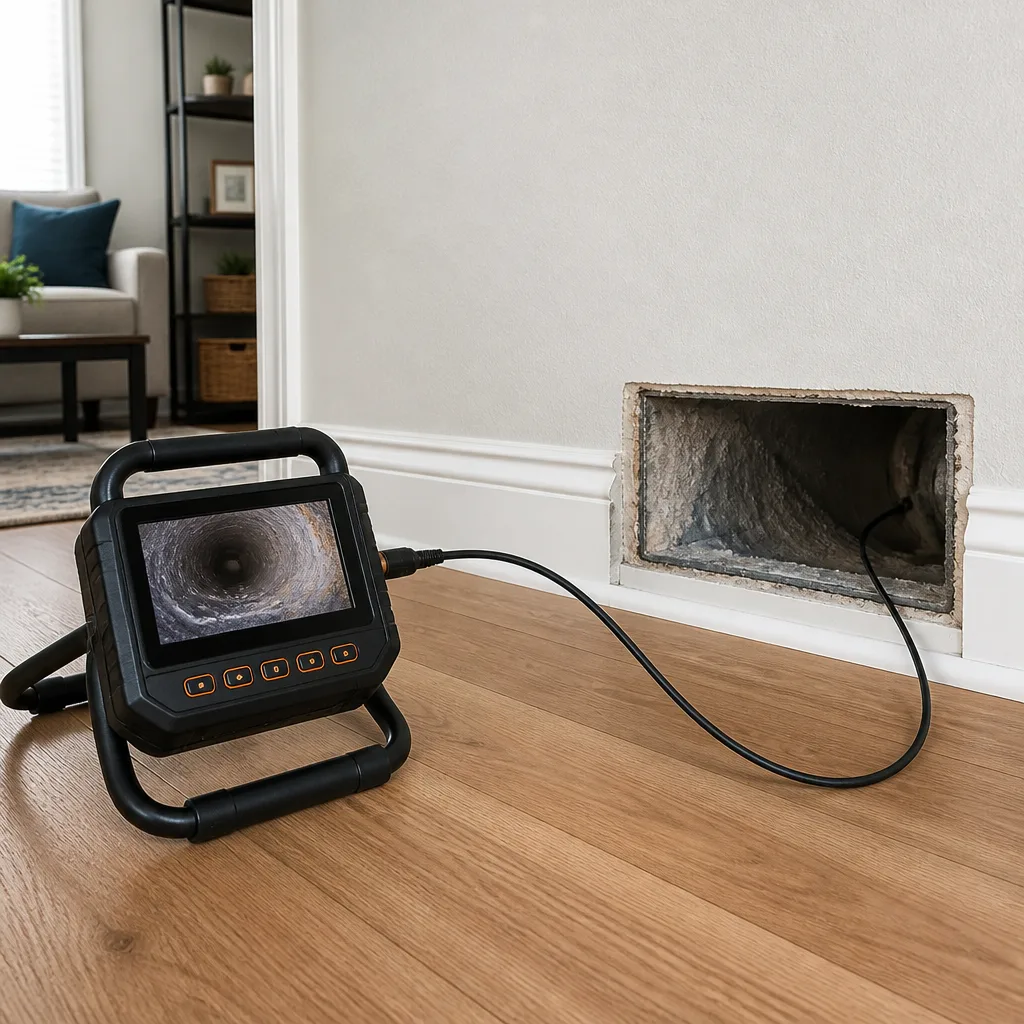 Camera inspection
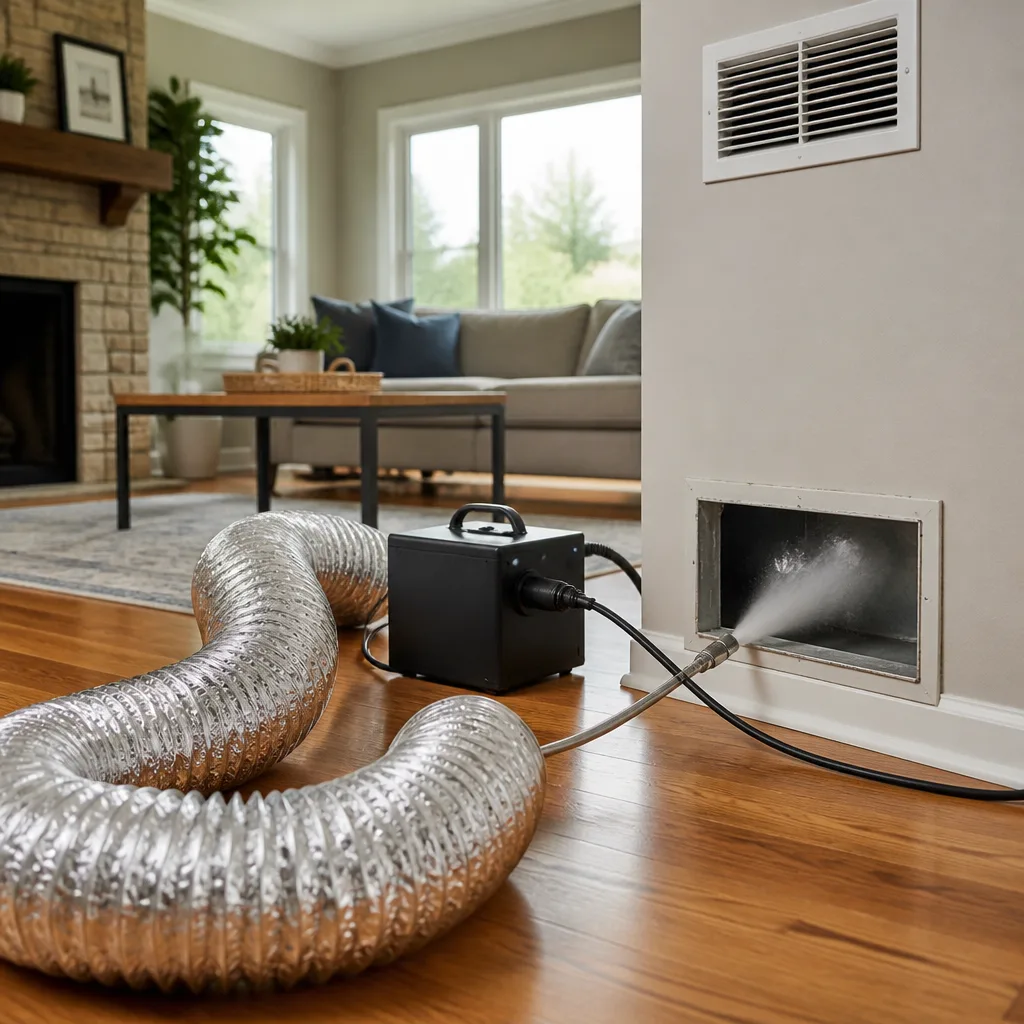 Sanitizing & deodorizing
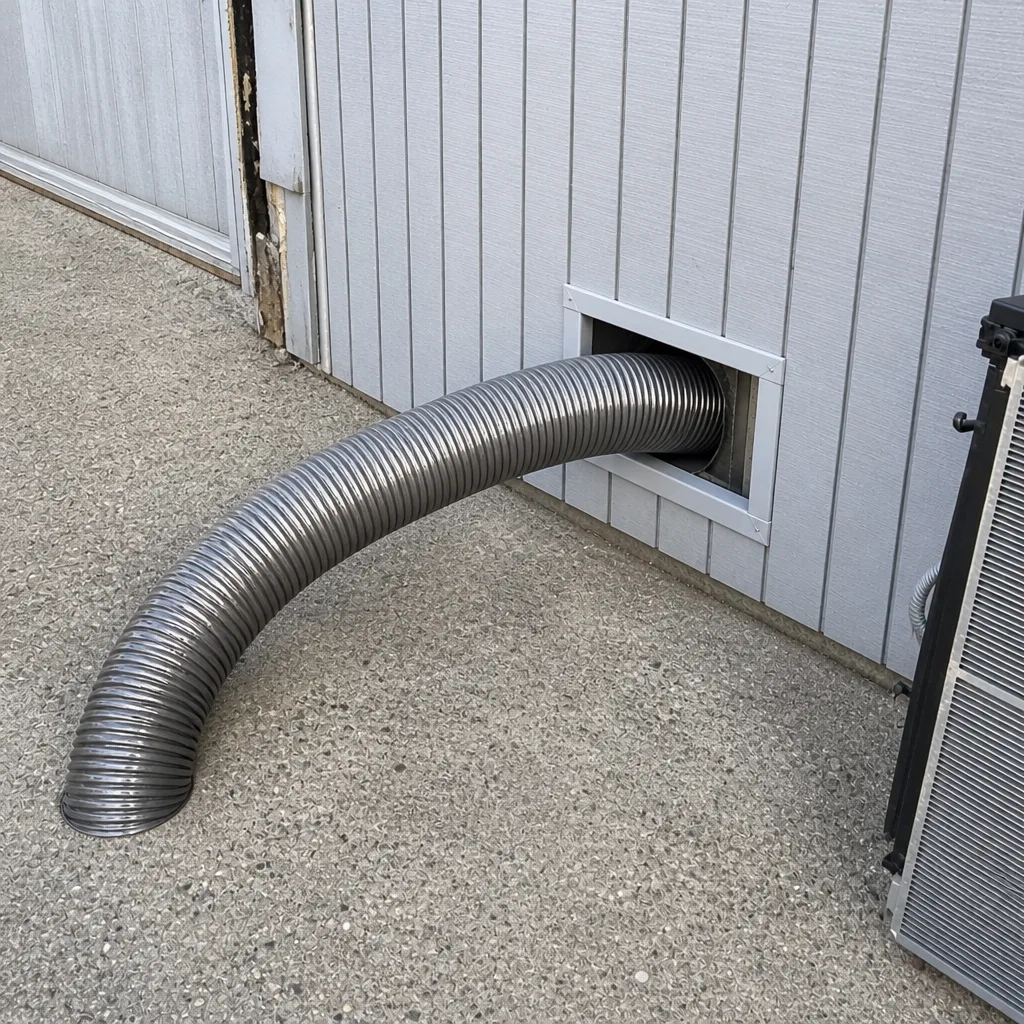
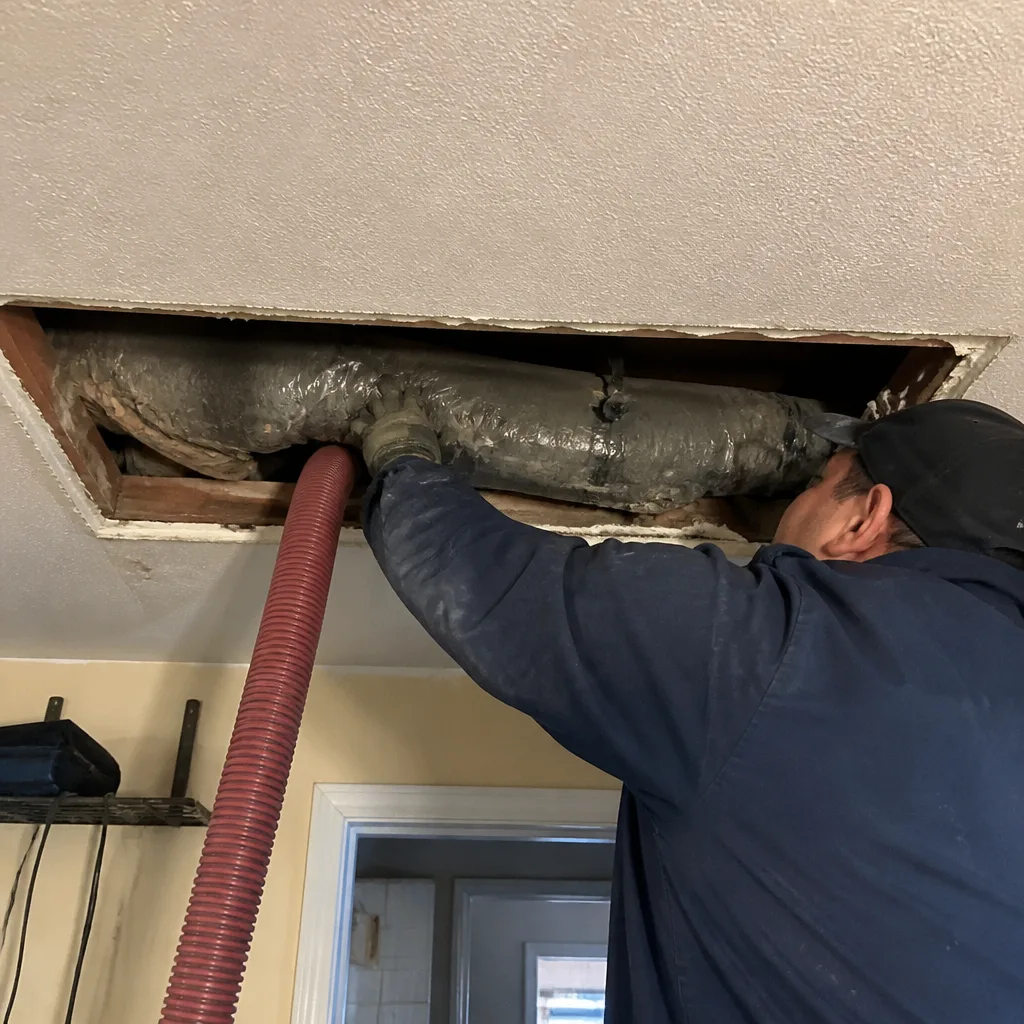
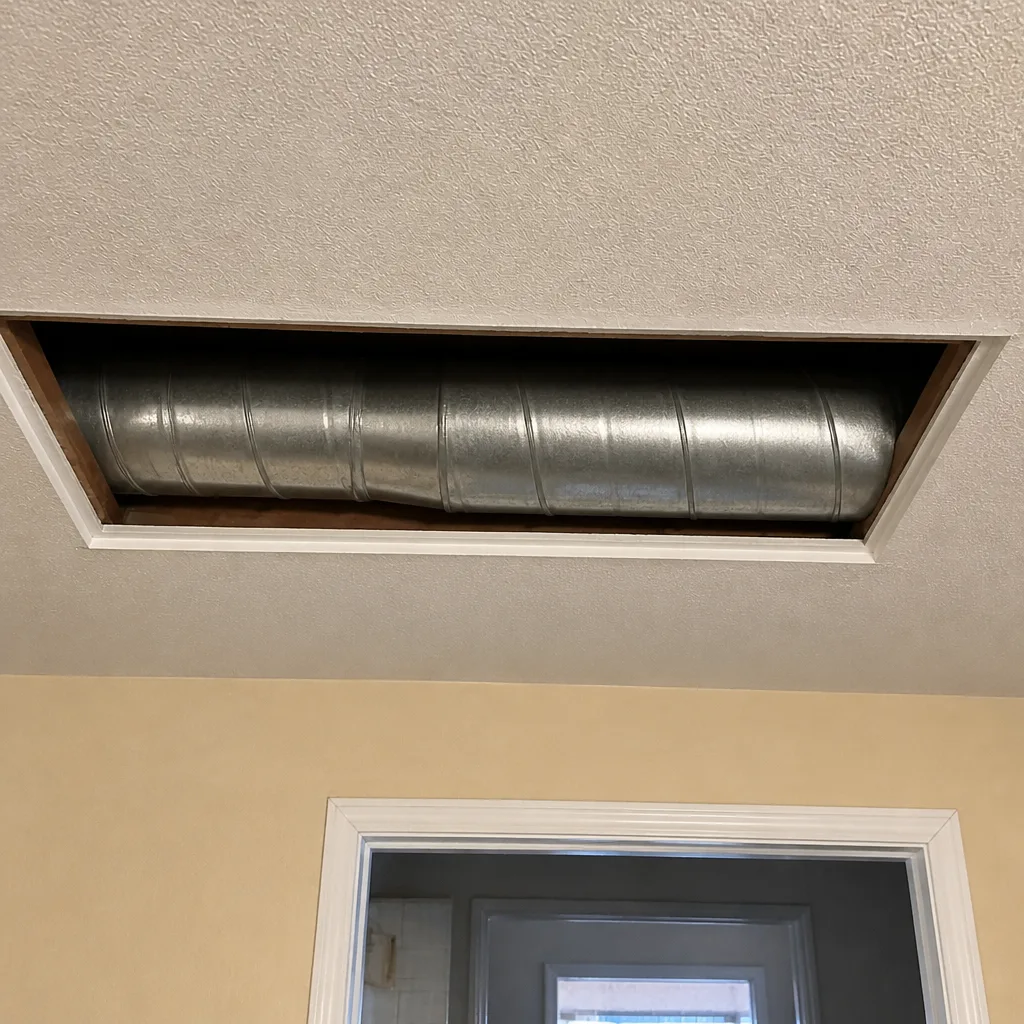
Whole-system duct and dryer vent check with before-and-after photos - you see exactly what came out of your vents
That "$99 whole-house special" is a bait ad - the real number appears once they are in your hallway, or the "clean" is a shop-vac at the register. We photograph the inside of your ducts before and after instead.
Air Duct Cleaning Permits, Codes & Inspections in Daly City, CA: What You Need to Know
Here’s the part most homeowners get wrong: the cleaning itself is not the regulated step. The repair is. If a contractor replaces a duct section, installs a UV air purifier inside your air handler, or modifies your plenum configuration without a permit, that unpermitted work becomes your liability, not theirs, when you sell the house or file an insurance claim. Duct cleaning is maintenance. Altering the system is construction, and California treats the two differently. This guide walks through where that line sits in Daly City, what the California Mechanical Code says about duct alterations, when San Mateo County Environmental Health gets involved, and what paperwork to collect so a future buyer’s inspector doesn’t hand you a problem you didn’t create.
Quick Answer
Routine air duct cleaning in Daly City does not require a building permit. Duct repair, duct replacement, plenum modification, and installation of inline air-quality equipment generally do, because they alter a mechanical system regulated under the California Mechanical Code. If mold remediation is part of the job, San Mateo County Environmental Health may also have jurisdiction. Always ask your contractor in writing whether a permit was pulled, and get the inspection card if one was.
Styles & brands we work with
- Whole-home duct cleaning
- Dryer vent cleaning
- Camera inspection
- Sanitizing & deodorizing
Table of Contents
- Cleaning vs. Modification: Where the Permit Line Actually Sits
- What California Mechanical Code Section 601 Covers
- San Mateo County Environmental Health and Mold Remediation
- How Daly City’s Building Department Handles HVAC Permits
- Title 24 and Duct R-Value When You Replace Flex Duct
- What an Inspection Actually Looks Like
- The Documentation to Collect After Any Repair
- Why This Matters at Resale and for Insurance
Cleaning vs. Modification: Where the Permit Line Actually Sits
California draws a clear distinction between maintaining a mechanical system and altering it. Cleaning falls on the maintenance side. Repair and replacement fall on the construction side. Understanding this split saves you from two opposite mistakes: over-permitting a simple cleaning, or under-permitting a real repair that later surfaces in a disclosure packet.
Think of it the way you’d think about a car. Changing the oil is maintenance. Replacing the exhaust manifold is a repair that changes how the system performs and has to be done to spec. Duct work follows the same logic.
Work that typically does NOT require a permit
- Mechanical cleaning of duct interiors with rotary brush or vacuum equipment
- Replacing supply and return grilles with same-size equivalents
- Sealing accessible joints with mastic or approved tape as part of routine maintenance
- Replacing an air filter in the existing filter slot
- Sanitizing duct interiors with approved products after cleaning
Work that typically DOES trigger a permit in Daly City
- Replacing one or more flexible duct runs, especially if the routing or length changes
- Modifying or rebuilding the supply plenum or return plenum
- Adding, removing, or relocating a duct run
- Installing inline equipment inside the air handler or duct system (UV purifiers, media filters, humidifiers, electronic air cleaners)
- Replacing the air handler or furnace itself
- Any repair that changes the system’s rated performance or its Title 24 compliance baseline
We’ve seen this trip people up in older Daly City homes where duct systems have been patched over multiple decades. What looks like “just a repair” often crosses into a modification because the layout is changing. When we quote an air duct cleaning job and discover a failed duct run, we tell the homeowner plainly: this part is repair work, and repair work is where the permit conversation starts. A thorough clean is still a clean. But a clean that reveals damage is a different scope, with a different set of rules.
The practical test is simple. Ask yourself: did the shape, length, routing, material, or rated R-value of the system change? If yes, it’s a modification. If no, it isn’t. Most Daly City homes we visit sit squarely on the maintenance side of that line for the cleaning itself.
What California Mechanical Code Section 601 Covers
California Mechanical Code Section 601 is the provision that governs duct systems: their construction, their installation, and their alteration. Read broadly, it establishes that duct systems must be installed and maintained in accordance with the code, that materials must be approved for the application, and that any alteration to the system has to leave it compliant. Read practically, it means that when a contractor replaces a duct run, rebuilds a plenum, or installs new equipment inside the duct path, that work is subject to code review and permitting like any other mechanical alteration.
What Section 601 does not say is that duct cleaning requires a permit. Cleaning is maintenance. It’s the alteration language that creates the regulatory hook.
What counts as “alteration” in practice
In our experience walking Daly City properties, these are the scenarios where Section 601 matters most:
- Duct replacement after rodent or water damage. The damaged section is removed and new duct is spliced in. The replacement has to meet current material and R-value standards, not the standards in place when the home was built.
- Plenum reconstruction. This is the box above the air handler where the supply trunk connects. Rebuilding it changes the physics of the system and is treated as a mechanical alteration.
- Adding an inline filter or UV purifier. Any equipment installed inside the duct path is a modification to the duct system, even if the equipment itself is small.
- Rerouting a duct run. Moving a run to serve a new room, or straightening a flex run that’s been crushed into a tight corner, changes the system’s static pressure behavior and requires review.
What does this mean for you as a homeowner? If the scope of your project includes any of the above, expect the contractor to pull a mechanical permit before the work starts. If they don’t offer to, ask. The permit protects you, not them. Duct Cleaning Daly City treats repair as a core service alongside cleaning precisely because the two so often arrive together: a clean system with a broken duct run is not a functioning system, and we’d rather tell you that honestly than hand you a clean system with a hole in it.
San Mateo County Environmental Health and Mold Remediation
Duct cleaning and mold remediation are different services with different regulators. Cleaning removes debris, dust, and accumulated particulate. Remediation addresses active mold growth, which in California is governed at the county level. San Mateo County Environmental Health has jurisdiction over mold-related work that crosses into regulated abatement, and any duct cleaning project that uncovers active mold inside the duct system should be reviewed under that framework, not folded quietly into a cleaning invoice.
When does a duct cleaning project cross that line? Here’s how we think about it:
- Surface dust and debris only. Standard cleaning scope. No county involvement.
- Isolated mold spotting on a single grille face. Usually addressed as part of cleaning with an approved sanitizer, but document it clearly in the job notes.
- Active mold growth inside the ducts or on the air handler. This is remediation territory. It may require Environmental Health review and it certainly requires a scope of work that names the containment method, the sanitizer, and the post-remediation verification step.
- Mold linked to a moisture source. The moisture problem has to be corrected first, or remediation will fail. That means the roof leak, plumbing drip, or condensate issue gets fixed before the ducts are re-cleaned.
Daly City’s climate is a real factor here. The mild, damp winters we get along the peninsula create conditions where condensation inside an under-insulated duct run can support mold growth over time. Attic duct systems in older homes are especially vulnerable when the duct insulation has failed. We run Abatement Technologies HEPA-level containment during cleaning on any job where visible growth is present or suspected, and we tell the homeowner what we found and whether it needs the next step up. That’s a documentation question as much as a technical one. A remediation scope written down is your protection. A remediation scope left undiscussed is a liability you inherited.
If you’re unsure whether your ducts have growth or just dust, the honest answer is that a visual inspection during cleaning is the only reliable way to know. Call us and we’ll tell you what we see. No guesswork.
How Daly City’s Building Department Handles HVAC Permits
Daly City’s building department handles mechanical permits for duct repair and replacement the same way most San Mateo County jurisdictions do: an application, a scope description, a plan or diagram if required, an inspection. The mechanical permit pull is usually not the bottleneck. Scheduling the inspection is where timelines stretch.
Here’s how a mechanical permit for duct repair or replacement typically moves through the process:
- Application. The contractor submits a permit application describing the scope: what’s being replaced, where, with what material, at what R-value. Partial duct replacements are usually described with a simple diagram or annotated photo.
- Review and issuance. Straightforward residential duct replacement permits are typically reviewed quickly. Projects that touch the air handler or the plenum may take longer because the scope crosses into equipment review.
- Work performed. The contractor performs the repair or replacement to the permit scope. Any deviation has to go back through the department.
- Rough inspection. For duct work that will be enclosed in a wall or ceiling cavity, the inspection happens before concealment. Exposed attic and crawlspace work is inspected in place.
- Final inspection. The finished work is verified against the permit scope. If you’re the homeowner, keep the signed inspection card.
What should you expect as a homeowner? Ask three questions before work starts: is a permit required for this scope, will you pull it, and who schedules the inspection? A competent contractor answers all three without hedging. If your contractor says “we don’t pull permits for duct work,” that’s a conversation worth having before they start, not after. We’re not a general contractor and we don’t speak for the city’s timelines, but we do know which scopes get routed into permit land and which don’t, and we tell our Daly City customers which side of that line their project falls on.
Neighborhood-level context matters here too. The older housing stock in Serramonte and Westlake often has duct systems that have been modified repeatedly. When a repair triggers a permit, the department may look at the whole system rather than the single replaced run. That’s not a problem, but it is a planning consideration. Broader scope, longer review.
Title 24 and Duct R-Value When You Replace Flex Duct
Title 24 is California’s energy code. When you replace flexible duct, the new duct has to meet a minimum R-value, and the replacement has to be documented so it’s clear to the inspector, to the utility, and to a future buyer that the work met the code in effect at the time of installation. This is one of the parts of duct replacement that gets skipped most often, and it’s also one of the parts that matters most at resale.
What does this mean in practice?
- Old duct was rated to an old standard. A home built decades ago has duct insulation that met the code at the time of construction. Replacing it is not a like-for-like exercise. The replacement has to meet current Title 24 requirements.
- R-value is stated on the material. Reputable flex duct is labeled. If your contractor can’t tell you the R-value of what they’re installing, that’s a red flag.
- Title 24 compliance documentation goes in your file. The permit inspection record and the material spec sheet together form the paper trail. Keep both. This is the documentation that a buyer’s inspector will want if they ask when the duct system was updated.
- Attic conditions matter. Ducts running through unconditioned attic space have to meet a higher R-value than ducts running through conditioned space. Daly City’s mild climate doesn’t eliminate this requirement. It just means the attic temperatures are gentler than in the Central Valley, not that the code is relaxed.
If your contractor proposes straight-swapping old flex duct with new flex duct of the same R-value as what’s there now, ask why. In some cases that’s genuinely correct because the existing duct already meets current code. In many cases it isn’t, and the replacement is being under-specified to keep the bid low. This is one of those places where a cheaper quote becomes a more expensive problem later.
What an Inspection Actually Looks Like
Mechanical inspections for duct work are shorter and more focused than most homeowners expect. The inspector’s job is to verify that the work matches the permit scope and meets code. That means a close look at materials, connections, and the paths the duct takes.
The typical inspection covers:
- Permit and scope check. The inspector confirms the permit is on file and the scope description matches what’s been done.
- Material verification. Insulated flex duct and rigid duct are inspected for labeling, condition, and where relevant the stated R-value.
- Connection integrity. Joints, transitions, and plenum connections are checked for proper sealing.
- Support and sag. Duct runs must be supported at code intervals and must not sag in ways that compress the cross-section and choke airflow.
- Equipment connections where applicable. If the scope included new inline equipment or a plenum modification, that portion is inspected against the permit description.
- Final signoff. On a passed inspection the inspector signs the card. That signature is your record.
What should you, as the homeowner, do during the inspection? Not much. Be present if you can, and ask the contractor for the signed card afterward. An inspection that passes is a piece of documentation you should keep with your home’s records, not something that goes quietly into a contractor’s folder. If your ducts are being covered up during a remodel, the inspection has to happen before the drywall goes back up. That’s called a rough inspection, and it’s a hard sequencing rule, not a suggestion. Plan for it during the project, not after.
The Documentation to Collect After Any Repair
The most useful defense against future complications is a written record of what was actually done. If you replaced a duct run, modified a plenum, or installed inline equipment, the paperwork is the difference between “we don’t know what was done” and “here’s exactly what was done, by whom, to what standard.” That distinction matters at resale, in an insurance claim, and any time you need a future contractor to understand the system they’re looking at.
Ask your contractor for these items in writing, every time:
- A scope description. A paragraph that names what was replaced, where, and why. Plain language, not contractor shorthand.
- Materials used. Brand, type, and R-value of any duct material installed. A material spec sheet is ideal.
- Permit number and inspection status. If a permit was required, you want the number and the signed inspection card. If a permit was not required, you want that stated in writing with a short explanation of why.
- Before-and-after photos. Visual documentation of the duct interior and any repair work. This is not a marketing nicety. It’s your record.
- Equipment installed. Brand, model, and location of any inline air-quality equipment (filtration, UV, humidification). Honeywell and Aprilaire equipment is common in Daly City homes for whole-home filtration, and knowing the exact model matters for maintenance and future replacement.
- Warranty information. What’s covered, for how long, and what documentation you need to make a claim.
We photograph every duct interior before and after cleaning, and we hand the photos to the homeowner. That’s not a marketing gesture. It’s the documentation you’d want if you ever needed to prove the state of the system on a specific date. Guardsman-brand finishing products, when we use them, are noted on the job record for the same reason: what was applied, when, and where.
Why This Matters at Resale and for Insurance
When you sell a home in Daly City, you’ll complete a transfer disclosure statement. That document asks whether you’re aware of any alterations or repairs made without required permits. The honest answer depends entirely on what your contractor did and whether they documented it. A duct replacement done without a permit doesn’t just sit there quietly. It becomes a question in the transaction, and it can become a negotiating chip or a repair credit at the buyer’s request.
Insurance operates on the same logic. If a claim involves the HVAC system, the carrier will want to know what work was done, when, and whether it was done to code. Unpermitted work is not automatically fatal to a claim, but it invites scrutiny, and it can complicate a claim that would otherwise be straightforward.
What we tell our Daly City customers is simple. When a repair crosses into permit territory, pull the permit. When the work is cleaning only, document the cleaning. When the work is a hybrid of both, document both. The cost of a permit is small compared to the cost of a home sale stalled on a disclosure question. Most homeowners have never had to think about this before they call us. We’d rather they had the full picture before we start than after.
Common Mistakes to Avoid
- Assuming cleaning and repair fall under the same rules. They don’t. Cleaning is maintenance; repair is regulated work. Asking “does this need a permit?” without distinguishing which one you mean leads straight to bad advice.
- Letting a contractor replace a duct run without a permit because the price is lower. The lower price is not saving you money. It’s moving the disposal risk from the contractor to you. Unpermitted work follows the property, not the person who did it.
- Skipping the Title 24 documentation on a flex duct replacement. A replacement that meets current R-value requirements but isn’t documented becomes an “unknown” at resale. Ask for the material spec sheet and keep it.
- Folding an active mold finding into a routine cleaning invoice. If mold is present inside the duct system, that crosses into remediation territory under San Mateo County Environmental Health’s framework. It deserves its own scope of work, documented on its own terms.
- Not scheduling the rough inspection before ducts get covered up. Once drywall closes over a duct run, the inspection has to happen anyway, and getting access back is expensive. The sequence matters. Plan for the inspection, don’t retroactively hope for it.
- Accepting verbal assurances about what was done. A contractor who says “we did it all properly” and hands you nothing written has given you nothing you can use. Get the scope, materials, and inspection status in writing.
- Treating a failed duct as a cleaning problem. A crushed flex run, a disconnected joint, or a compromised plenum won’t be fixed by cleaning. The system needs a repair scope, and the repair scope drives the permit conversation. Cleaning a broken system is cleaning a broken system.
See the difference
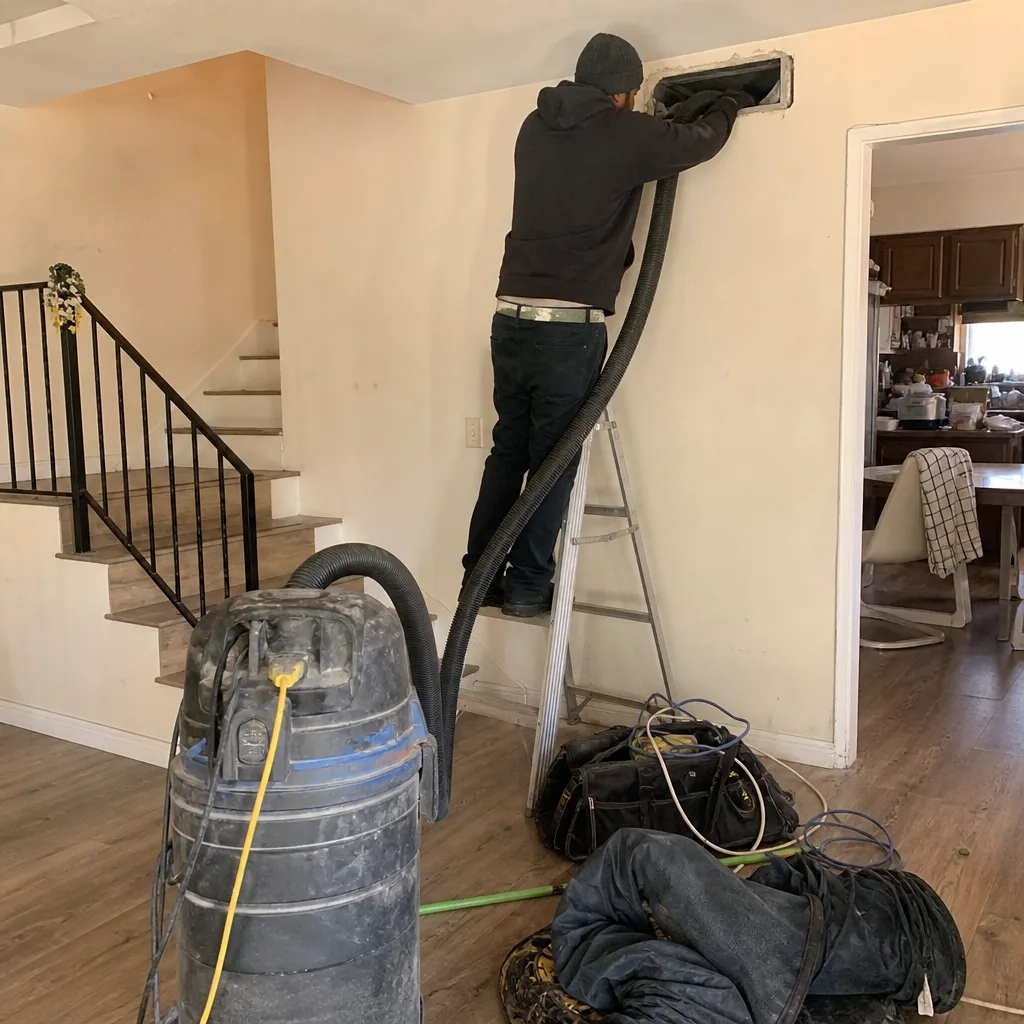 Before
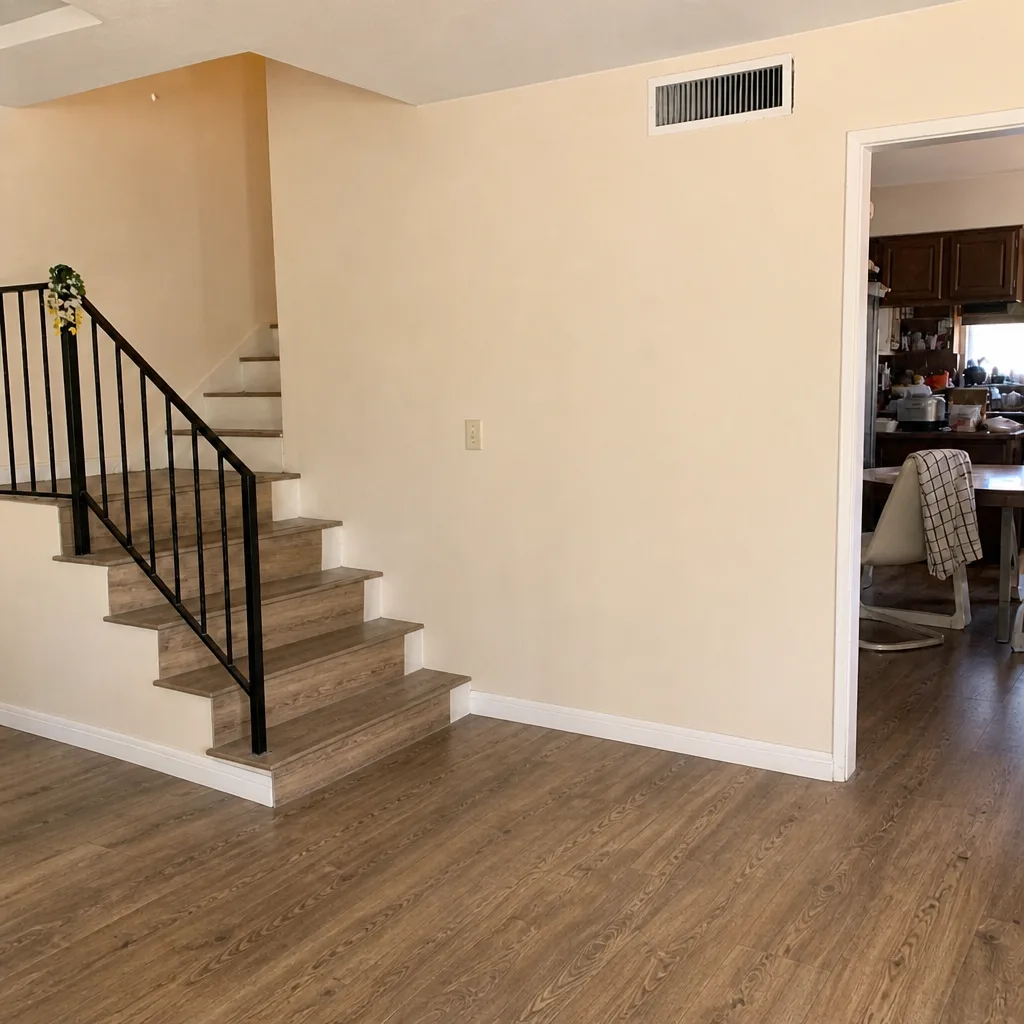 After
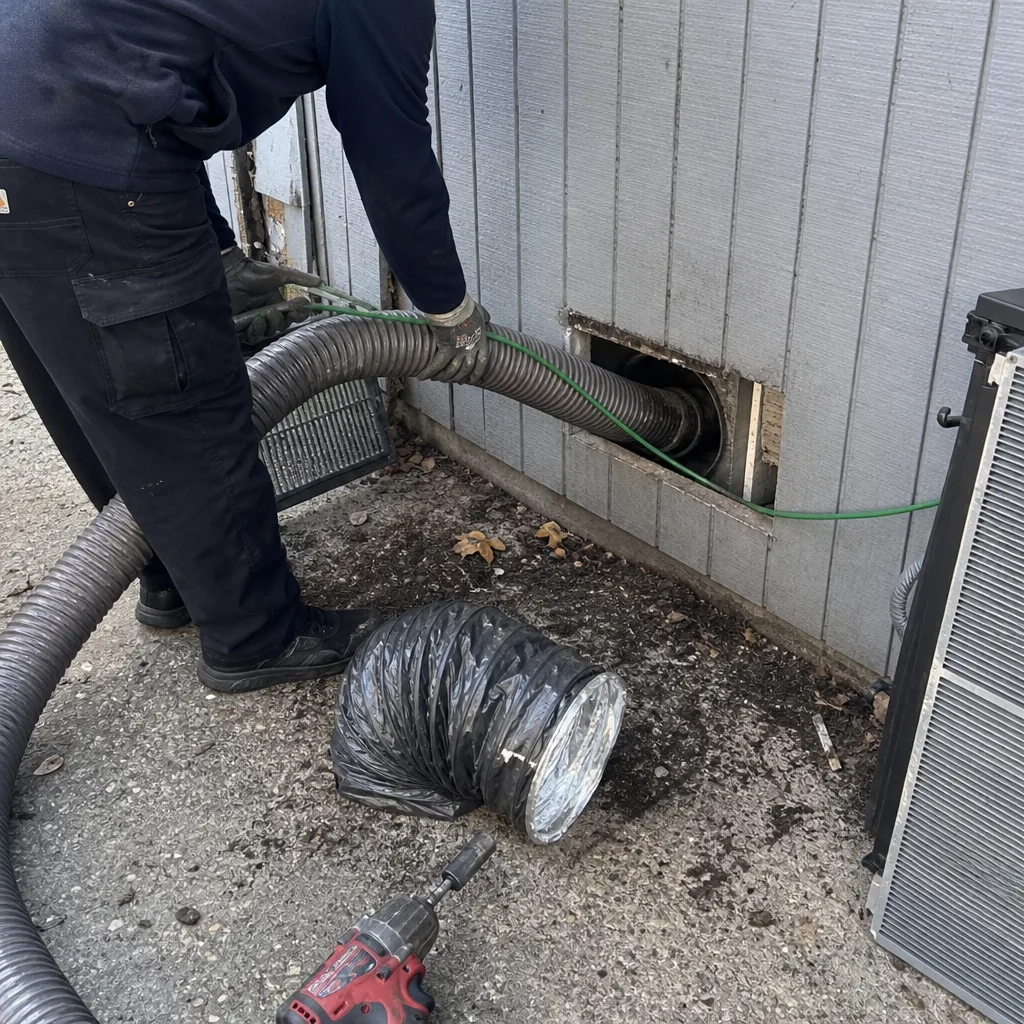 Before
 After
 Before
 After
When to Call a Professional
You need a professional when the scope of the job involves anything beyond routine cleaning. That includes any visible duct damage, any failed duct run, any inline equipment installation, any plenum modification, and any sign of active mold growth inside the system. It also includes any situation where the ducts have never been cleaned and you’re seeing elevated dust, allergy symptoms that worsen indoors, or evidence of pest intrusion. These are the scenarios where a documented scope of work, a permit where required, and a written record of what was done matter most. Duct Cleaning Daly City offers free estimates in Daly City. Call (833) 958-9532. We answer 24/7. Fast dispatch from 7am to 7pm, Sunday through Friday.
Frequently Asked Questions
No. Routine air duct cleaning is maintenance and does not require a building permit in Daly City. What does require a permit is any alteration to the duct system itself: replacing a duct run, modifying or rebuilding a plenum, or installing inline air-quality equipment. The distinction is between cleaning the system and changing it. If your scope includes any change to the system’s shape, routing, or equipment, expect a permit. Call (833) 958-9532 for a free estimate on which side of that line your project sits.
Section 601 governs duct system construction, installation, and alteration, and requires that altered systems meet current code for materials, support, and performance. In practice, that means a duct replacement or plenum rebuild has to be done to code-in-effect standards, not to whatever standard applied when the home was built. It’s the alteration language that creates permitting requirements, not the cleaning language. Call (833) 958-9532 with questions about your specific scope.
Environmental Health jurisdiction is triggered by regulated activity, which in duct work usually means mold remediation. Routine cleaning is not remediation. Active mold growth inside the duct system or on the air handler is, and that work should be scoped, documented, and reviewed under the county framework. If a contractor finds mold during cleaning and proposes to “just sanitize it,” ask whether the scope crosses into remediation territory. Call (833) 958-9532 if you’re unsure what you have.
Usually yes. Replacing flexible duct runs is a mechanical alteration and generally requires a permit, and the replacement has to meet Title 24 R-value requirements. The permit protects you by creating a documented inspection record of the work, which matters at resale and in insurance claims. Ask your contractor to state the R-value of the material being installed and to hand you the signed inspection card when the work is done. Call (833) 958-9532 for a free estimate on the replacement scope.
Keep the scope description, the materials spec sheet (with brand and R-value), the permit number and signed inspection card if a permit was pulled, before-and-after photos of the duct interior, the equipment spec sheet for any inline air-quality components, and the warranty terms. This package is what a future buyer’s inspector, an insurance adjuster, or a future contractor will need. Without it, the work becomes an “unknown” on a disclosure form. Call (833) 958-9532 to schedule a free estimate on duct cleaning in Daly City.
It can complicate a claim, especially one involving the HVAC system. Insurers generally want to know what work was done, when, and whether it met code. Unpermitted work is not automatically a claim denial, but it invites scrutiny and can slow a straightforward claim into a complicated one. The safer approach is to pull the permit when a repair crosses into permit territory and document the cleaning when it doesn’t. Call (833) 958-9532 with questions about the scope of your project.
The Bottom Line
Duct cleaning in Daly City doesn’t require a permit. Duct repair, duct replacement, plenum modification, and inline equipment installation usually do. California Mechanical Code Section 601 is what draws that line, San Mateo County Environmental Health has jurisdiction when remediation crosses into regulated territory, and Title 24 R-value requirements apply on any flex duct replacement. The documentation you collect after the work matters as much as the work itself: scope, materials, permit number, inspection card, and photos give you a clean record at resale and a clean claim with your insurer. Our technicians have up to 10 years of experience, and we use Rotobrush rotary-brush systems and Nikro commercial-grade vacuum equipment on every job. We’re happy to walk a Daly City homeowner through the scope of their project before anything starts.
If you’re ready to schedule a dryer vent cleaning or a full duct cleaning, call Duct Cleaning Daly City at (833) 958-9532. We answer 24/7. Fast dispatch from 7am to 7pm, Sunday through Friday. Estimates are free, and we’ll tell you plainly which parts of your scope require a permit and which don’t.
Written by the team at Duct Cleaning Daly City.