
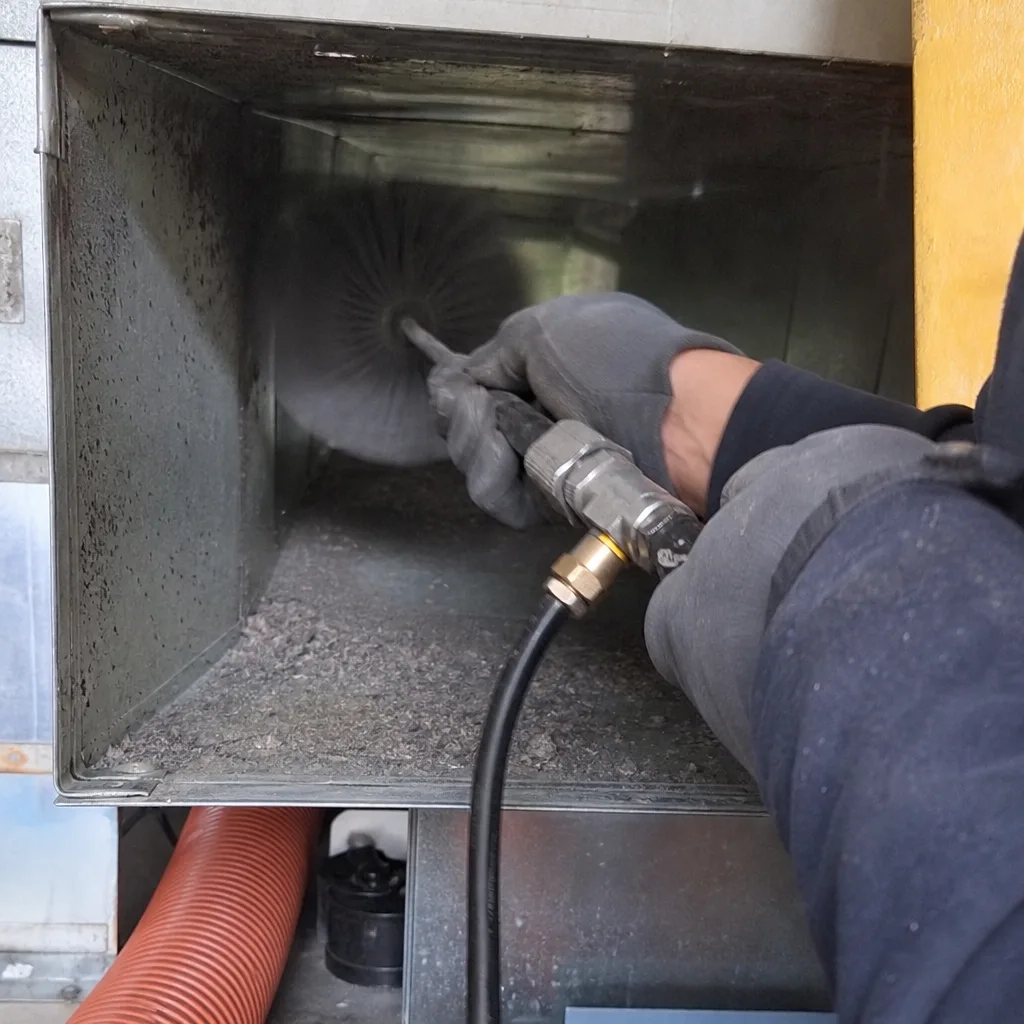
Last updated November 16, 2026
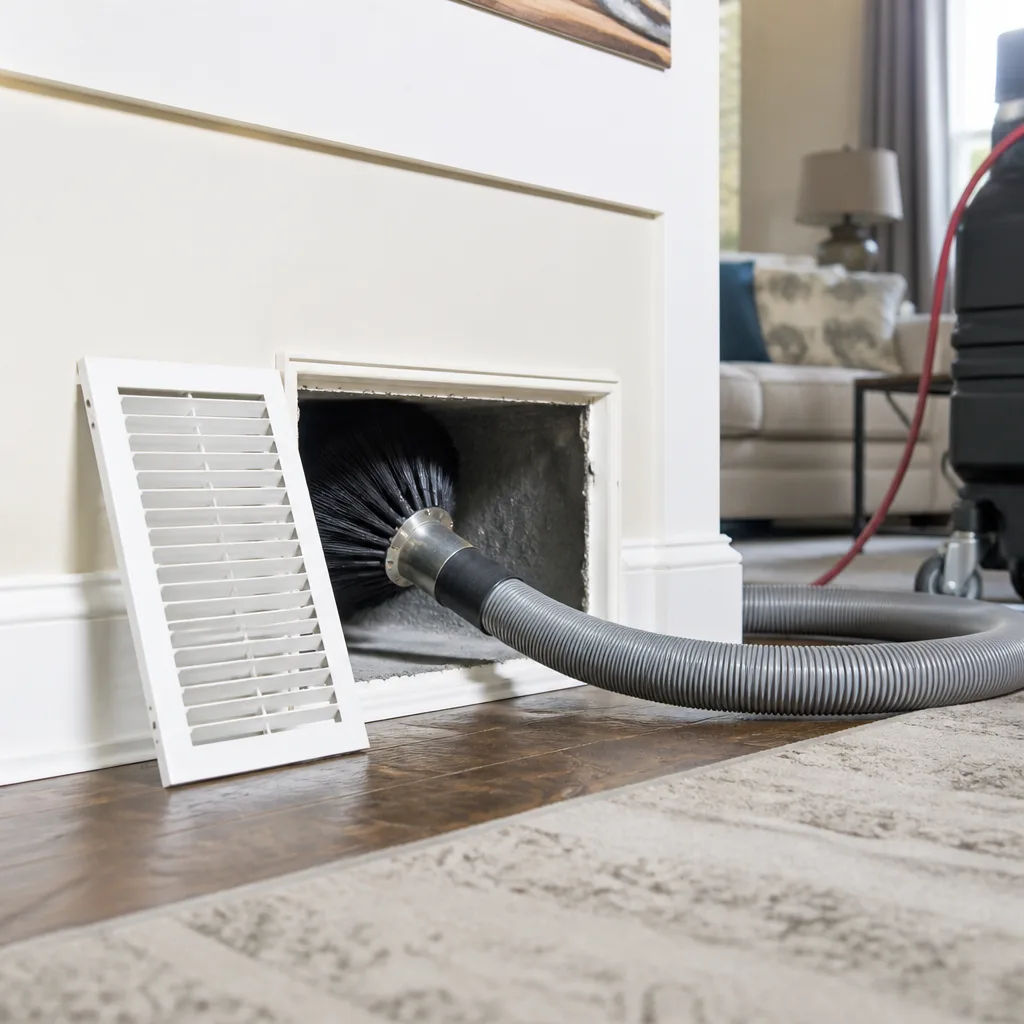 Whole-home duct cleaning
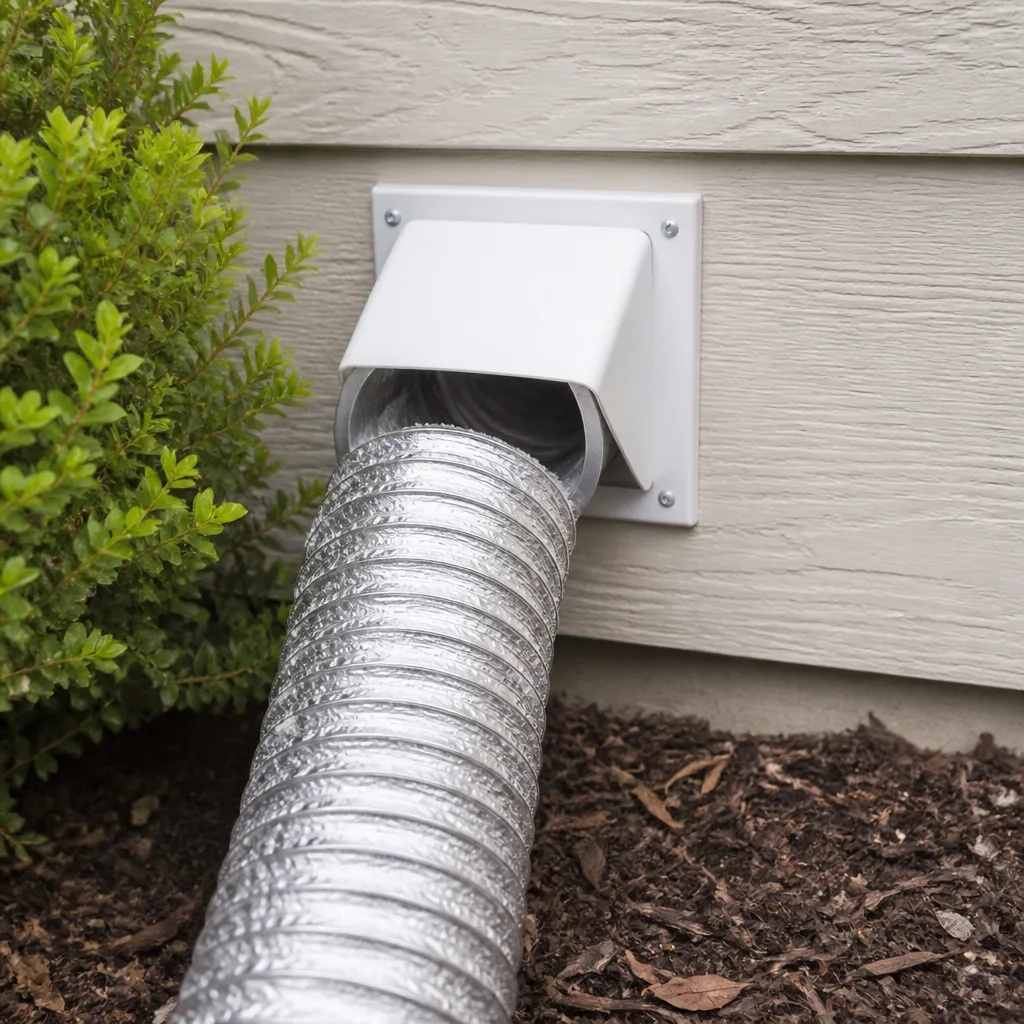 Dryer vent cleaning
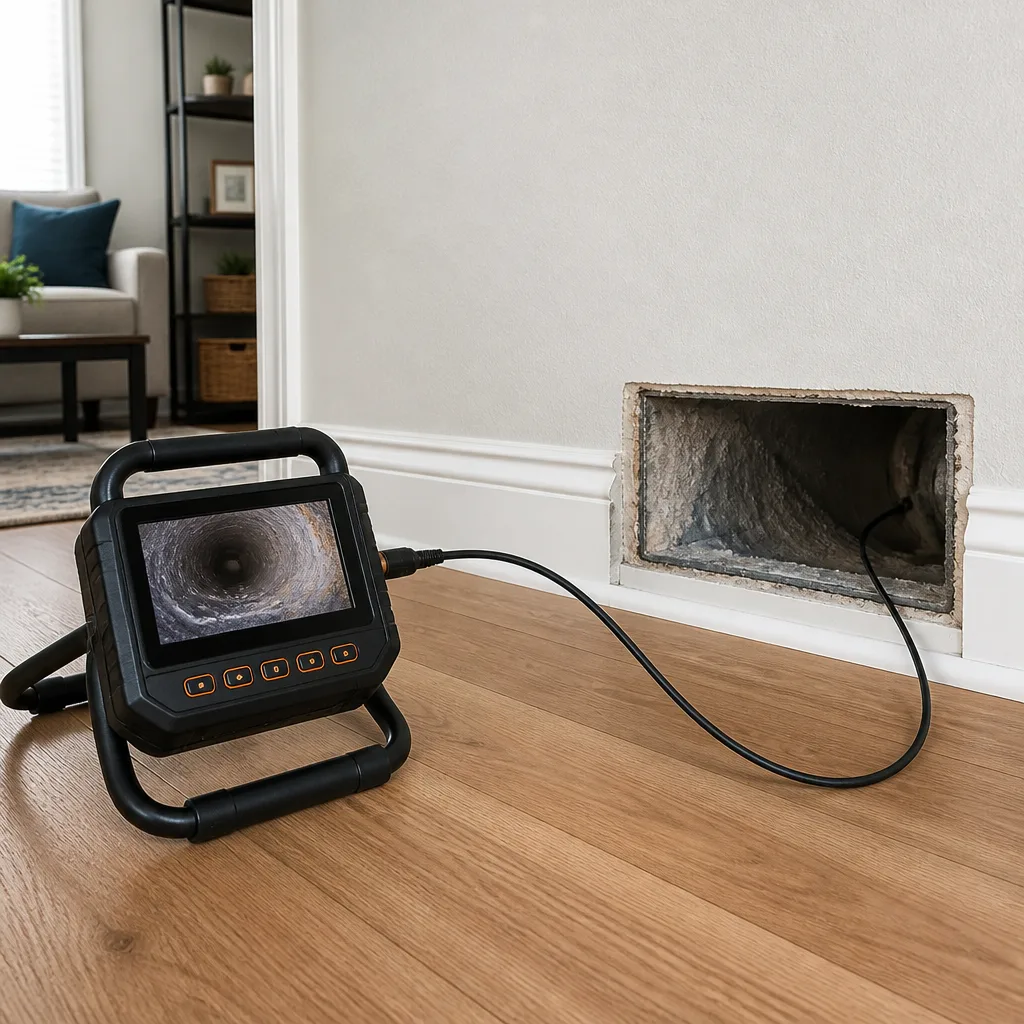 Camera inspection
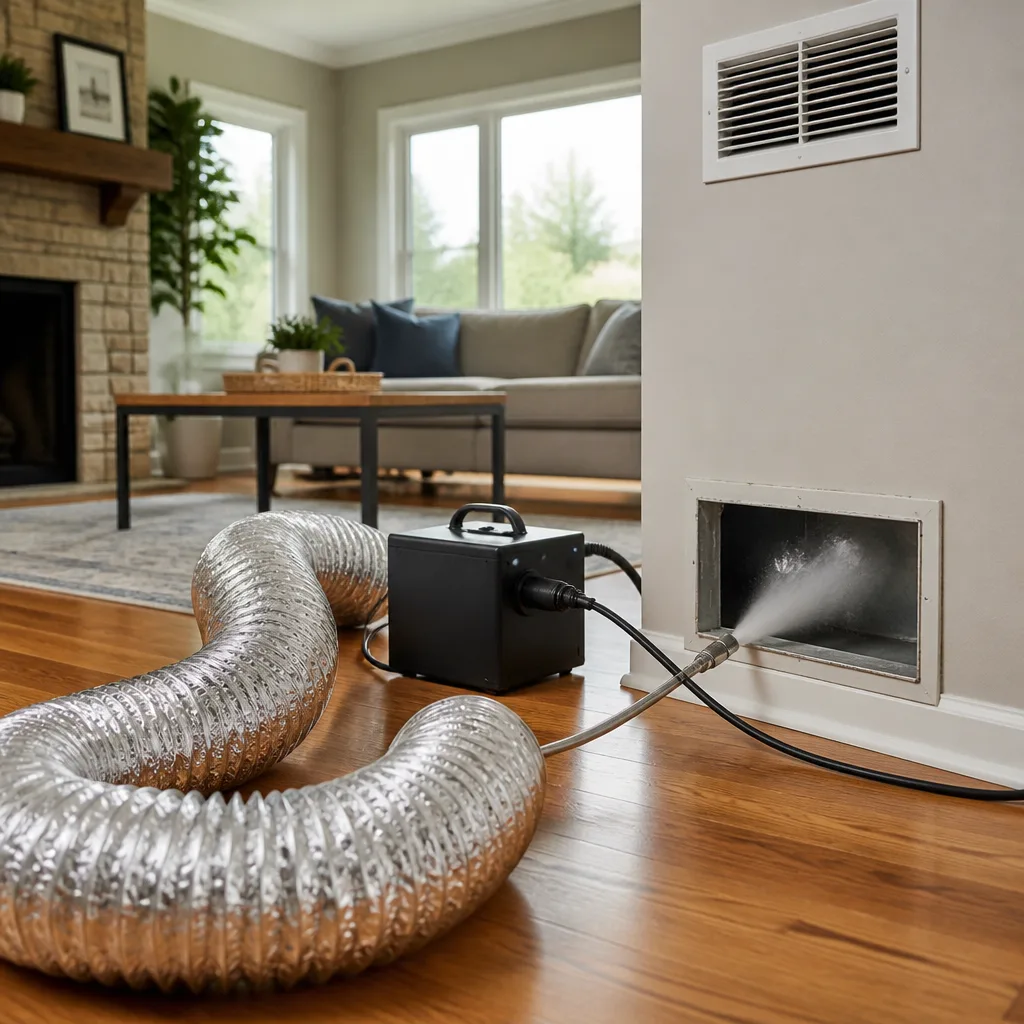 Sanitizing & deodorizing
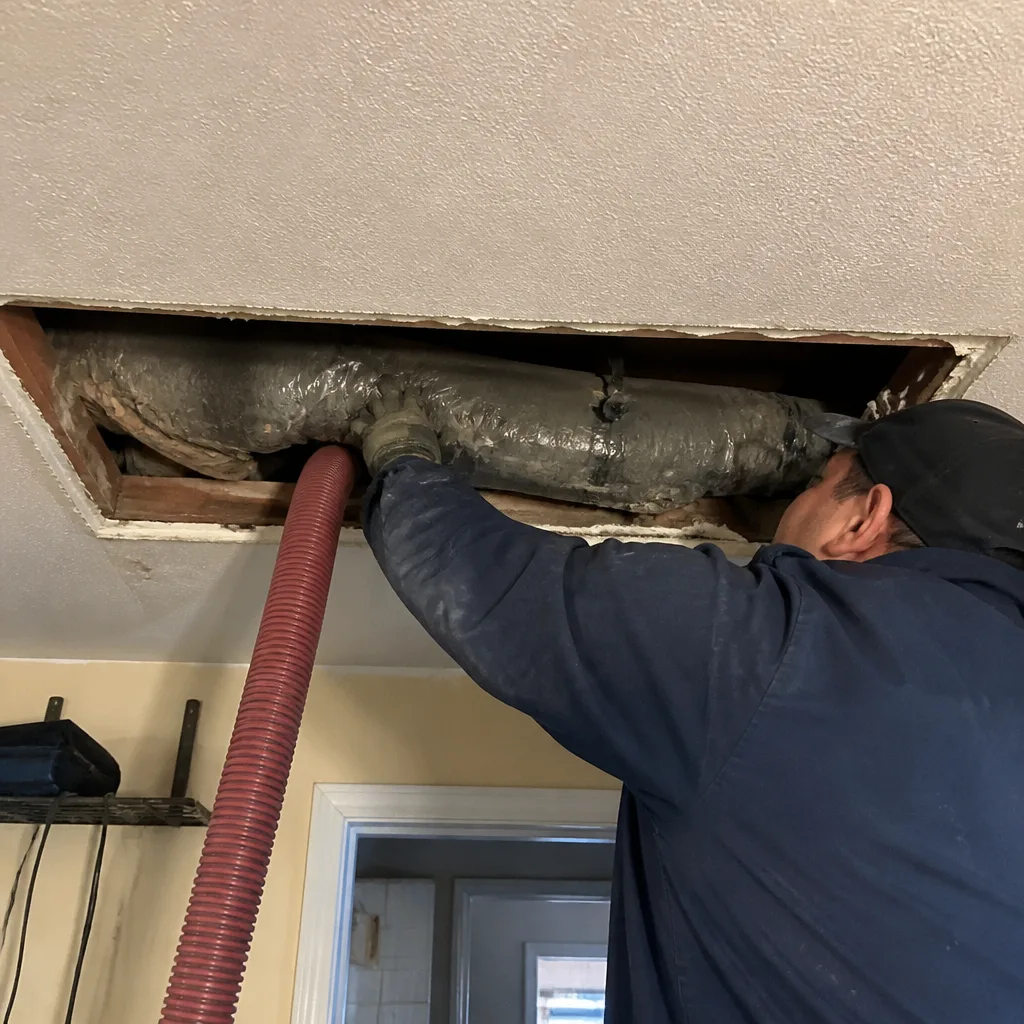
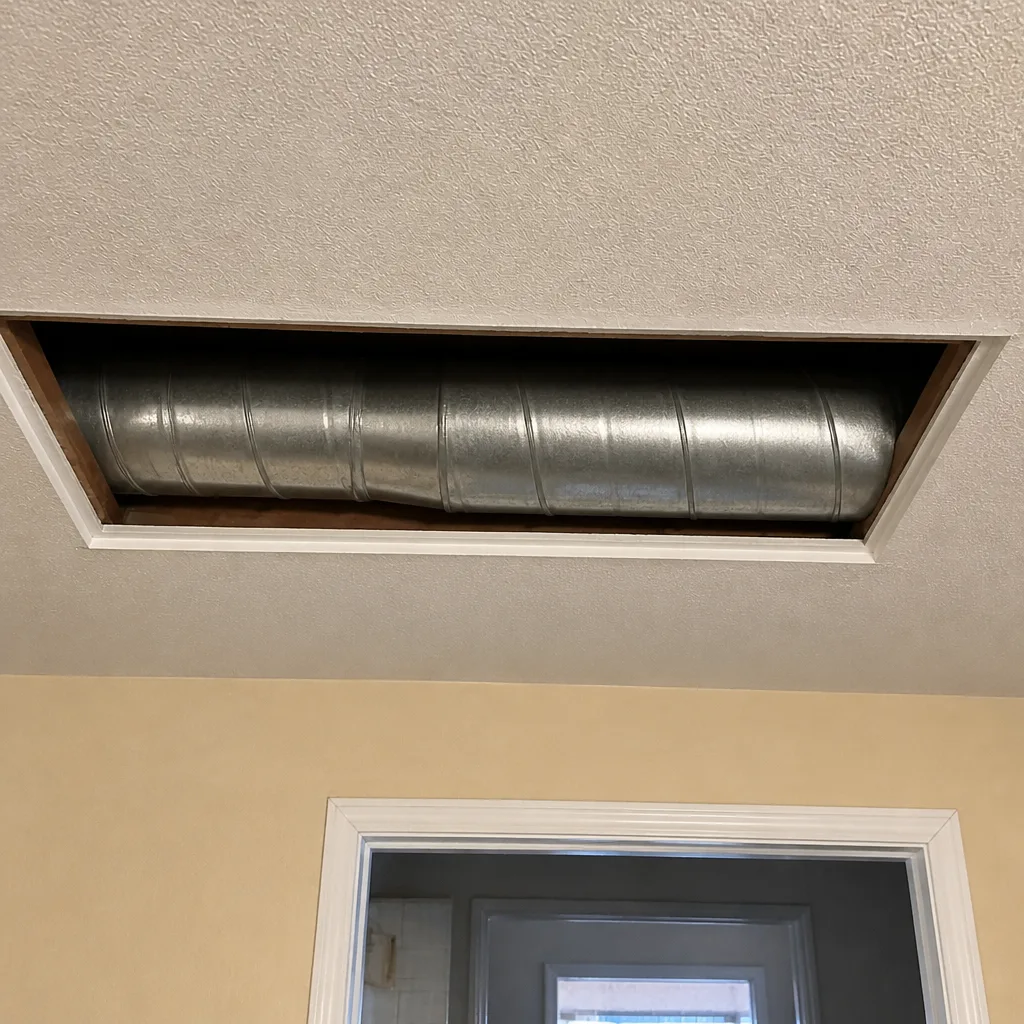
Whole-system duct and dryer vent check with before-and-after photos - you see exactly what came out of your vents
That "$99 whole-house special" is a bait ad - the real number appears once they are in your hallway, or the "clean" is a shop-vac at the register. We photograph the inside of your ducts before and after instead.
Air Duct Repair Maintenance Schedule: What to Do and When
Most homeowners treat duct work like plumbing: out of sight, out of mind, until something breaks. That’s the wrong model. Your ducts are a living part of the building envelope, exposed to whatever air moves through your home, and in Daly City that air spends half the year heavy with moisture from the summer fog belt. A duct maintenance schedule isn’t one annual event. It’s three separate cycles running on different clocks – cleaning, sealing, and inspection – and the order matters as much as the timing. Skip the sequence and you’ll pay for it with reduced airflow, higher energy bills, and repairs that a five-minute check could have prevented. This guide lays out the schedule we recommend for Daly City homes.
Quick Answer
Clean your ducts every three to five years, test duct sealing integrity every two years, and inspect visible duct runs every twelve months. In Daly City, front-load your professional cleaning into May, before the June-through-August fog season pushes moisture into your system, and reset the whole schedule whenever you replace a furnace or add an AC unit. Homeowners handle filter swaps and register wipe-downs monthly; professional equipment handles everything behind the grille.
Styles & brands we work with
- Whole-home duct cleaning
- Dryer vent cleaning
- Camera inspection
- Sanitizing & deodorizing
Table of Contents
- Why a Duct Schedule Beats a One-Time Cleaning
- The Monthly Tasks You Can Do Yourself
- The Annual Professional Inspection
- The Fog Belt Window: Why May Matters in Daly City
- The Invisible Interval: Testing Duct Sealing Every Two Years
- When an HVAC Upgrade Resets the Clock
- Building a Duct Maintenance Log
- What Professional Equipment Actually Does
Why a Duct Schedule Beats a One-Time Cleaning
Most advice online treats duct cleaning as a single transaction: call someone, get it done, forget about it. That model ignores how duct systems actually degrade. Physical debris accumulates at a predictable rate. Sealant at the joints dries and cracks on its own schedule. And the flexible duct that runs through the crawlspace and attic of many Daly City homes built in the 1960s and 1970s has a service life that shortens every time it’s exposed to moisture the manufacturer never anticipated.
Picture three separate clocks ticking away inside your system. The first tracks accumulated debris: dust, pet hair, construction fallout, pollen. The second tracks seal integrity at every joint and connection. The third tracks physical condition of the duct material itself – the flex duct liner, the rigid connections, the register boots. These clocks run at different speeds and need different interventions.
Cleaning the ducts without checking seals just moves debris through a leaky system. Sealing a system that’s full of debris walks contaminated air into rooms you never wanted it in. And inspecting without a written record means you can’t tell whether the system is stable or slowly degrading. The schedule has to address all three.
That’s what this calendar is designed to do. Monthly homeowner tasks catch the fast issues. Annual inspections catch the middle-speed issues. Biennial pressure testing catches the slow ones. Our technicians have up to 10 years of experience and have seen what happens when any one of these gets skipped: systems that should have lasted twenty years failing at eight, and homeowners paying for full duct replacement when a targeted repair would have done the job.
The Monthly Tasks You Can Do Yourself
Not everything about duct maintenance requires a professional. The monthly layer of the schedule is where homeowners catch small problems before they become expensive ones, and it costs almost nothing but time.
Here’s the monthly routine we recommend:
- Swap or rinse the HVAC filter. Check the filter in your furnace or air handler. If it’s a standard one-inch fiberglass or pleated filter, replace it. If you use a washable filter or a higher-MERV pleated filter, check the manufacturer’s replacement interval – most are rated for one to three months, not six. Homes with pets, hair, or nearby construction need the shorter end of that range.
- Wipe down the return registers. Dust accumulates on return grilles fast. A damp cloth once a month stops that dust from being drawn into the system when the fan kicks on. Supply registers get dusty too, but nothing compared to returns.
- Run a smell check. Walk to each supply register and take a breath while the system is running. You’re looking for musty, damp, or chemical smells. Musty is the one to watch for in Daly City – it points to moisture in the ducts, which is the leading precursor to mold growth.
- Listen for airflow changes. Put your hand over each supply register. You’re not measuring CFM, just noticing whether every vent has similar airflow. One weak register often means a collapsed flex duct or a disconnected joint behind the drywall.
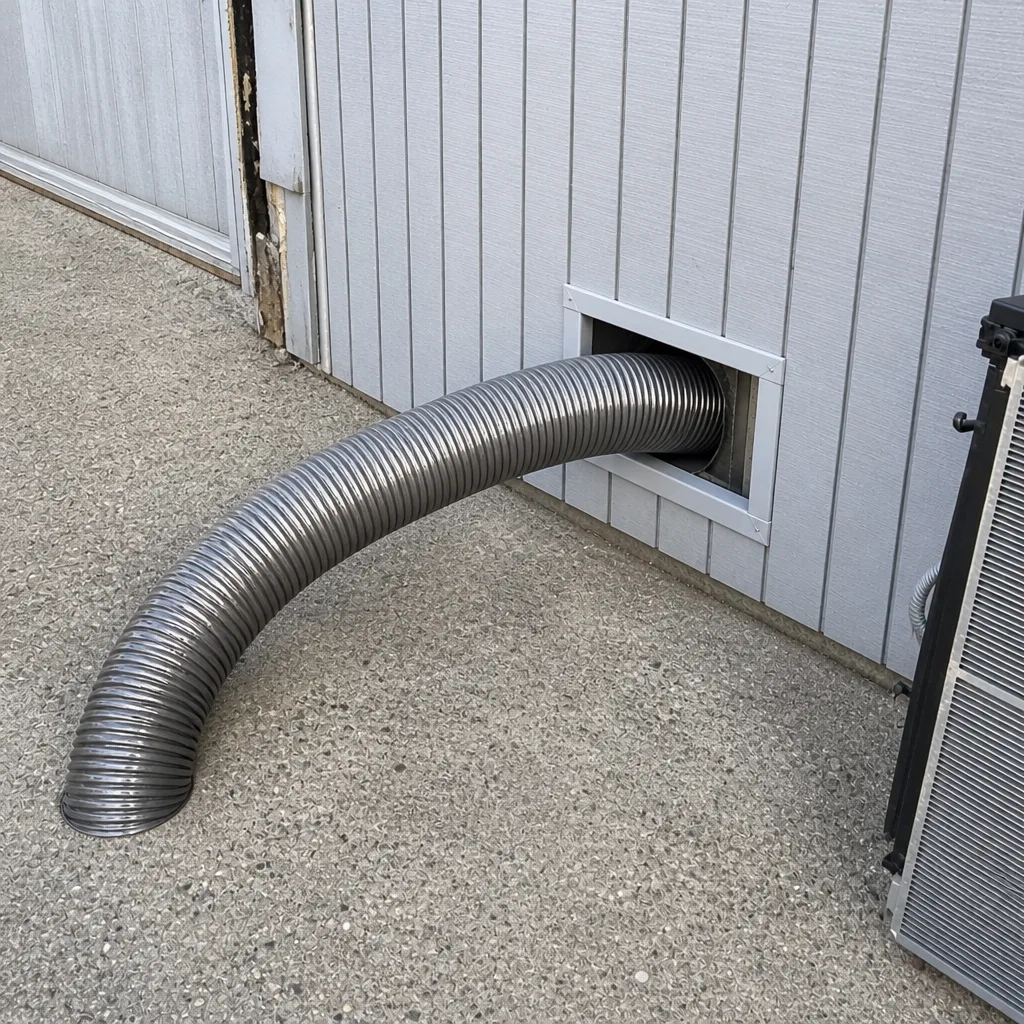
- Check the outdoor dryer vent. Walk outside and confirm the dryer vent flapper opens fully when the dryer is running and closes when it stops. Lint build-up at the flap shows you the vent needs cleaning.
None of these take more than fifteen minutes total. Together they catch the majority of issues before they escalate. Write down what you find each month – we cover why in the log section below.
The Annual Professional Inspection
The annual inspection is where homeowner maintenance hands off to trained eyes and proper tools. It’s not a cleaning. It’s a condition assessment – what state is the system in, what’s changed since last year, and what needs attention before it becomes a repair.
What a professional annual inspection should cover:
- Visual inspection of accessible duct runs – in the attic, crawlspace, garage, and behind each register boot. Look for kinked or collapsed flex duct, disconnected joints, crushed sections behind furniture, and moisture staining.
- Airflow testing at the air handler and at each supply register. This tells you whether the system is delivering what it should to every room. Rooms that consistently run hot or cold are telling you something.
- Moisture check inside the duct. Particularly in Daly City, where the marine layer can push interior humidity levels up for weeks at a time. Any visible condensation inside the duct or staining on the exterior insulation needs a closer look.
- Filter and filtration system review. If you use a whole-home filtration unit, its filter needs a look too. Honeywell and Aprilaire air-quality systems each have their own maintenance intervals, and they don’t always match the furnace filter.
- Written report. Anything flagged, anything borderline, anything that changed since last year. This is what makes the schedule useful instead of just another service visit.
Schedule the annual inspection in May for Daly City homes. We’ll explain why in the next section.
The Fog Belt Window: Why May Matters in Daly City
Daly City sits right where the summer marine layer makes landfall. From roughly June through August, warm inland air pulls cool, saturated Pacific air through the gap at the Golden Gate and pushes it right up against the hills. That means weeks of highs in the low 60s, humidity that stays high overnight, and condensation on cool surfaces. Inside your duct system, that’s a moisture environment that mold needs to colonize.
Most duct cleaning advice on the internet is written for a national audience that assumes one big heating season and one big cooling season. That model doesn’t fit the Peninsula. Here, the highest-risk window for duct system problems is the fog season, not winter. Warm interior air from cooking, showers, and regular HVAC cycles hits a duct surface that’s been cooled by fog-soaked insulation and forms condensation. Condensation plus dust equals mold.
That’s why we front-load professional cleaning into May. The goal is to remove the food source (accumulated dust and organic debris) before the moisture season starts, and to verify that the system is dry and sealed before it gets tested by three months of high humidity.
The May service visit should include:
- A full cleaning using rotary-brush agitation and negative-pressure extraction. This isn’t a blower pass – the rotary brush physically agitates debris off the duct walls, and the vacuum pulls it out of the system rather than redistributing it through your home. We use Rotobrush rotary-brush systems and Nikro commercial-grade vacuum equipment on every job.
- A seal check at every visible joint. Any joint showing separation or failing tape gets recorded and, where appropriate, repaired during the same visit so the system is tight before fog season.
- HEPA-level particulate containment throughout the service. Abatement Technologies air-containment capability matters most after a renovation or in an older home where the debris being pulled out is finer. The containment keeps that material inside the vacuum rather than in your living space.
- Filtration check for the season ahead. If your system runs a Honeywell or Aprilaire filter, confirm the filter’s MERV rating matches your humidity environment. Higher MERV isn’t always better if the system can’t handle the airflow.
Skip the May visit and you’ll be doing it in July, after the moisture has already had a few weeks to work on the debris. Cleaning cold-season debris out in June is easier than addressing mold colonization in August.
The Invisible Interval: Testing Duct Sealing Every Two Years
Ducts leak. They always have. The EPA estimates that typical residential duct systems lose somewhere around 20 to 30 percent of the air moving through them, and much of that loss comes through joints, seams, and disconnected sections hidden behind walls or under insulation. In Daly City, that lost air isn’t just wasted energy – it’s a doorway for fog-belt moisture to enter the system.
Here’s the piece most maintenance schedules miss: seal integrity should be tested every two years, even if the system shows no obvious symptoms. That’s the “invisible interval” – the gap between when a seal starts to fail and when you notice a problem. Symptoms only show up in advanced stages: rooms that don’t heat, dust that accumulates faster than it used to, or a musty smell that doesn’t go away after cleaning.
What a Duct Pressure Test Actually Measures
A duct pressure test – sometimes called a duct leakage test – measures the difference between how much air your system delivers at the air handler and how much reaches the registers. A calibrated fan pressurizes the duct system, and a pressure gauge uses the readings to calculate how much air escapes before it reaches the room.
The result you’ll get is a leakage percentage: how much of your system’s airflow is being lost. Anything over 10 to 15 percent is worth addressing. A system at 25 percent leakage is delivering three quarters of what it should, and pulling that deficit through gaps in unexpected places – including gaps that open into the crawlspace or attic, where the air isn’t conditioned and, in Daly City, is often damp.
Sealing those gaps is what air duct cleaning and repair services can address together when the diagnosis calls for it. Cleaning without sealing is half the job. Sealing without cleaning traps old debris inside a system you’ve just paid to tighten.
Two-year interval matters because most sealant failures happen gradually. Tape dries. Mastic cracks. Flex duct connections loosen with every thermal cycle. The two-year test catches these at the point when a targeted repair is still small, not after the failure propagates through the system.
When an HVAC Upgrade Resets the Clock
One of the most overlooked maintenance triggers is the HVAC upgrade itself. When you replace a furnace, add a central AC unit, or upgrade your air handler, your existing duct system needs to be re-evaluated against the new equipment’s capacity. Old ducts sized for a 1980s furnace rarely match what a modern high-efficiency unit wants to push through them.
An HVAC upgrade resets your entire maintenance clock. Here’s the sequence we recommend:
- Before the new equipment goes in, get a duct capacity audit. This measures whether the existing ducts can deliver the airflow the new system is rated to produce. If the new furnace pushes 1,200 CFM through a duct system designed for 800, you’ll get noise, short-cycling, and premature wear on the new equipment. A capacity audit catches this before installation.
- Do a full cleaning during the changeover. The old furnace has been depositing debris in the supply ducts for its entire life. Adding new equipment to a dirty duct system means blowing all that into the new system’s first months of operation.
- Re-seal the access panels and reconnect the new equipment. A furnace replacement involves opening the duct system at the plenum, and the connections made during installation are the ones most prone to leakage. Have them pressure-tested once the system is running.
- Reset the calendar from the installation date. Your new cleaning cycle starts from the upgrade, not from the old system’s last service. Your sealing test starts fresh too. The next full-clean interval should be counted from the new install date.
Filtration upgrades are a separate decision. Adding a whole-home filtration unit – Honeywell and Aprilaire are the systems we work with alongside duct cleaning and repair – can change the airflow dynamics of your system. A higher-MERV filter needs duct paths sized to handle the increased static pressure. Get the capacity audit before choosing the filtration system, not after.
Daly City homes built during the mid-century construction wave are especially likely to need this re-evaluation. The duct systems in these homes were sized for a much different era of HVAC equipment.
Building a Duct Maintenance Log
A duct maintenance log is the single most useful thing you can keep as a homeowner. It converts maintenance from “I think we had that done a few years ago” into documented history you can hand to a buyer, an insurance adjuster, or a future service technician. It also turns the schedule above into something you can actually follow.
The log should track four things: dates, findings, repairs, and follow-up. A simple notebook or a shared spreadsheet works fine. Here’s the template we recommend:
- Date – every filter swap, every professional visit, every inspection.
- Task or service – “filter swap,” “annual inspection,” “May cleaning,” “pressure test,” “dryer vent cleaning.”
- Findings – what was observed. “Filter was heavily soiled after four weeks.” “Return register airflow lower than other returns.” “Minor moisture staining on flex duct in crawlspace.”
- Action taken – what was done. “Replaced filter with MERV-11 pleated.” “No repair needed – monitor.” “Scheduled pressure test for next visit.”
- Next due – when this task should happen again. This is the calendar hook.
- Photos – before-and-after photos of each cleaning session, plus any inspection photos of staining or damage.
Two reasons this matters beyond your own memory. First, home resale: buyers increasingly ask for maintenance records on mechanical systems, and a documented duct maintenance log is a strong signal of a well-kept home. Second, insurance: if you ever need to claim damage to your HVAC system – water intrusion, storm damage, pest damage – the log gives your adjuster a clear timeline of the system’s condition before the incident.
For older Daly City homes, the log also gives you something else: a record of when the duct system was last inspected, so you can tell whether a flex duct section that’s starting to sag has been sitting that way for one year or for eight.
What Professional Equipment Actually Does
The difference between a proper duct cleaning and a basic one is the equipment, not the price tag on the invoice. Consumer-grade vacuums and shop-style blowers move air. They don’t agitate debris off the duct walls, and they don’t contain the fine particulates they lift. Professional-grade systems do both.
Rotobrush rotary-brush systems are the professional standard for a reason: a rotating brush physically scrubs the duct surface while the vacuum extracts the material. The brush removes what’s adhered to the liner, not just what’s floating loosely. That’s the difference between a clean duct and a dust-free duct.
Nikro commercial-grade vacuum systems handle the extraction side. They pull negative pressure through the entire duct run, which means that when the rotary brush kicks up debris, the vacuum draws it out through the system and into the collection unit rather than pushing it into living spaces.
Abatement Technologies air-containment capability is the third piece – HEPA-level particulate control. That name comes from the abatement industry, where containment is the whole point during asbestos and mold remediation work. Applying that same capability to duct cleaning matters most in three situations: after a renovation (drywall dust and fine construction particulate), in older homes (decades of accumulated fine dust), and for allergy or asthma sufferers who can’t tolerate fine particulate redistribution during cleaning.
Guardsman-brand products add a protective layer on some services – a finishing step that helps duct surfaces resist re-soiling between cleanings.
We also offer dryer vent cleaning as a separate service, because that’s a different system with different failure modes. A clogged dryer vent is a fire-safety matter. Lint accumulation blocks airflow, dryer exhaust backs up, and the heat from the dryer element has nowhere to go. Treat it as an annual or semi-annual task, not a once-a-decade afterthought.
Common Mistakes to Avoid
- Cleaning without sealing. Putting a clean duct system back into a leaky enclosure wastes the cleaning. Every joint should be inspected before the cleaning wraps up.
- Sealing without cleaning. Tightening a duct full of old debris traps it permanently inside. Seal after cleaning, not before.
- Skipping the May window in Daly City. Cleaning in July means fighting moisture that’s already working on the debris. The May front-load is intentional.
- Assuming a new furnace doesn’t need a duct audit. A replacement HVAC system operating on old ducts is the most common cause of premature equipment failure. Audit before installing.
- Watching for symptoms during the two-year seal test window. Seal failures don’t produce obvious symptoms until they’re advanced. The two-year test catches them before that.
- Missing the dryer vent. Dryer vent cleaning is a fire-safety service, not an optional add-on. Lint build-up in the vent line is one of the leading causes of residential dryer fires.
- No written record. “I think we had that done a few years ago” is a decision made blind. The log turns it into a decision made with data.
- Skipping the filter change when it feels “still clean.” A filter can look fine on the surface and still be loaded internally with fine particulate. Follow the manufacturer’s interval, not your eyes.
See the difference
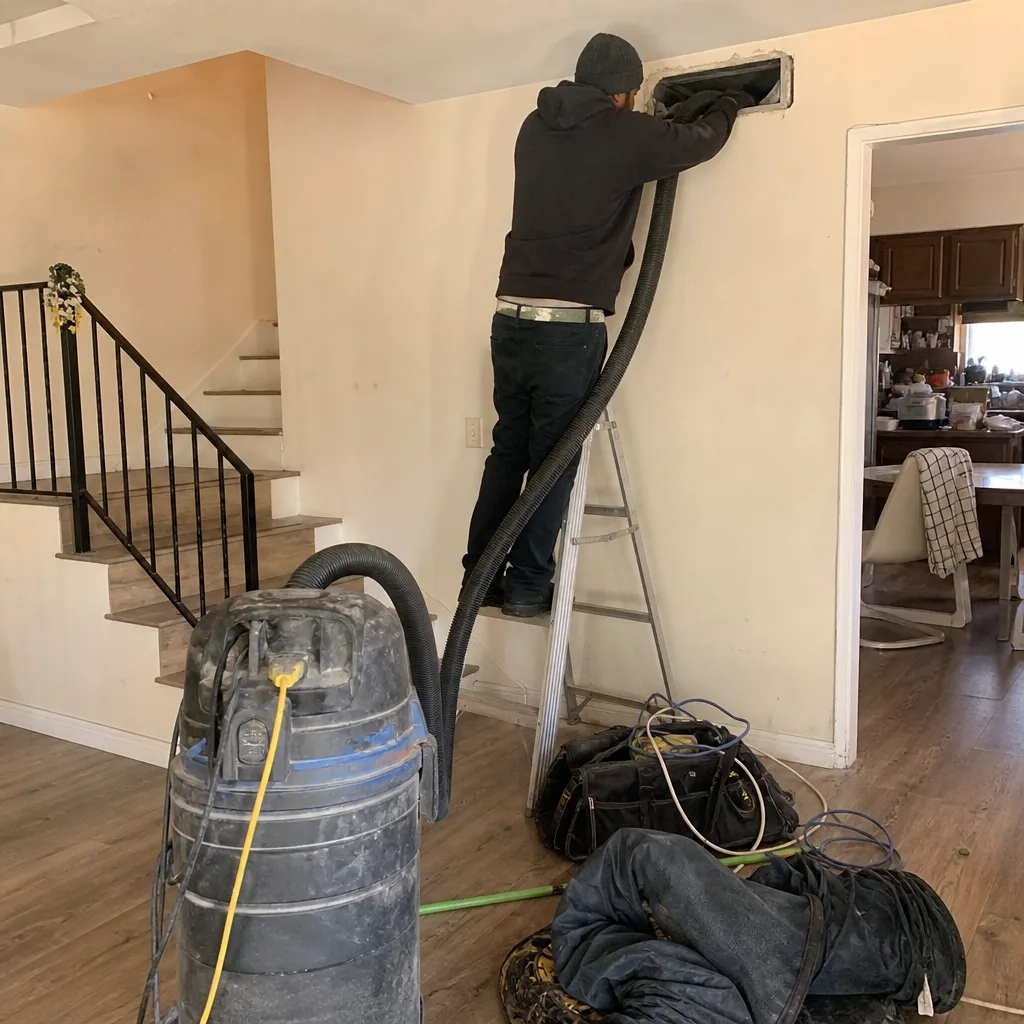 Before
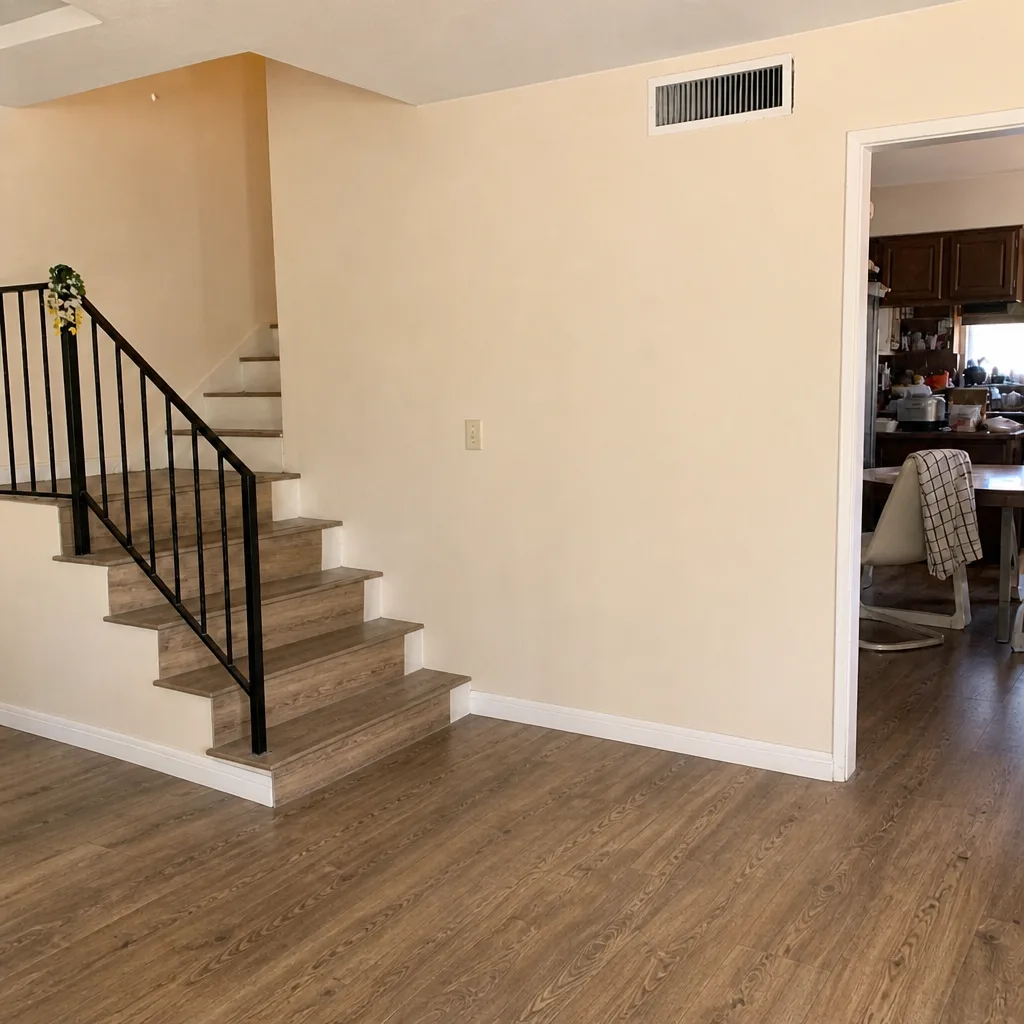 After
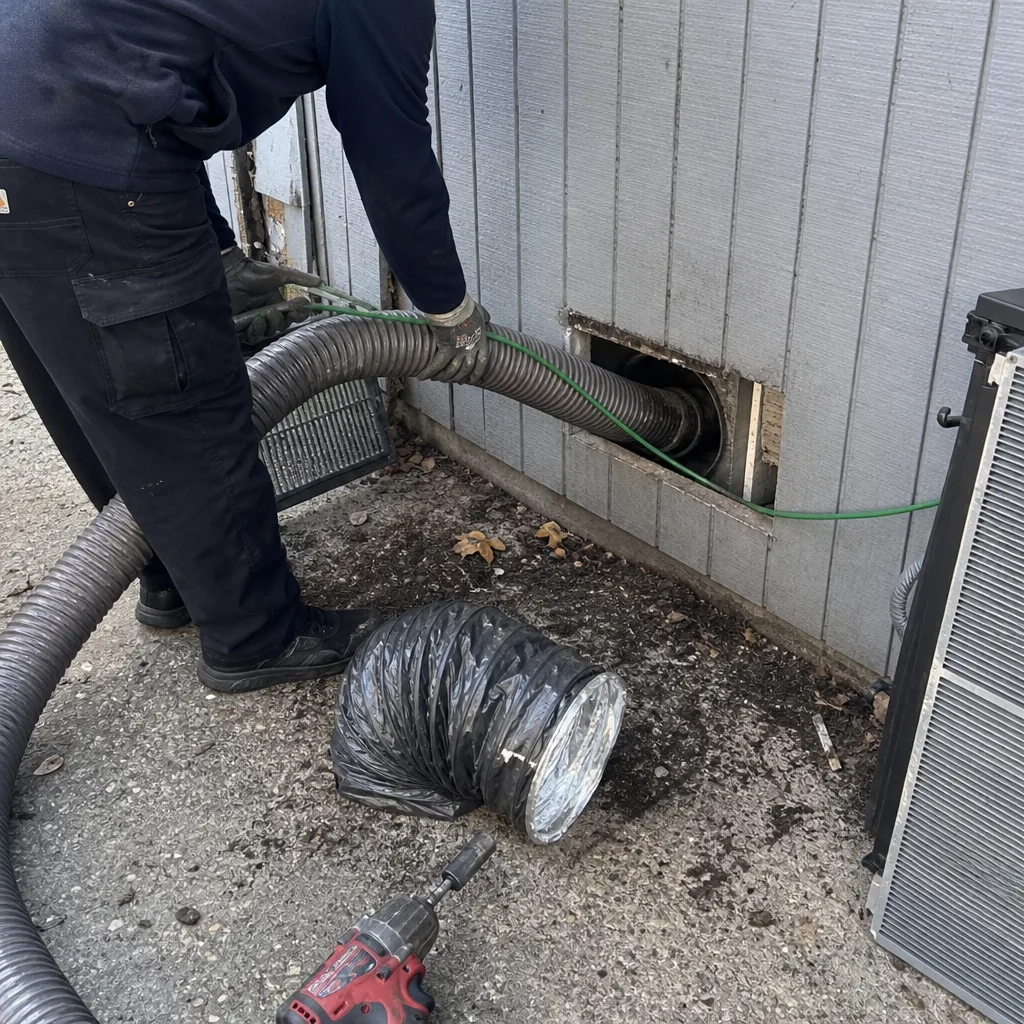 Before
 After
 Before
 After
When to Call a Professional
Some duct situations call for a phone call rather than a DIY check. If you’re seeing musty odors from supply registers that persist after a monthly filter swap, that’s moisture in the system and it needs professional attention. If airflow to one room has dropped noticeably, that usually means a disconnected or collapsed duct run that needs diagnosis and repair. If you’ve recently finished a renovation, or just bought a home whose HVAC history you don’t know, a full professional service is warranted to establish a baseline. And if your dryer vent flapper isn’t opening fully or the dryer is taking twice as long to dry a load, that’s a fire-safety call you should make today. We offer free duct cleaning and repair estimates in Daly City – call (833) 958-9532.
We answer 24/7. Fast dispatch from 7am to 7pm, Sunday through Friday. Scheduling a full air duct maintenance visit is easiest through Duct Cleaning Daly City’s main line, and the written estimate sets the price before any work begins.
Frequently Asked Questions
Clean air ducts every three to five years in normal conditions, test seal integrity every two years, and inspect visible duct runs annually. In Daly City, move the professional cleaning to May to beat the fog-belt moisture season. The written estimate for your specific system will confirm which interval fits your home’s construction age and HVAC equipment.
May is when you can remove accumulated dry-season debris before the June-through-August marine layer raises interior humidity and creates a moisture environment inside duct systems. Cleaning after the fog season has started means fighting moisture that’s already begun colonizing dust on the duct walls. Front-loading the clean removes the food source before the fog arrives.
A duct pressure test measures what percentage of the air leaving your air handler is actually reaching the registers, versus leaking out through joints and disconnects. A calibrated fan pressurizes the system and a gauge uses those readings to calculate the leakage percentage. Anything over 10 to 15 percent indicates meaningful loss worth addressing, and 25 percent or more is a system working significantly harder than it should.
Yes. A new furnace operating on old ductwork is one of the most common causes of premature HVAC equipment failure. The existing ducts may not be sized to handle the new equipment’s airflow requirements. Get a duct capacity audit before the replacement goes in, not after, so the new system isn’t fighting incompatible ducting from day one.
Musty odors from supply registers are the primary sign, especially if the smell persists after a filter swap. Other signs include visible condensation or water staining inside the duct (visible during an inspection), stained exterior insulation on flex duct, and allergy symptoms that get worse inside the home. In Daly City, monthly breathing checks at each supply register during fog season will catch the earliest signs.
Light surface cleaning of the exterior vent flapper is a reasonable homeowner task, but clearing the full length of the duct run requires proper brushes and extraction equipment. A clogged dryer vent is a fire-safety issue: lint build-up blocks airflow and the dryer’s heat has nowhere to go. If the vent run is over ten feet, has multiple bends, or you haven’t had it cleaned in over a year, have it done professionally. We handle dryer vent cleaning as a standard service alongside air duct cleaning and repair.
The Bottom Line
Air duct maintenance works best as three interlocking schedules: cleaning every three to five years, sealing tests every two years, and annual inspections. In Daly City, the fog belt changes the timing. Front-load the professional cleaning into May, before the moisture season, and let the annual inspection catch the slow-moving issues while a targeted repair is still cheap. Every HVAC upgrade resets the whole calendar and requires a duct capacity audit before installation. Keep a written log with dates, findings, and photos – it’s your documentation for resale and insurance, and the record that turns maintenance from guesswork into a schedule you can follow. The consistent thread through all of it: cleaning and repair go together. A clean system behind a leaky set of ducts isn’t actually clean.
Contact Us for a Free Estimate
Whether you’re setting up your first duct maintenance calendar or you’ve just inherited a home with an unknown HVAC history, the place to start is a proper inspection. Duct Cleaning Daly City offers a free estimate that covers a full system inspection, a written report of what we find, and a written price for any work before it starts – no per-vent pricing, no bait-and-switch quotes. We use professional-grade equipment on every job: Rotobrush rotary-brush systems for mechanical agitation, Nikro commercial vacuum extraction, and Abatement Technologies HEPA-level containment to keep fine particulate inside the vacuum rather than your living space. We also work with Honeywell and Aprilaire air-quality systems for filtration upgrades. Call (833) 958-9532 for your free estimate today.
We answer 24/7. Fast dispatch from 7am to 7pm, Sunday through Friday.
Written by the team at Duct Cleaning Daly City.