
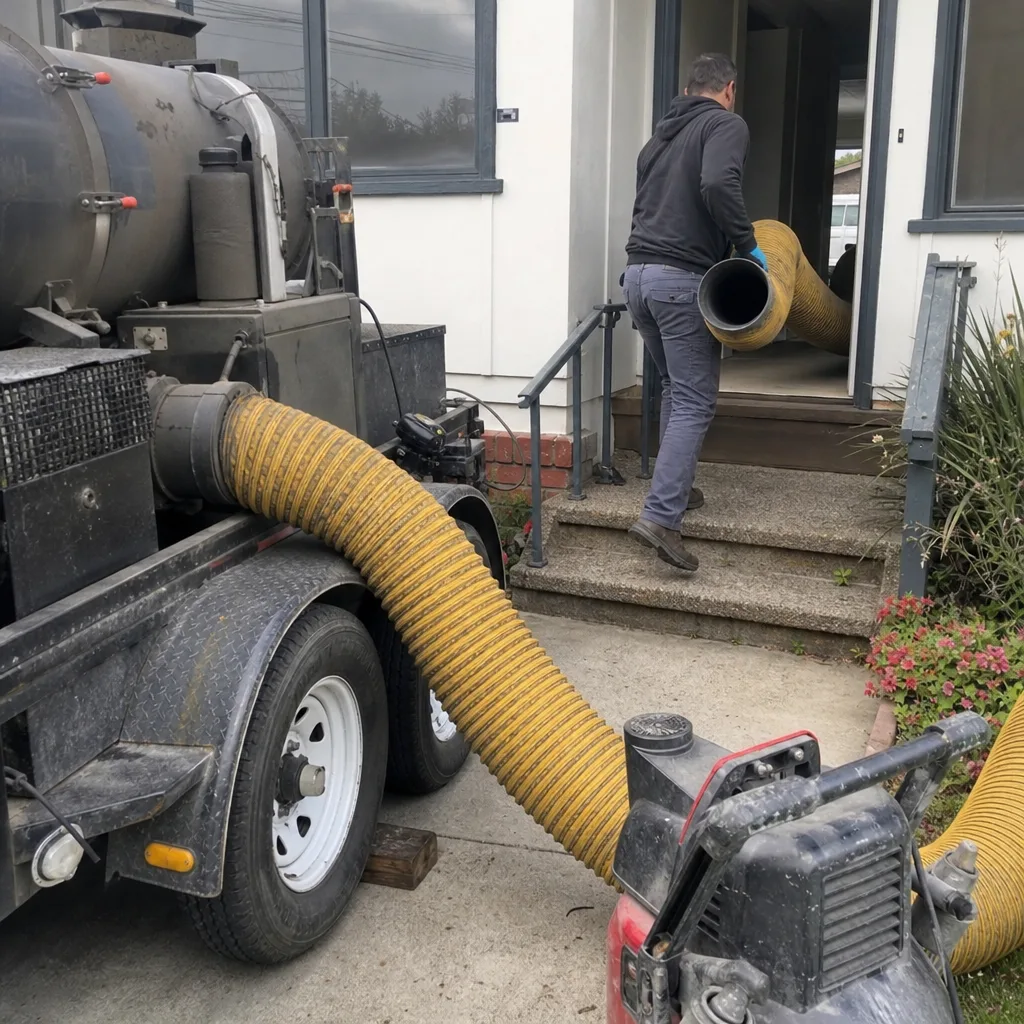
Last updated November 16, 2026
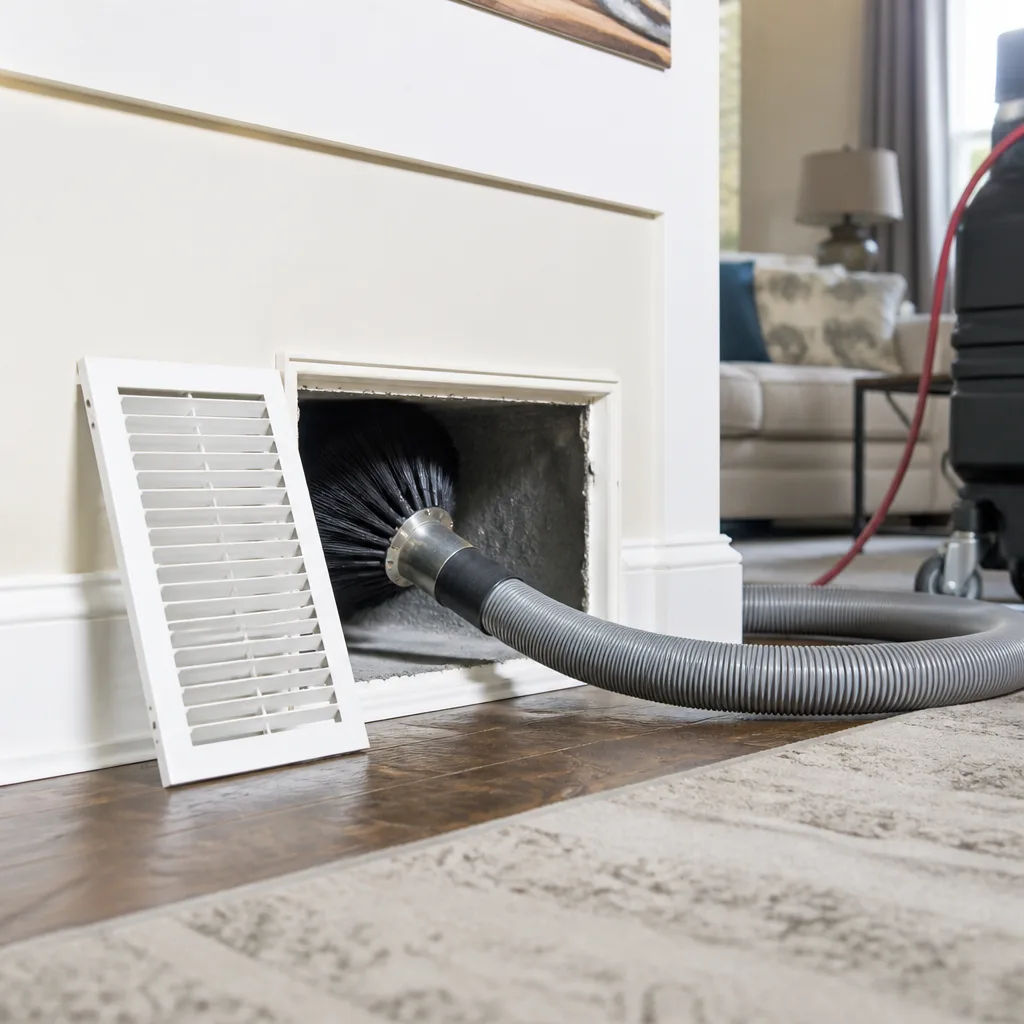 Whole-home duct cleaning
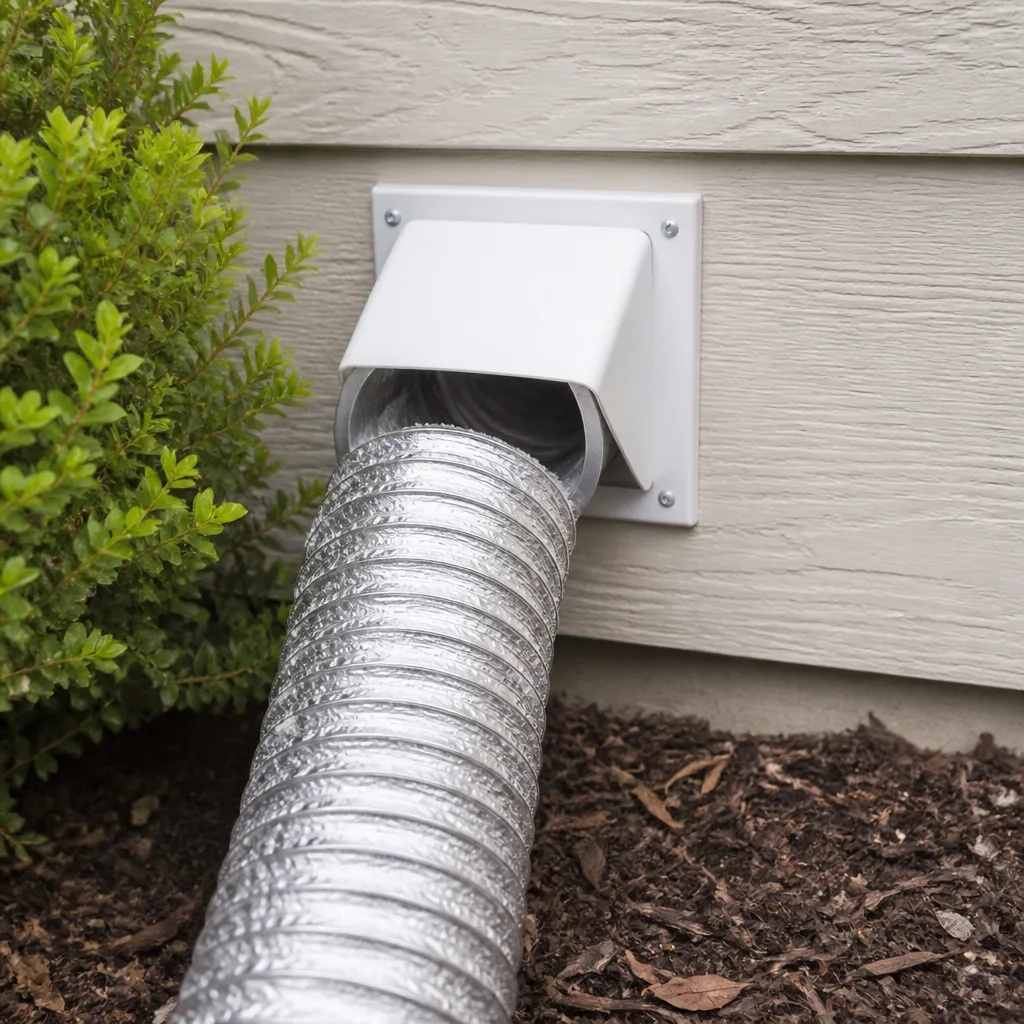 Dryer vent cleaning
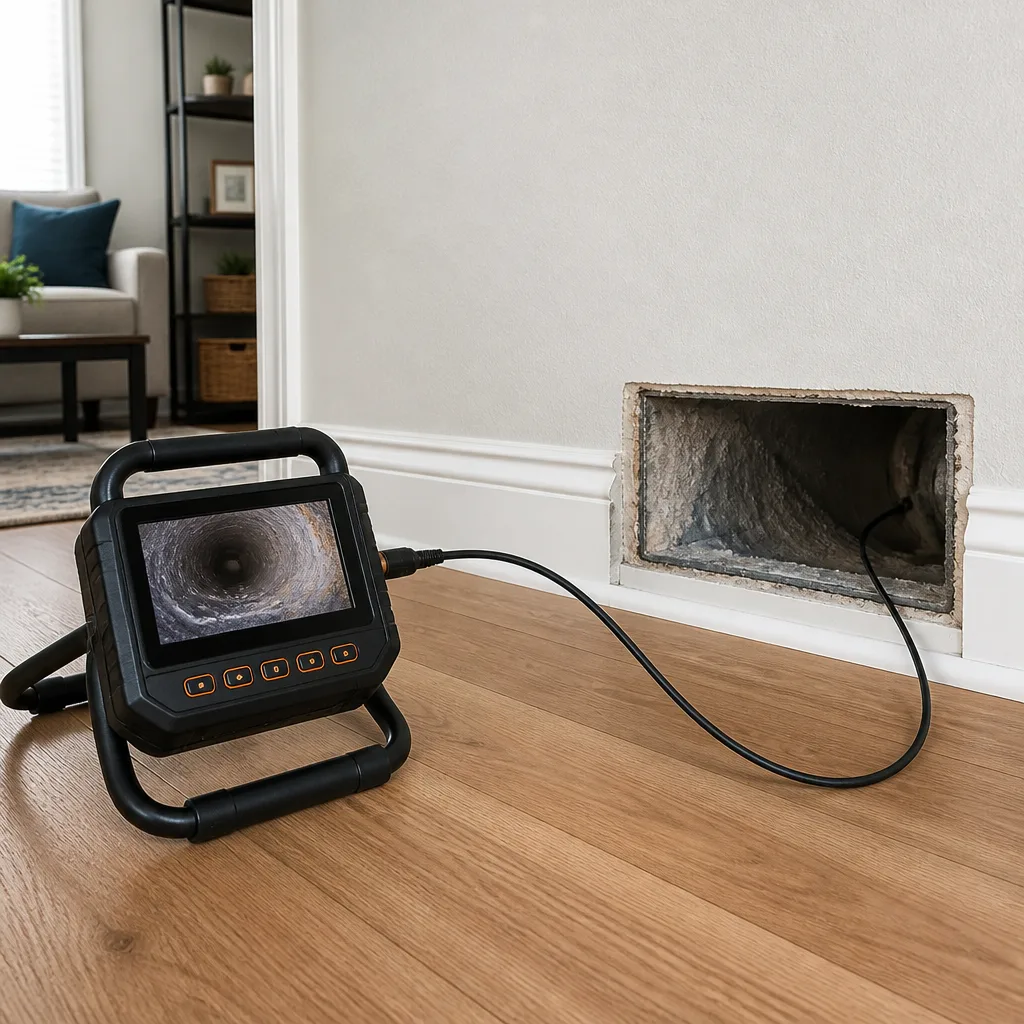 Camera inspection
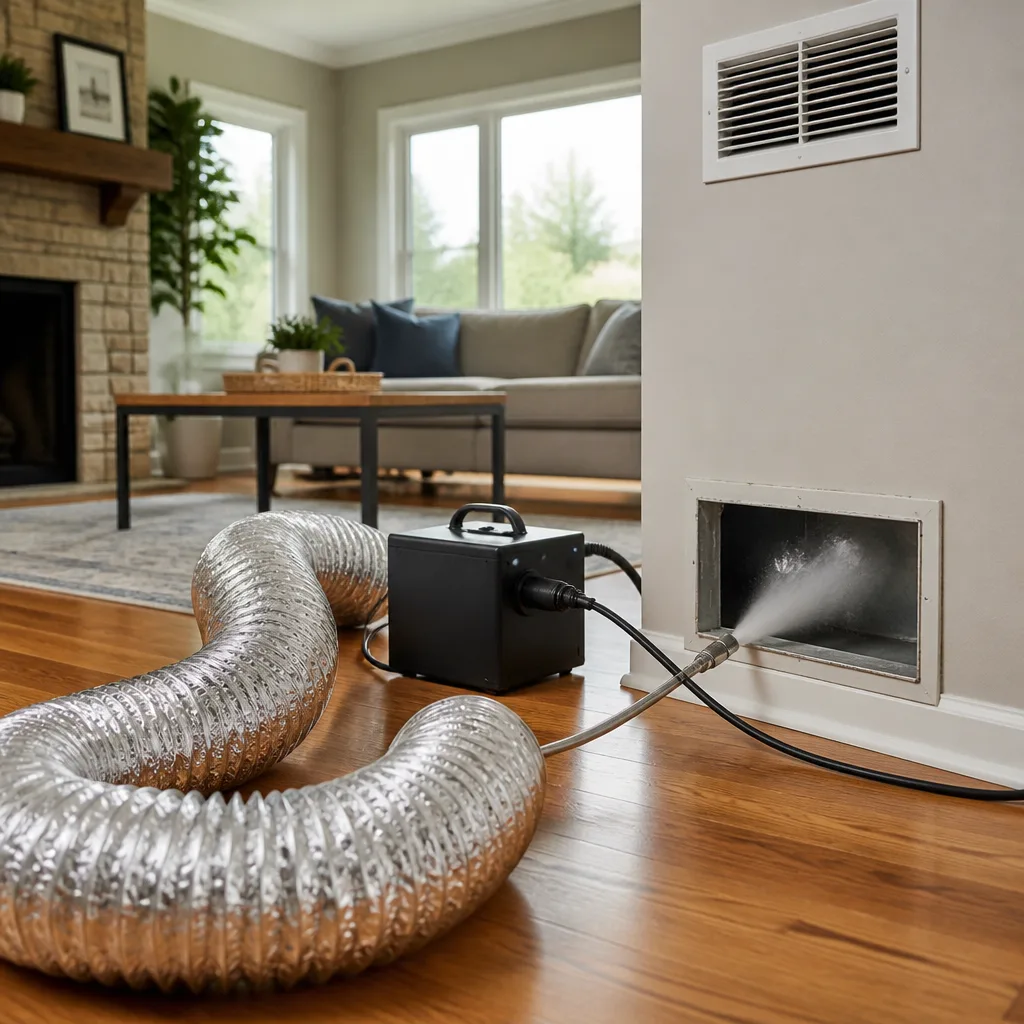 Sanitizing & deodorizing
Whole-system duct and dryer vent check with before-and-after photos - you see exactly what came out of your vents
That "$99 whole-house special" is a bait ad - the real number appears once they are in your hallway, or the "clean" is a shop-vac at the register. We photograph the inside of your ducts before and after instead.
Air Duct Cleaning Warning Signs: A Daly City Homeowner’s Reference Guide
Most homeowners assume that a room running hot means the furnace is dying, or that a stale smell means the house needs a deep cleaning. That instinct sends people to replace thermostats, pay for refrigerant recharges, or buy standalone air purifiers before anyone has looked inside the duct system. In our experience, a good share of these “equipment” problems trace back to the ductwork itself: a collapsed flex run, a joint that pulled apart behind drywall, debris shedding off an old trunk line. This guide maps the visible and measurable warning signs to the duct causes behind them, so you can describe what’s happening accurately before a technician arrives at your Daly City home.
Quick Answer
The main warning signs of a dirty or failing duct system are musty odors at the registers, dark dust rings around vent covers, one room that never matches the rest of the house, a filter that turns gray within two weeks, and visible debris in the return grille or on the register boots. If you see mold, pest droppings, or soot inside a duct, treat it as urgent and schedule service within the week rather than waiting for a routine appointment.
Styles & brands we work with
- Whole-home duct cleaning
- Dryer vent cleaning
- Camera inspection
- Sanitizing & deodorizing
Table of Contents
- Mapping the Symptom to the Duct Cause
- What Dust Rings Around Registers Actually Mean
- Telling a Dirty-Duct Smell From Mold and From Pests
- The Two-Week Filter Test
- What You Can Safely Check Yourself
- Urgent Action vs. Scheduled Maintenance
- Why Daly City Homes Show These Signs Differently
- Cleaning Fixes Dirt; Repair Fixes Airflow
Mapping the Symptom to the Duct Cause
Uneven temperatures are the single most common complaint HVAC technicians investigate, and in our experience a large share of them come down to a duct problem rather than a failing unit. The house isn’t under-heated or over-cooled; the air is simply going somewhere other than the room. A collapsed flex duct section, a disconnected collar at a plenum, or a run that was never properly sealed will dump conditioned air into a wall cavity or attic space, and the room at the end of that run pays the price.
What makes this hard to diagnose from the living room is that the symptoms overlap with equipment failures. Here’s how to tell them apart before you spend money on the wrong fix:
- One room off-temperature, the rest fine: almost always a duct run problem. A whole-house equipment failure affects every room at once.
- Whole house feels stuffy, no single room stands out: more likely restricted return air, a loaded filter, or debris in the main trunk.
- Room is cold in winter but fine in summer (or the reverse): often a duct that runs through an unconditioned space and has lost insulation or come apart at a joint.
- Airflow at one register noticeably weaker than others: a crushed flex line, a closed damper, or a disconnected boot.
- System runs longer but the house still won’t reach setpoint: the equipment is doing more work because a share of the air isn’t arriving. That’s a duct or envelope problem before it’s a refrigerant problem.
The practical takeaway: before you authorize a repair on the equipment side, get the ducts inspected. If a flex run has come apart, no amount of refrigerant will fix the room that’s two degrees cold. If you’re ready to have someone look at it properly, air duct cleaning starts with that inspection and tells you what’s actually happening inside the system.
What Dust Rings Around Registers Actually Mean
Those dark halos that form on the wall or ceiling around a supply register are not just cosmetic. They’re the visible edge of a particle stream. When a register is dusty on the inside, air passing through it picks up debris and flings it against the surrounding surface at speed, and the particles that stick leave a ring. A clean, well-sealed register doesn’t produce that pattern.
Dust rings point to two things. First, the duct behind the register is carrying debris at a rate higher than normal, which usually means the run has accumulated material from the trunk line. Second, the register boot itself may not be seated tightly, so the air is escaping around the edges and taking dust with it. Both are worth investigating.
The ring itself is a useful measurement. A thin, faint ring suggests a slow accumulation and regular filter loading. A dark, thick, well-defined ring with a visible dark band inside the grille is a sign of a heavier load, often in homes where the return grille hasn’t been opened in years or where the filter is the wrong size and air is bypassing it. In Daly City homes with older forced-air systems, we see this pattern most in the rooms closest to the furnace, which is where the trunk line tends to dump the most debris. If you’re seeing rings in multiple rooms, that’s not a coincidence and not a surface-prep problem. The ducts are shedding.
Telling a Dirty-Duct Smell From Mold and From Pests
Not every smell points to the same fix. Because the remediation path is different for each, it’s worth knowing how to describe what you’re smelling, and when. Here’s how to distinguish the three most common duct odors:
- Dirty-duct smell: musty, dusty, paper-like, or faintly like an old basement. It’s strongest in the first few minutes after the blower starts and fades as the system runs. The source is accumulated dust and debris being stirred up by airflow.
- Mold smell: sharp, earthy, and persistent. It doesn’t fade when the blower runs and often gets stronger in humid weather. Look for moisture first, not just dust. The source is usually active growth on wet insulation or on the evaporator coil inside the air handler, and the duct is simply carrying the smell to you.
- Pest intrusion smell: sharper still, sometimes sour or acrid, occasionally with a distinct animal note. Paired with scratching, droppings in the return grille, or a gnawed filter, this is a pest issue before it’s a duct-cleaning issue.
Mold and pest smells both justify prompt action. Active mold in an air handler means every cycle is distributing spores, and pest intrusion means the duct is no longer sealed. A dusty smell is the routine case and can usually be scheduled on normal lead time. If you suspect mold, our recommendation is to have someone physically look at the air handler and coil, not just run a brush through the duct. Equipment matters here: we use Abatement Technologies containment equipment so particulate doesn’t get dispersed into the home while the work is underway, which matters more when the problem is biological.
The Two-Week Filter Test
A fresh filter that turns visibly gray within two weeks is telling you something specific: something upstream in the duct system is shedding debris at an abnormal rate. A filter should last a month or more in normal residential use. Two weeks to visible loading means the dust is being delivered from inside the system, not just from walking around the house.
The likely causes, roughly in order of frequency:
- Heavy accumulation in the return plenum or a section of trunk line feeding it.
- A filter that’s undersized for the return grille, so air bypasses the filter and the visible gray is being driven by flow that never hit the media.
- Loose debris from construction, a recent renovation, or a long-abandoned return that was never capped.
- Pest activity depositing material inside the return.
What to do first: confirm the filter is the right size for the grille and seated without gaps. If it is, note the exact time to visible loading and use that as the baseline. Then have a technician inspect the return side and the main trunk. We use Nikro commercial-grade vacuum equipment and Rotobrush rotary-brush systems because a filter test tells you there’s a load, but you need mechanical agitation and extraction to pull the load out, not just airflow. If you’re seeing the two-week pattern in a Daly City home with a return grille in the hall ceiling, that’s the spot to look first. Call (833) 958-9532 for a free estimate once you’ve documented the pattern.
What You Can Safely Check Yourself
Some inspection points are safe for homeowners to look at. Others are not, and the line matters for your safety, not just your time. Here’s what you can check without tools and without risk:
- The return air grille: remove it with a screwdriver and look at the interior surface. A light coating of dust is normal. A visible mat of debris, hair, or a dark band is not.
- The register boot: with the register cover off, look at where the metal boot meets the drywall. Gaps, sagging, or visible dark staining at the edges point to airflow leaks and possible moisture.
- Visible flex duct in an accessible attic or crawlspace: you can look, but don’t crawl through insulation or disturb any ductwork you can’t see fully. Look for crushed, kinked, sagging, or disconnected sections. Flex duct should run fairly straight and taut between supports.
- Around the air handler: with power off, look for standing water, visible rust, or staining in the drip pan and around the cabinet. Don’t open the cabinet itself.
What not to inspect yourself: the inside of the plenum, anything behind the air handler panels, and any duct section you’d have to physically crawl to. High-efficiency equipment and electrical connections inside the air handler are not a homeowner inspection area. If the flex duct in your crawlspace looks crushed or disconnected, don’t try to reseat it. Have that fixed by someone with the right tools, because a badly reseated flex duct can leak worse than the original problem.
Urgent Action vs. Scheduled Maintenance
Most warning signs deserve a scheduled appointment, not a same-day call. But a few conditions move from routine to urgent, and the distinction is worth knowing:
Schedule this week, not next month:
- Visible mold growth on duct lining, register boots, or the coil area.
- Pest evidence inside the duct: droppings, nesting material, gnawed insulation, or the smell described earlier.
- Smoke or soot residue from a fire, even a small kitchen fire, because soot particles remain suspended and recirculate.
- A disconnected duct in an unconditioned space, which will pump conditioned air into the attic or crawlspace and potentially pull outdoor moisture into the building.
Schedule on normal lead time:
- Dust rings around registers with no smell and no visible mold.
- One room off-temperature with a working filter and no visible duct damage.
- A filter loading faster than expected but not visibly within days.
- General stale smell that fades after the blower runs.
We answer 24/7, so if you’re unsure which category your situation falls into, a call is the fastest way to sort it. Fast dispatch from 7am to 7pm, Sunday through Friday. For the fire-safety side of the system, dryer vent cleaning is separate from the duct system but belongs on the same maintenance schedule.
Why Daly City Homes Show These Signs Differently
Daly City sits in a mild, humid band along the Peninsula. Winters are gentle here, so the heating system runs less than it might inland, which means duct debris accumulates more slowly but the moisture environment is less forgiving. Damp air and older duct insulation don’t mix well, and homes in neighborhoods like Westlake, Serramonte, and the Broadmoor area often have forced-air systems installed decades ago with flex duct runs that were never designed for today’s longer cooling seasons.
The practical implication: a Daly City home can show dust rings and a faint musty smell without a single dramatic event to point to. The debris loaded up over years, and the humidity kept the smell alive. When we work in Daly City, we treat the moisture question as the priority. A dirty duct that’s dry is a cleaning job. A dirty duct that’s holding damp debris is a mold question first. That’s why we use Abatement Technologies containment equipment on Daly City jobs where moisture is suspected. Controlling particulate during the work prevents re-contamination and keeps the rest of the house out of the equation.
Housing density also matters. Many Daly City properties sit close together, and older homes often have shared attic or crawlspace access points. That makes pest intrusion more likely than in a more spread-out neighborhood. If you’re seeing the pest smell with visible droppings in the return, it’s worth having the duct inspected alongside the pest issue, not after.
Cleaning Fixes Dirt; Repair Fixes Airflow
A common assumption is that cleaning is always the answer. Cleaning is the right answer for dirt. It’s the wrong answer for a duct run that’s collapsed, disconnected, or crushed, and this is where a lot of homeowner frustration comes from. Cleaning a broken duct makes it a clean broken duct. The room still won’t heat. The filter still loads fast. The system still runs longer than it should.
Warning signs that point to repair rather than cleaning:
- One room consistently off-temperature while the rest of the house is fine.
- Visible disconnected or crushed flex duct in an accessible space.
- Weak airflow at one register, normal at others.
- Whistling or rattling at a specific register when the system runs.
- Visible gaps at the boot-to-drywall joint that were never sealed.
We offer air duct repair as a core service alongside cleaning because the two problems are often in the same system at the same time. A house can have both dirty ducts and a disconnected run. Fixing one without the other leaves you with a half-solved problem. If your diagnostic turned up a duct that’s come apart, the repair is what restores the room. For filtration improvements after the duct system is sound, we work with Honeywell and Aprilaire systems to add or upgrade whole-home filtration, which makes more sense once the ducts aren’t shedding debris into the filter. Duct Cleaning Daly City handles all three: cleaning, repair, and dryer vent work. A free estimate is the fastest way to know which one applies.
Common Mistakes to Avoid
- Replacing the thermostat before inspecting the ducts. A thermostat that reads the wrong temperature is rare; a duct run that delivers the wrong air is common. Check the ducts first and save the thermostat money.
- Buying a standalone air purifier to fix a duct problem. A portable purifier cleans the air in one room. It does nothing about the debris shedding from the return plenum, which is where the load is coming from.
- Assuming the cheapest quote means the same process. A low quote often means a consumer-grade vacuum and a short pass through the registers. Proper extraction with a rotary brush and commercial vacuum takes longer and produces a different result. Ask what equipment the crew uses before you book.
- Ignoring the musty smell because it fades after the blower runs. That fade pattern is diagnostic, not reassuring. It means the source is being stirred up on cycle, and the moisture question behind it should be answered before it gets worse.
- Skipping the return grille during inspection. Dust rings get the attention, but the return grille is where the load actually sits. If it’s never been opened, that’s the first place to look in a Daly City home.
- Cleaning without repairing the disconnected run. A clean duct system with a collapsed flex line still won’t heat the cold room. The repair is the fix. Cleaning is maintenance.
- Treating the dryer vent as a separate, low-priority item. It’s a fire risk, not a maintenance afterthought. If your dryer is taking longer than it used to, that’s the sign, and it belongs on the same yearly schedule as the ducts.
See the difference
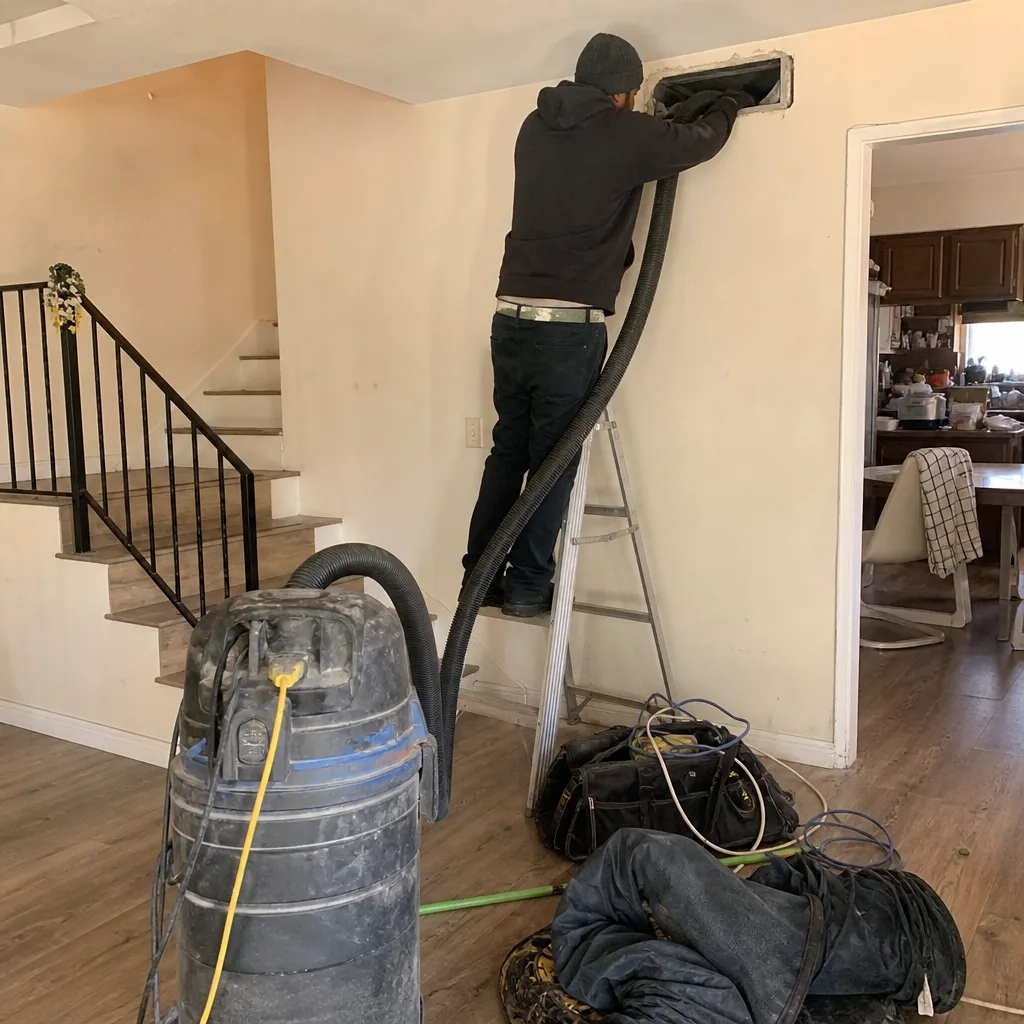 Before
 After
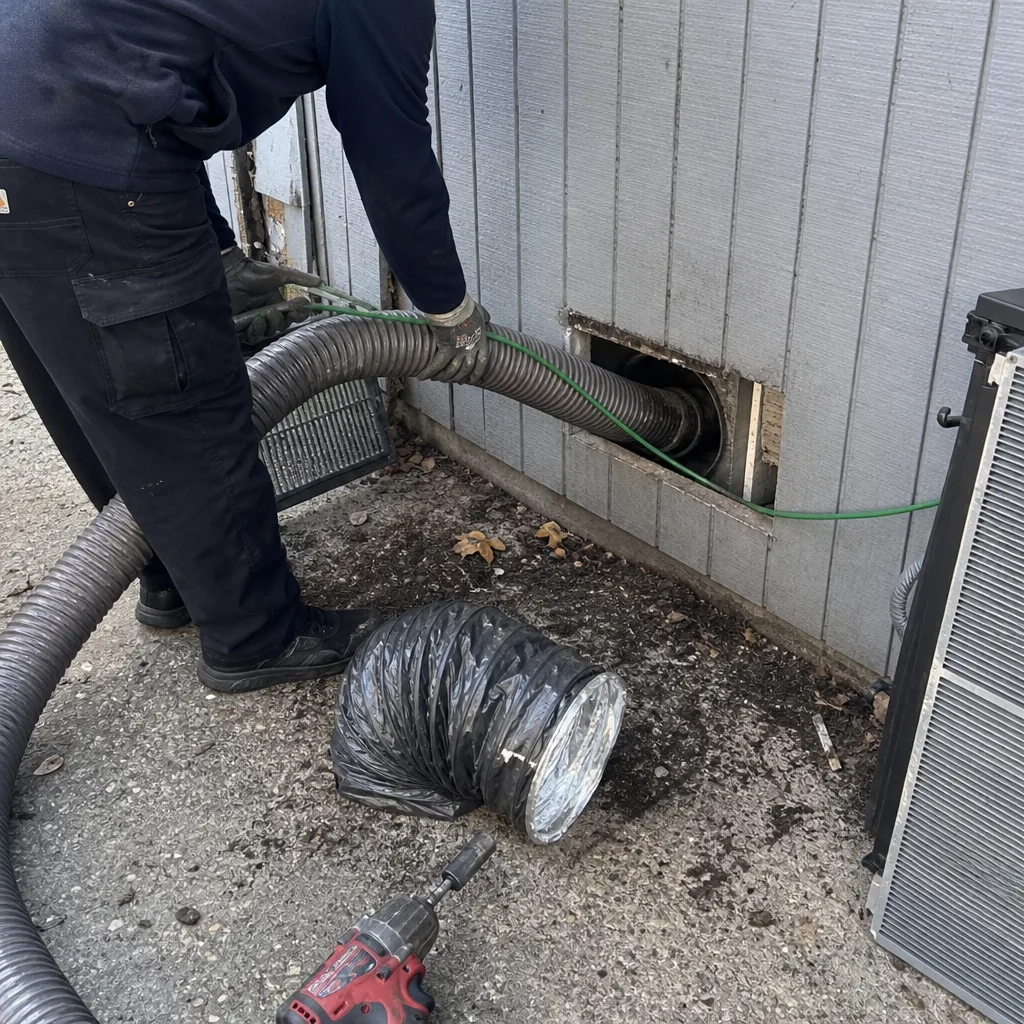 Before
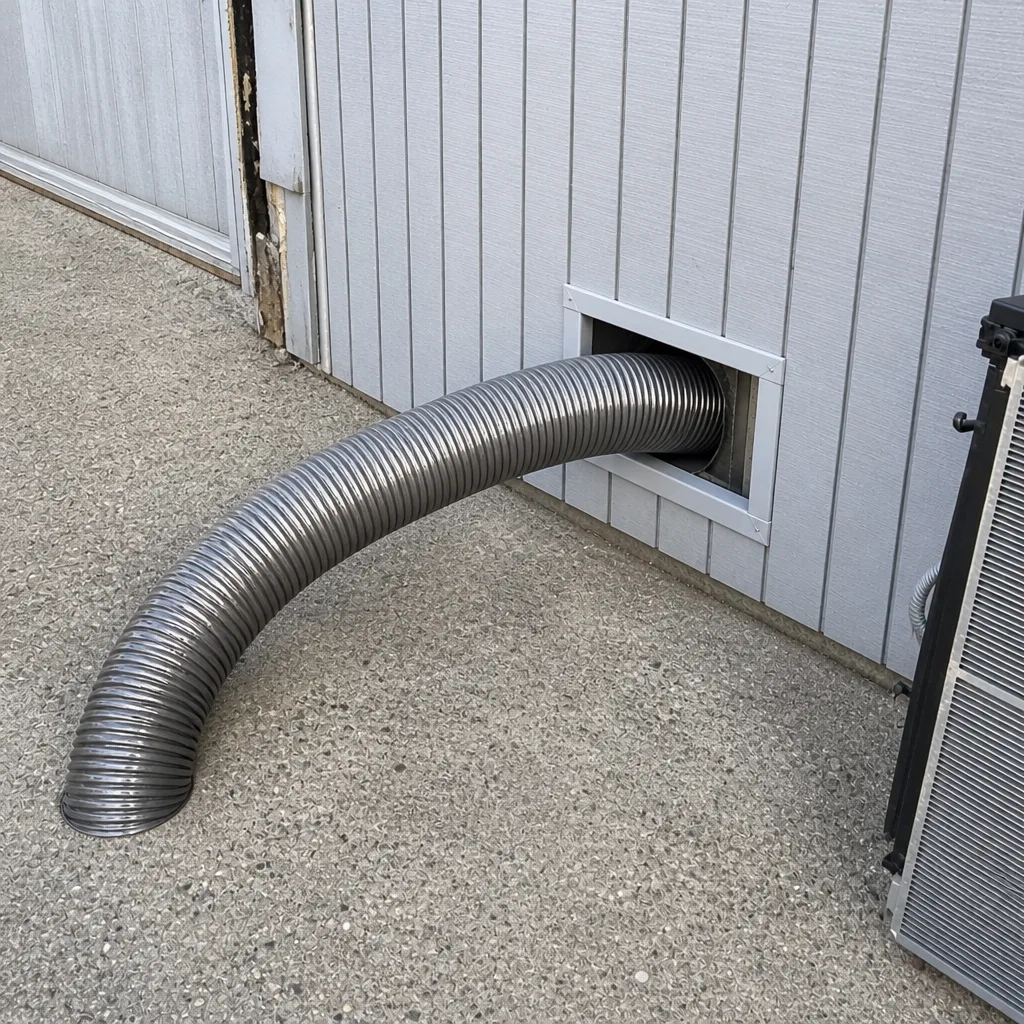 After
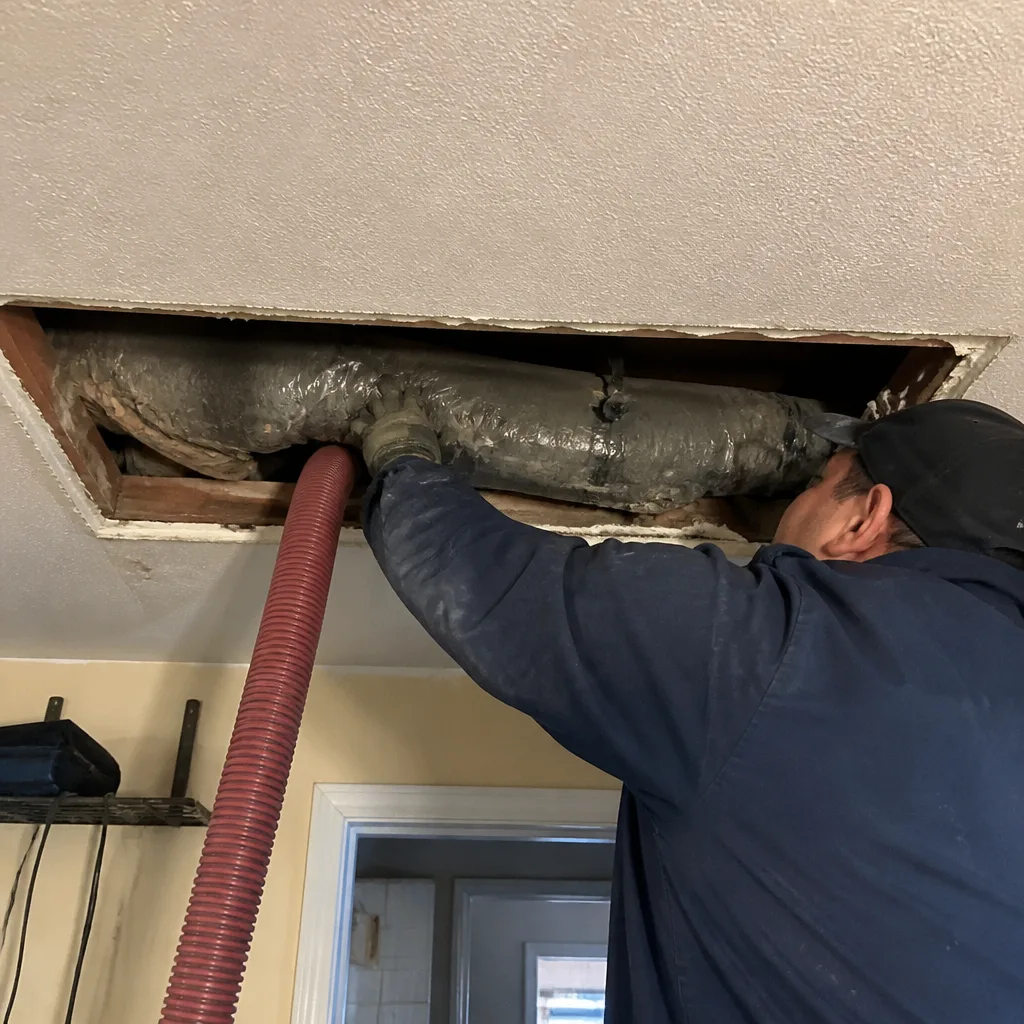 Before
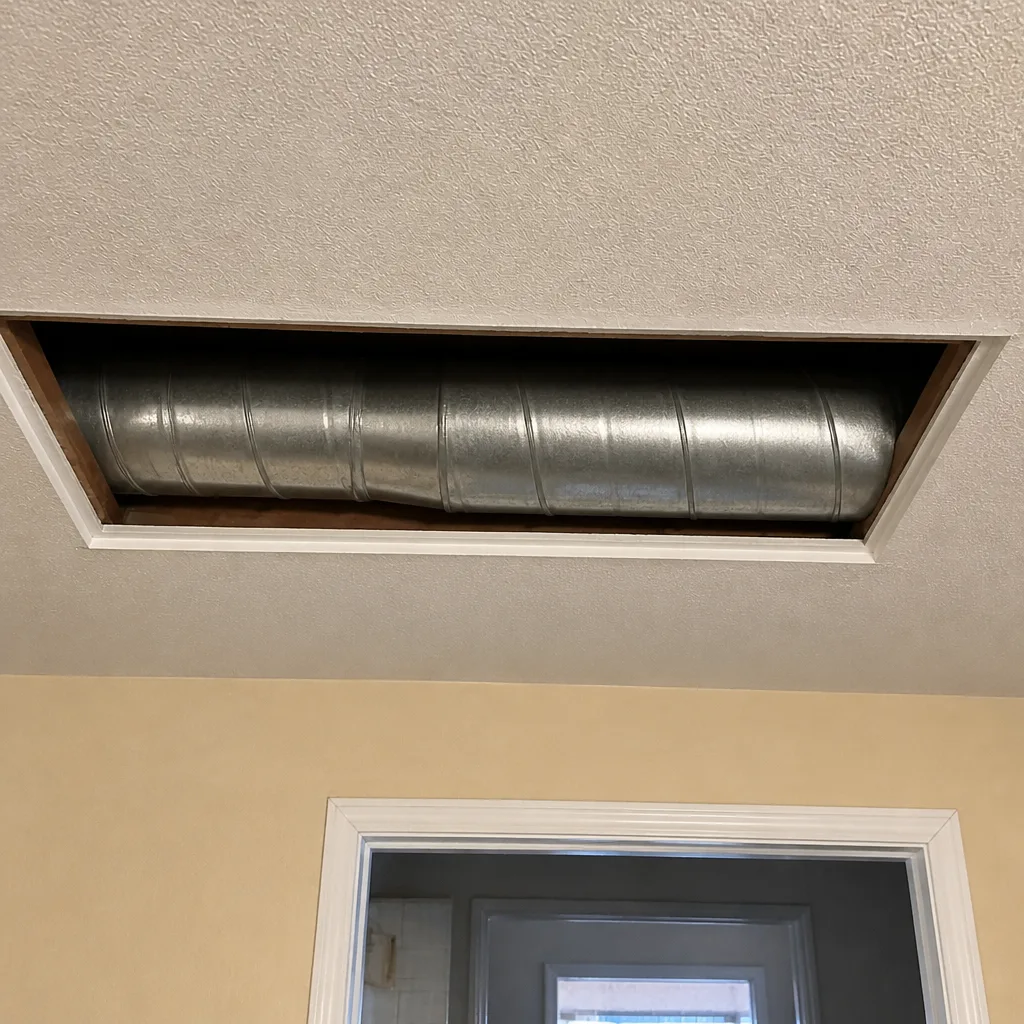 After
When to Call a Professional
Call a professional if you have visible mold, pest evidence, or soot inside a duct, if one room is consistently off-temperature while the rest of the house is fine, if a filter loads visibly within two weeks, or if you’ve seen a crushed or disconnected flex run in an accessible attic or crawlspace. Those signs point to a duct repair or cleaning job that needs mechanical agitation and proper containment, not a shop vac. Duct Cleaning Daly City offers free estimates in Daly City. Call (833) 958-9532. We answer 24/7. Fast dispatch from 7am to 7pm, Sunday through Friday. Our technicians have up to 10 years of experience. If you’re not sure whether your situation is routine or urgent, a call is the fastest way to sort it.
Frequently Asked Questions
You need air duct cleaning if you have dust rings around multiple registers, a faint musty smell when the blower starts, a filter that visibly loads within two weeks, or visible debris in the return grille. Any one of those signs is reason enough for an inspection. In Daly City’s mild, humid climate, the moisture question matters as much as the debris, so an inspection that looks at both is the right starting point.
A dirty-duct smell is dusty or paper-like, strongest in the first few minutes after the blower starts, and it fades as the system runs. A mold smell is sharp and earthy, doesn’t fade, and often gets stronger in humid weather. If the smell doesn’t go away when the system runs, that’s a mold or moisture question and it should be checked this week, not next month.
Usually a duct problem. First check that the filter is the right size for the grille and seated without gaps, because an undersized filter lets air bypass and the visible gray isn’t media loading. If the filter is correctly sized and properly seated, then a two-week load points to debris shedding from the return plenum or the main trunk. Have the return side inspected before you buy more filters.
You can safely remove the return air grille and look at the interior surface. You can look at visible flex duct in an accessible attic or crawlspace without disturbing it. Do not open the air handler cabinet, do not crawl through insulation, and do not try to reseat a disconnected flex duct yourself. If you find damage, call a technician to inspect and repair it properly.
For most homes, every few years is a reasonable interval, but the timing depends on what’s happening in the house. A recent renovation, a newly purchased older home, a pet, or a smoker in the household all move the interval sooner. A home with no warning signs can go longer. The right approach is to check for warning signs yearly, and let the signs set the schedule.
You need duct repair if any room is consistently off-temperature, if airflow at one register is weak, or if you’ve seen a crushed or disconnected flex duct in an accessible space. Those are airflow problems, and cleaning doesn’t fix airflow. Cleaning removes debris; repair restores the duct run. A proper inspection tells you which one you have, and often it’s both.
Cheaper quotes often mean consumer-grade equipment and a short pass through the registers without real mechanical agitation. Proper extraction uses a rotary brush to agitate the debris and a commercial vacuum to pull it out in one pass, and that takes longer. Ask what brand of equipment the crew uses before you book. “It’s worth noting” (removed) – “What brand of vacuum are they bringing? How long will the job actually take?” This separates a real clean from a surface wash.
Ask for before-and-after photos of the specific ducts they cleaned. A crew using a rotary brush and commercial vacuum can capture the inside of the return plenum and the register boots, and you should see a visible difference. Insist on the photos. There is no other honest way to know the load came out, other than opening the register yourself after the crew leaves.
The Bottom Line
The key idea in this guide isn’t that every dirty duct needs immediate service. It’s that the symptoms most homeowners notice (a cold room, a fast-loading filter, a musty smell, dust rings) point more often to the ducts than to the equipment. Before you authorize a thermostat replacement or a refrigerant recharge, have the ducts inspected. The signs are there on the registers if you know how to read them. When you’re ready to have someone look, call (833) 958-9532 for a free estimate. A clean, repaired duct system is a smaller fix than a replacement system, and a smaller fix is the whole point. For a fuller look at what a proper clean involves, visit Duct Cleaning Daly City, and to see how we work in this area specifically, our Daly City service page walks through the process from inspection to finishing.
Written by the team at Duct Cleaning Daly City.